NEWS AND EVENTS
PICKED meets in Tallinn to advance personalised kidney care
21.09.2026
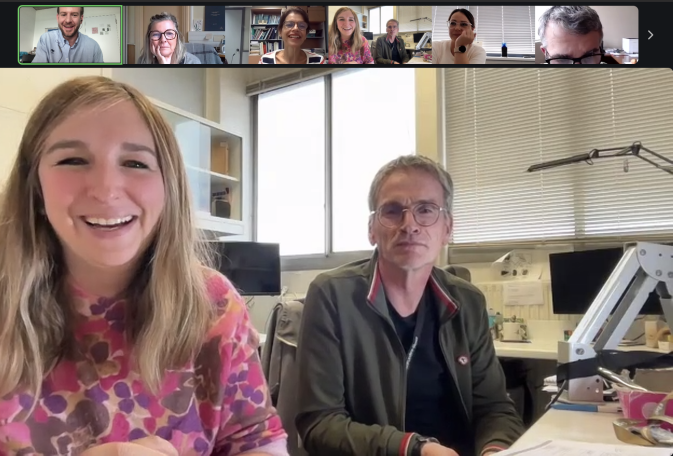
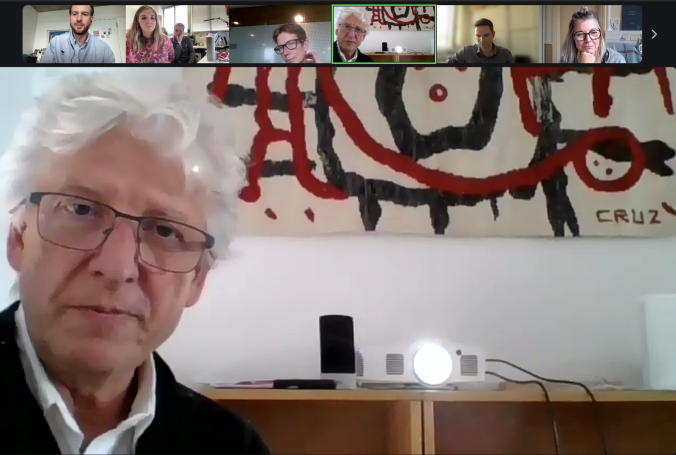
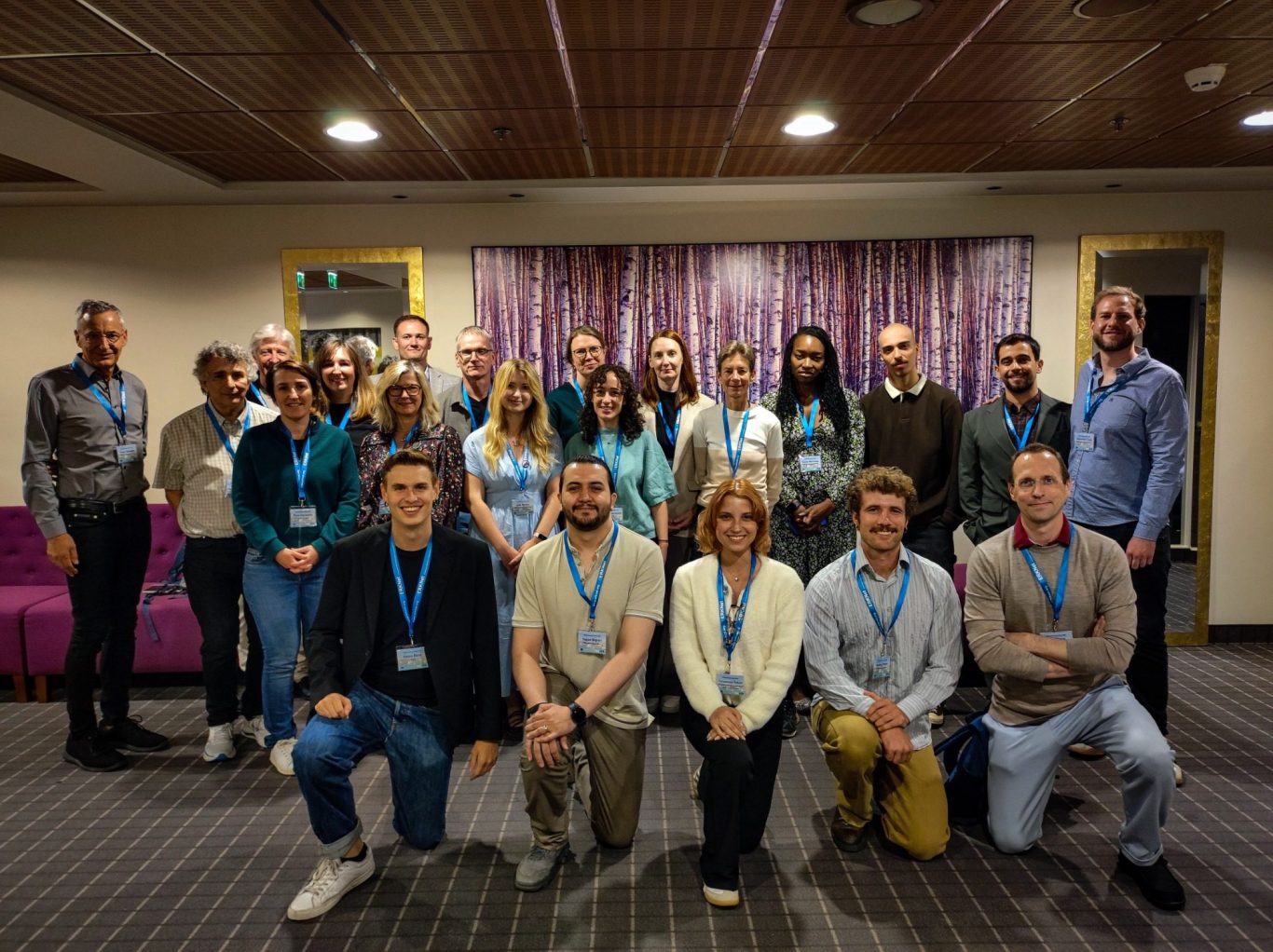
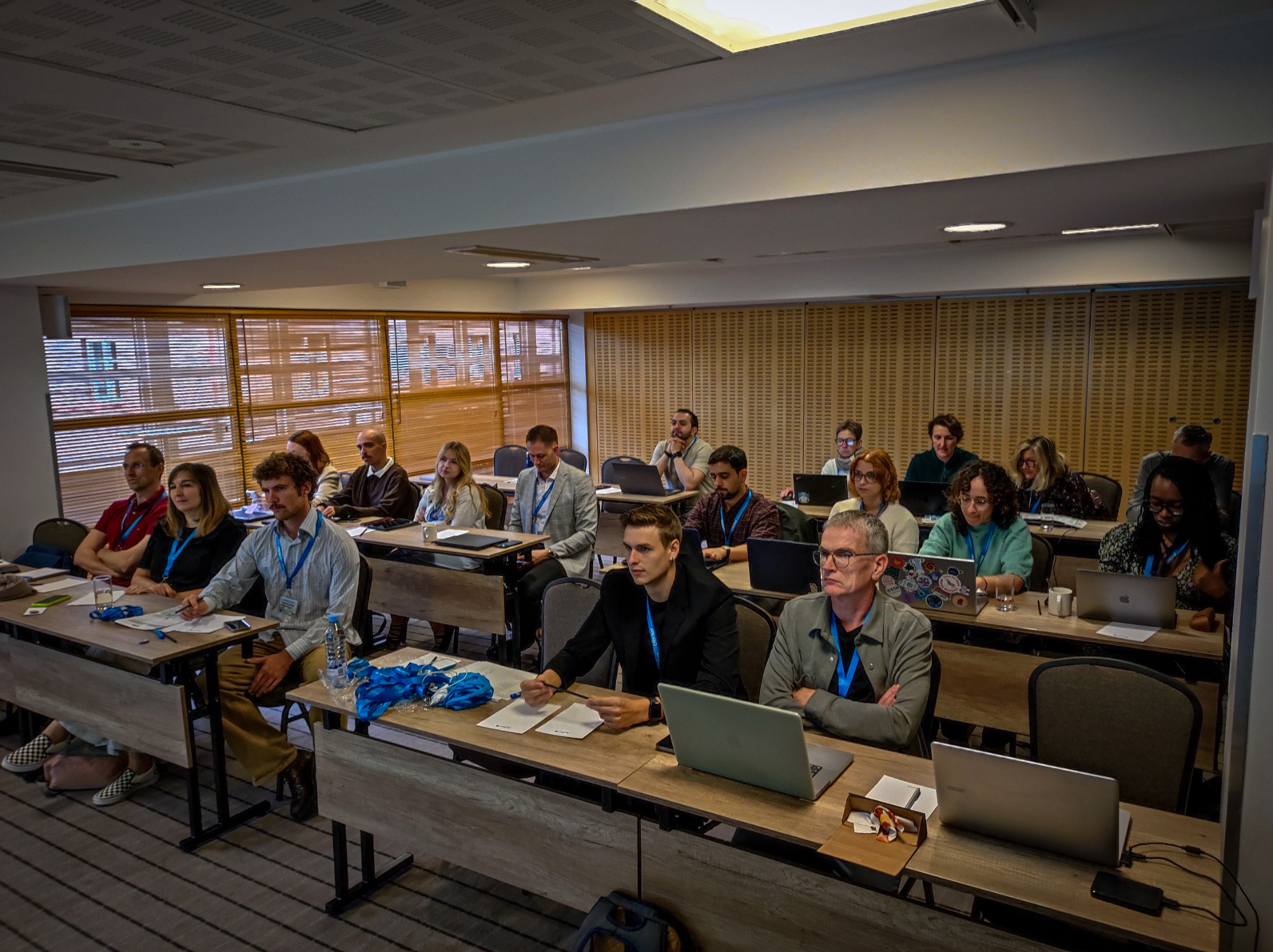
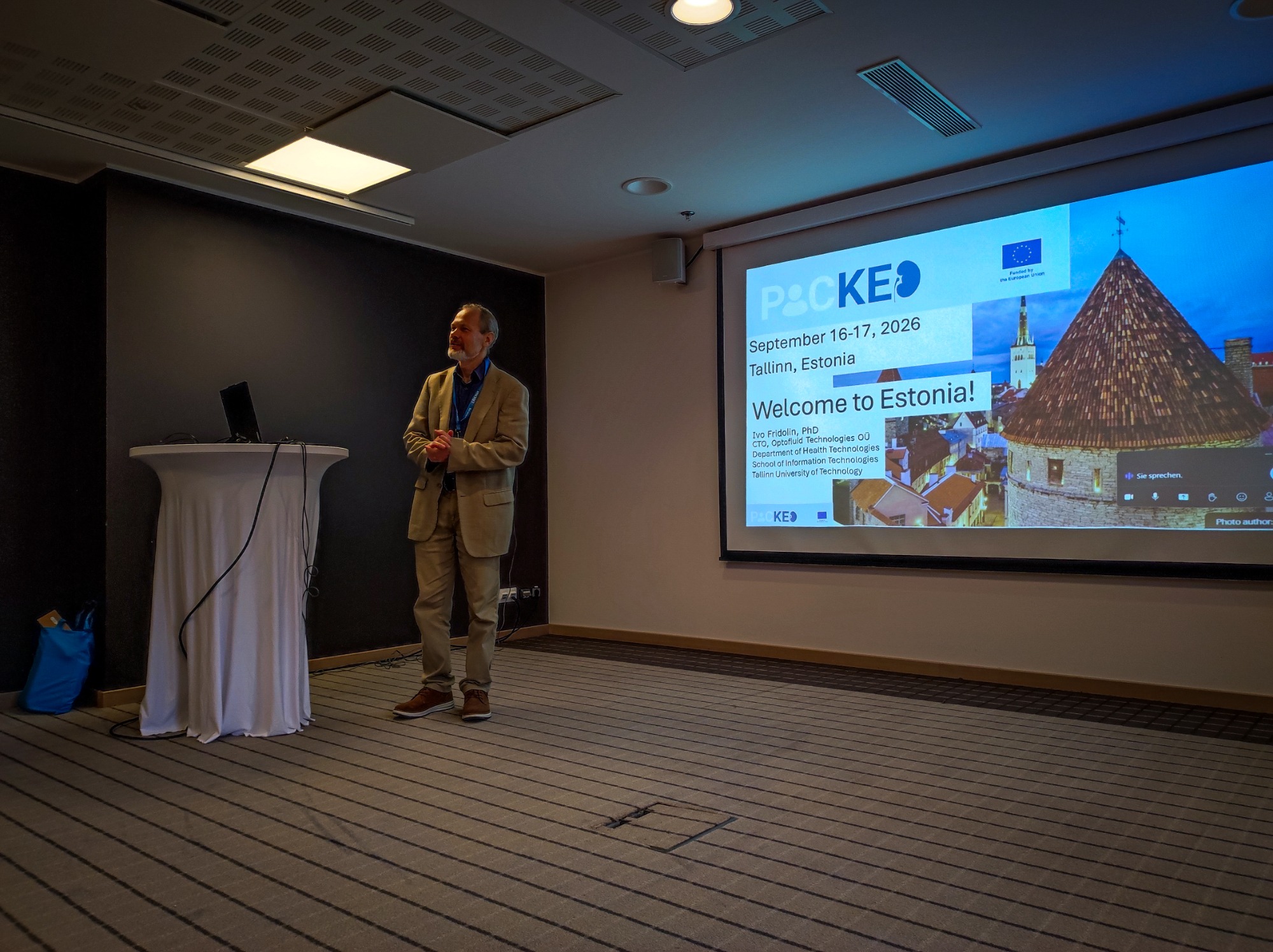
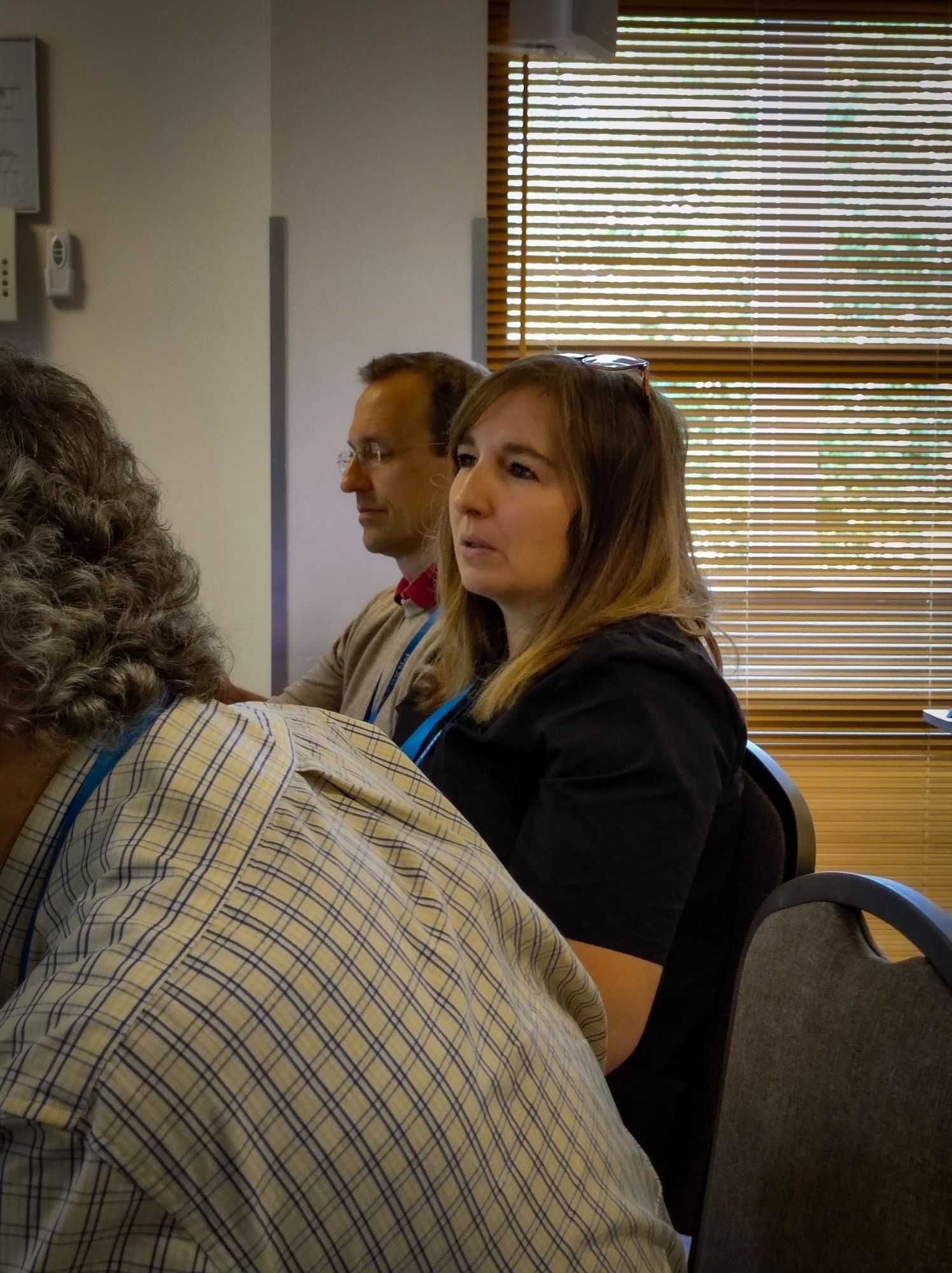
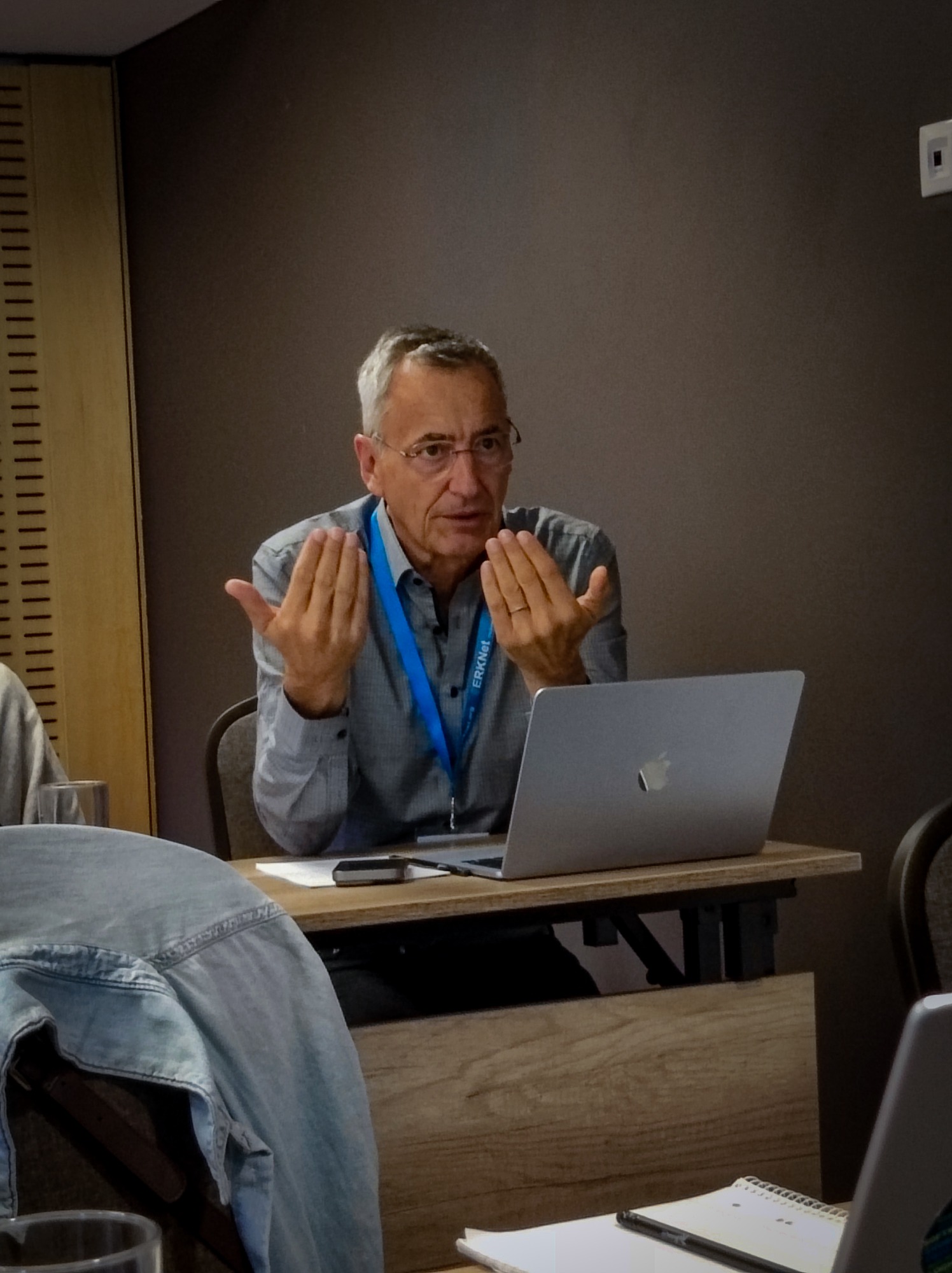
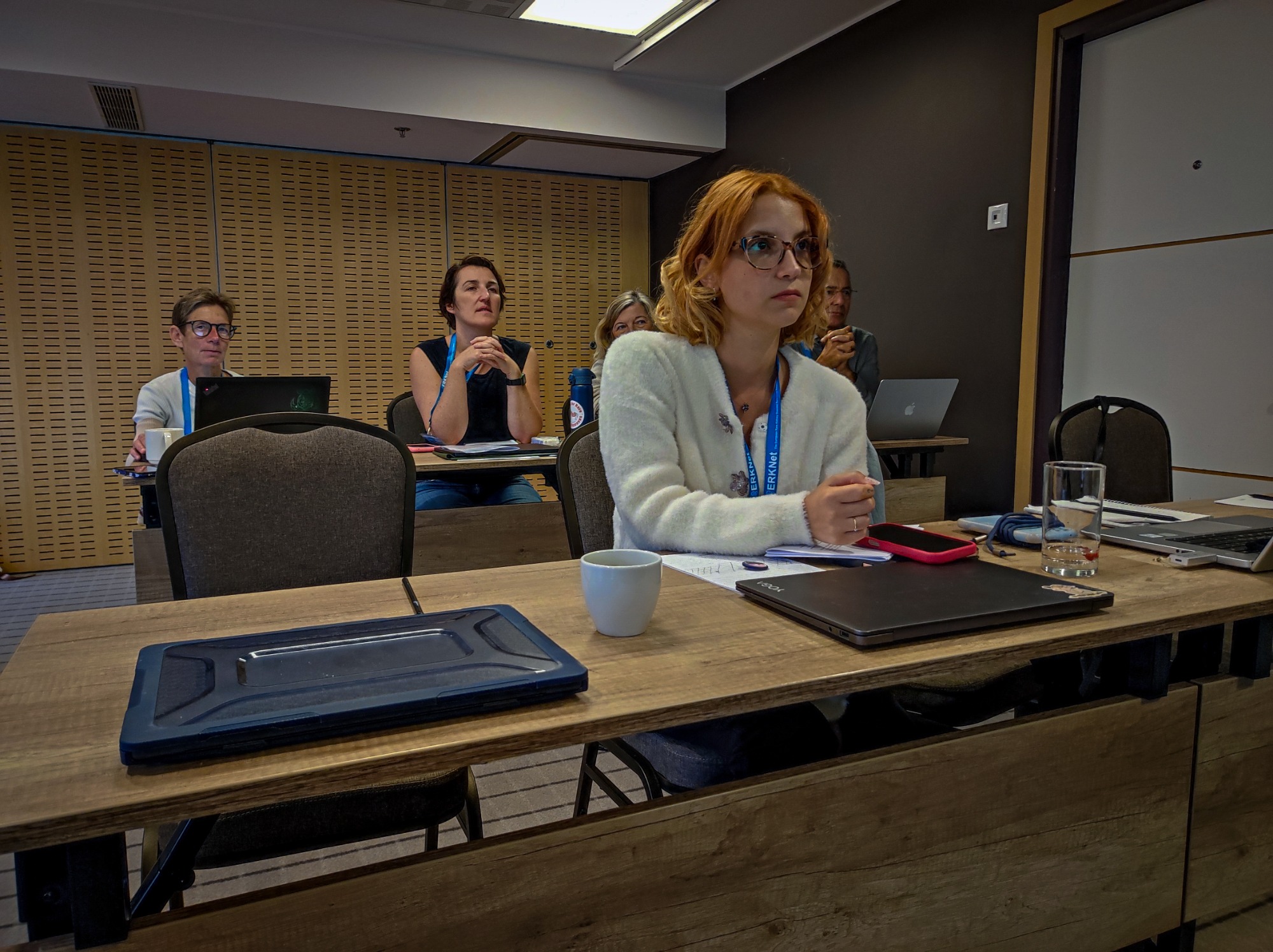
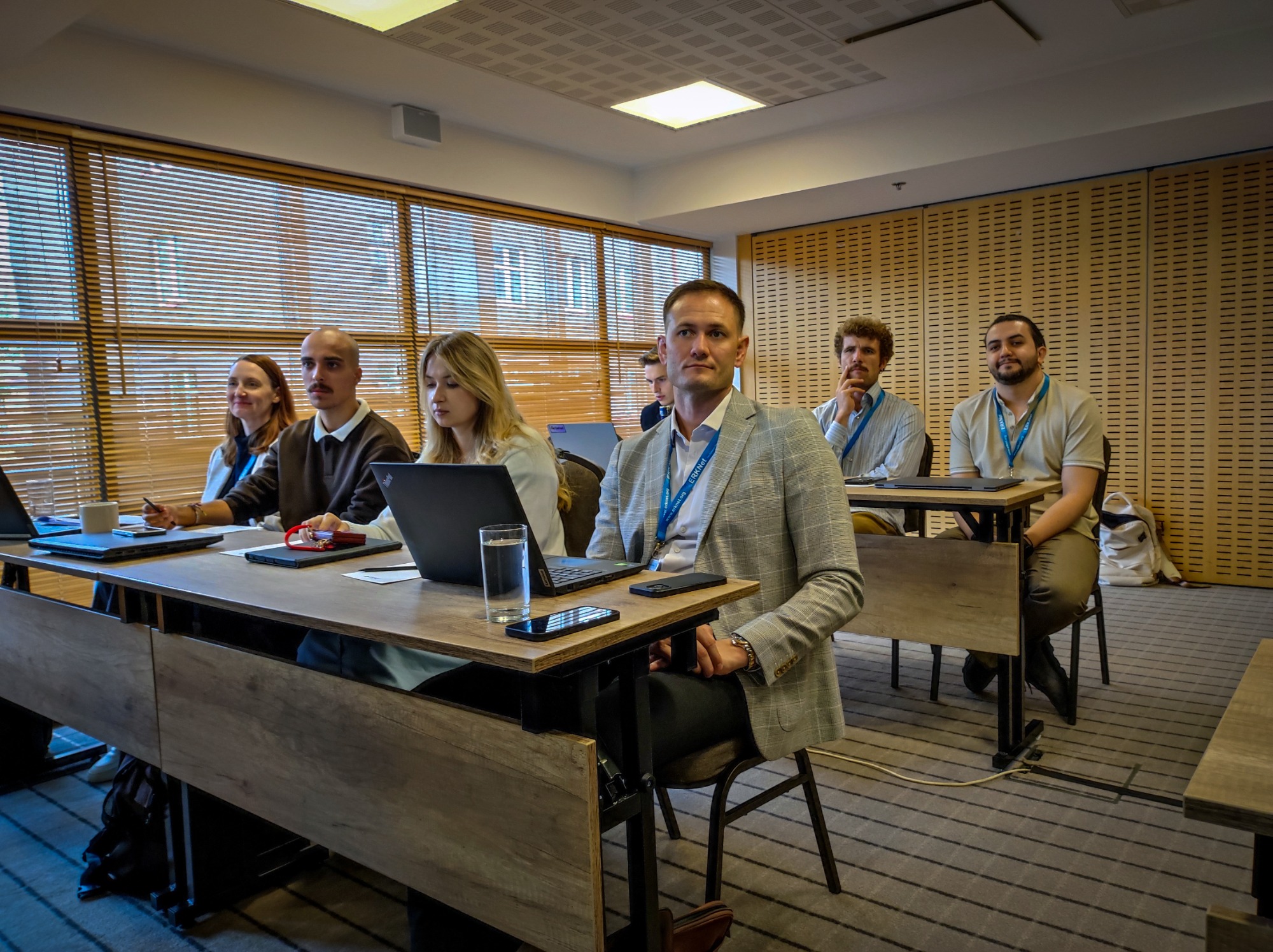
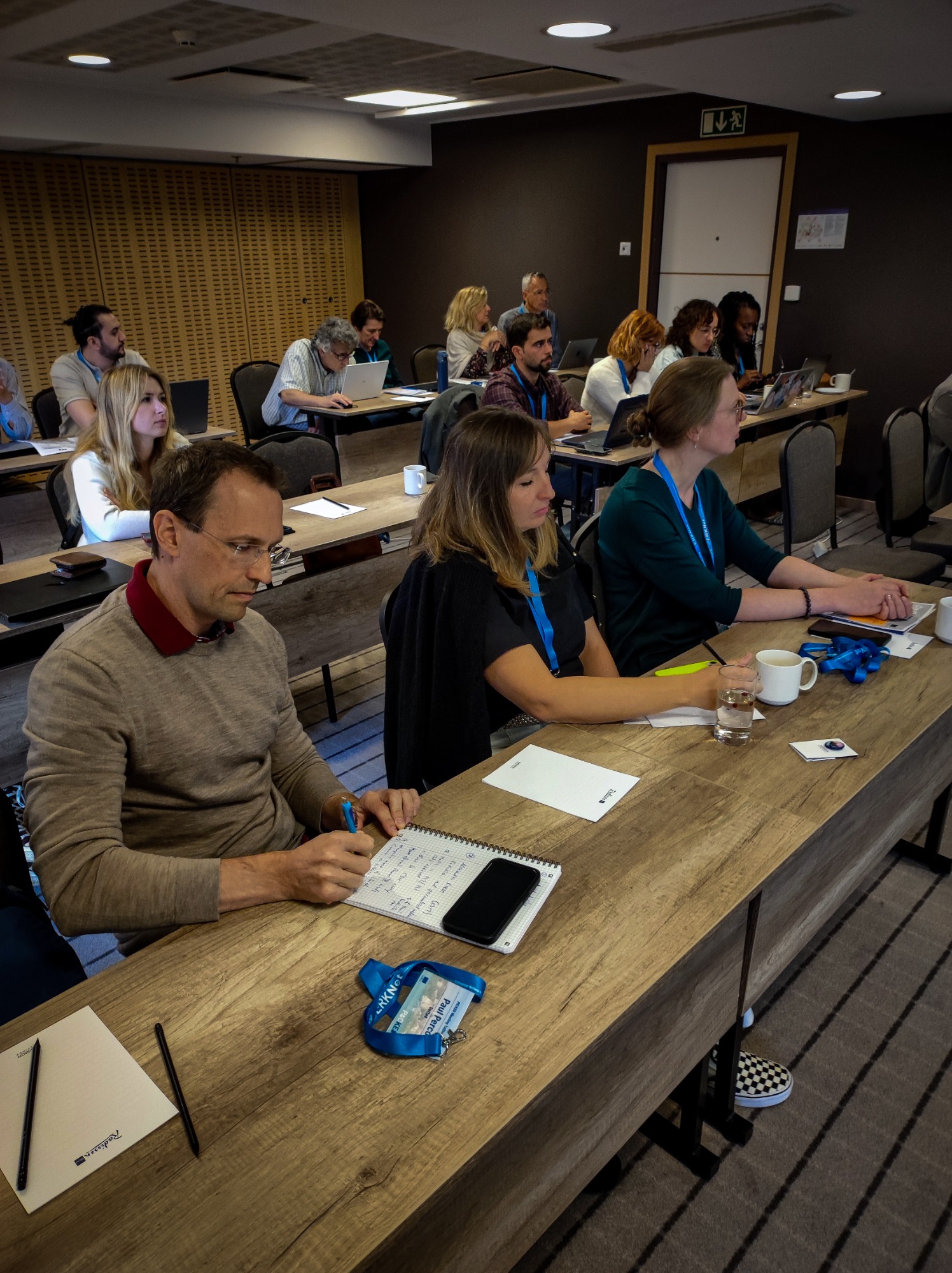
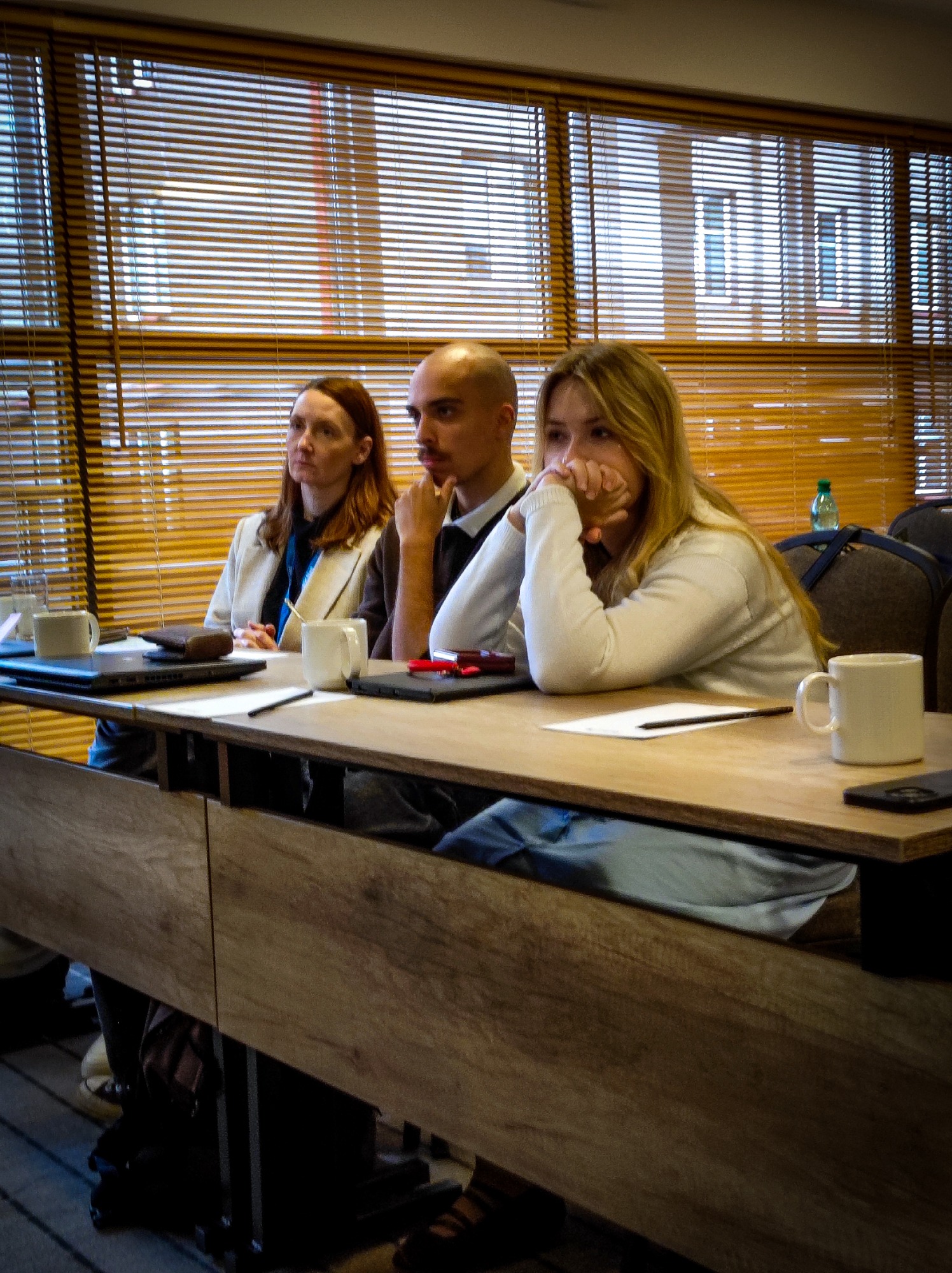
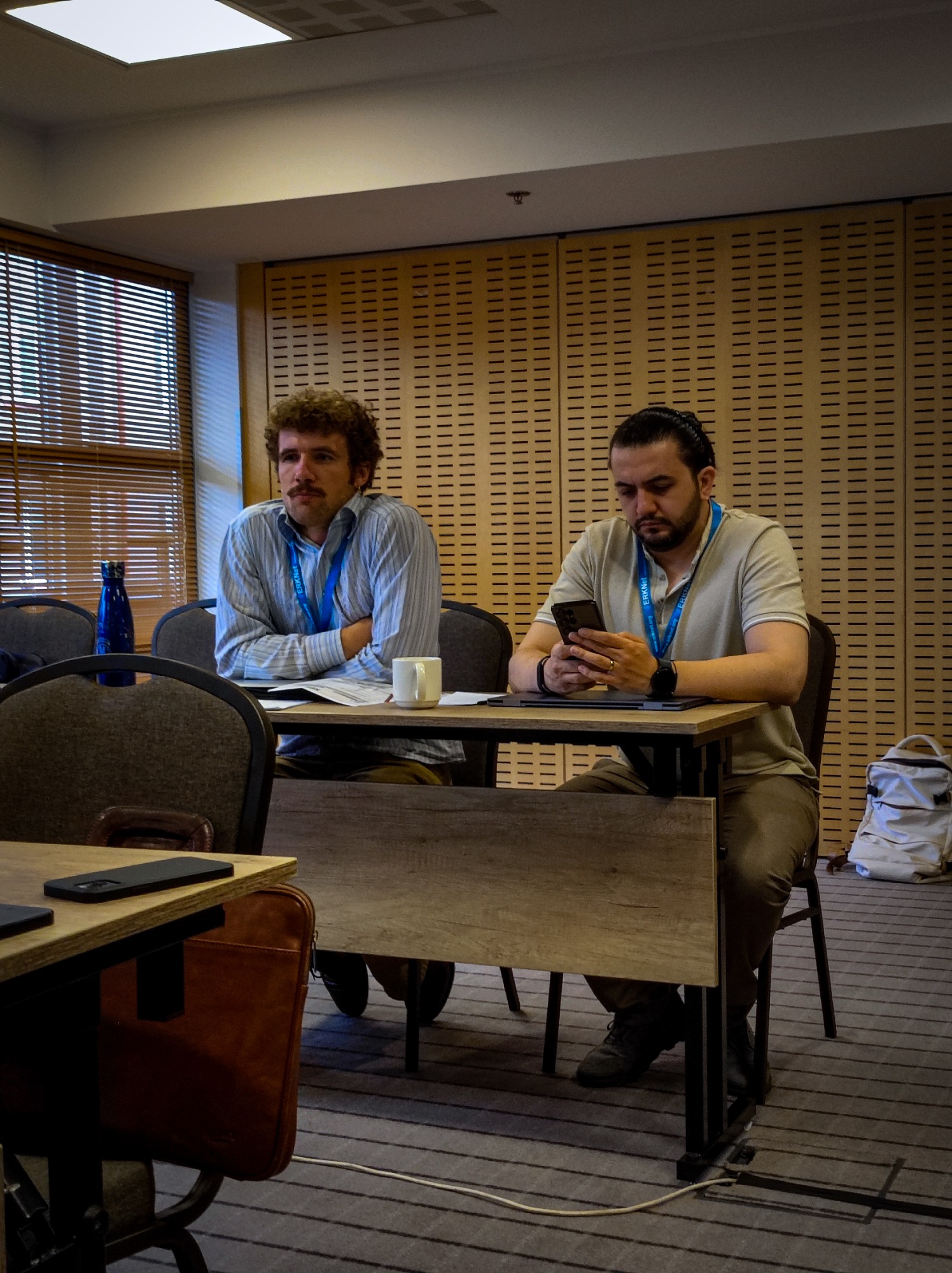
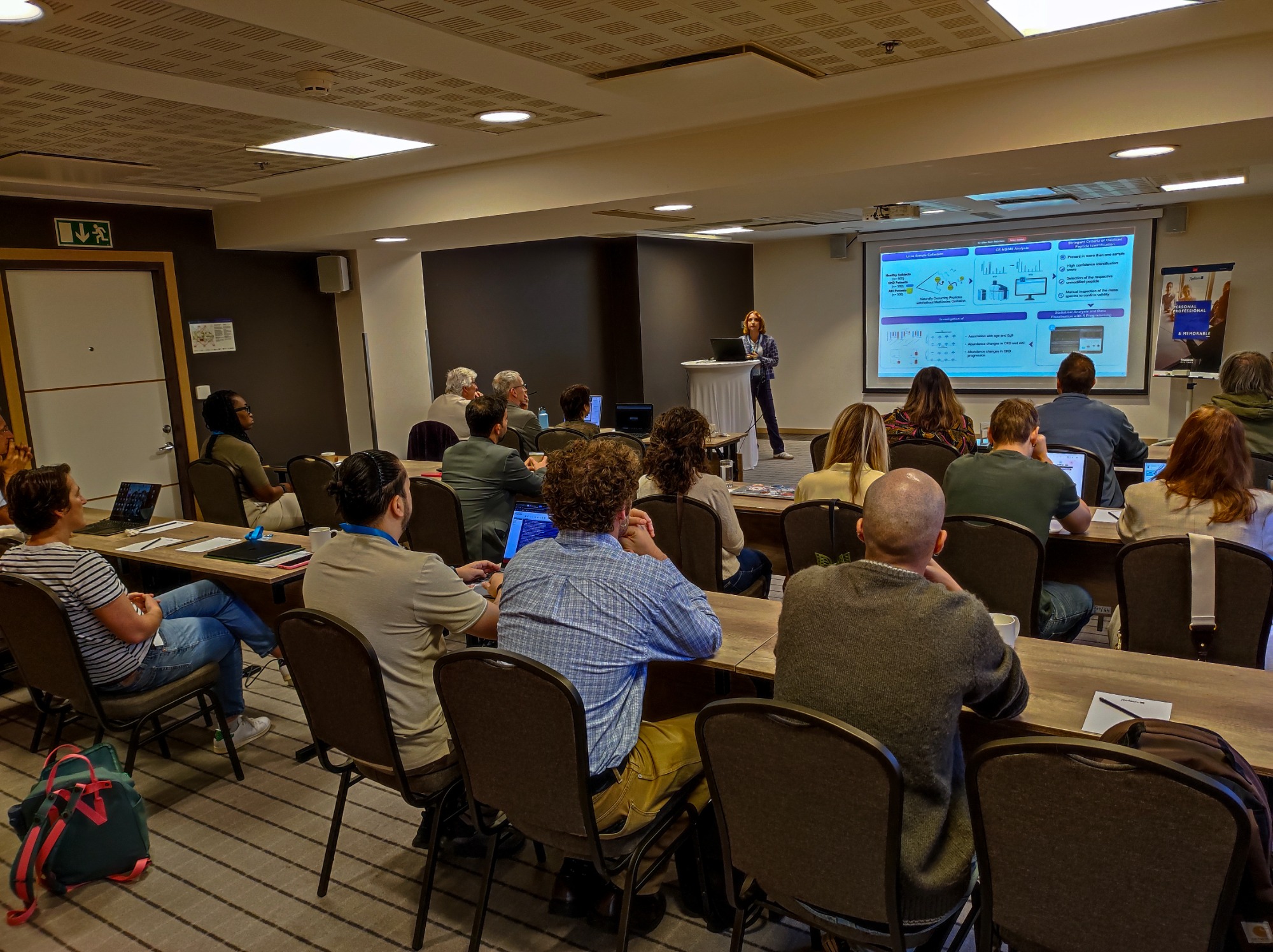
The PICKED consortium met in Tallinn, Estonia, on 16–17 September 2026 for two days of research updates and training on entrepreneurship and the translation of scientific discoveries into practice. Bringing together doctoral candidates, supervisors and invited experts, the meeting explored how the network’s research could contribute to more personalised care for people with kidney disease.
Held at the Radisson Blu Hotel Olümpia, the meeting opened with a welcome from project coordinators Joost Schanstra and Julie Klein, together with Ivo Fridolin. The programme connected progress across the doctoral projects with a wider question: what does it take for a promising research idea to become useful in healthcare?
From scientific ideas to practical applications
The entrepreneurship sessions encouraged participants to consider their research from the perspective of the people who might use, purchase or benefit from it.
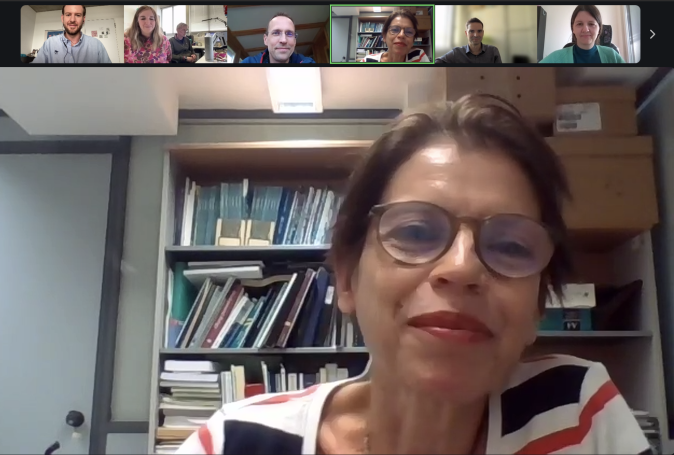
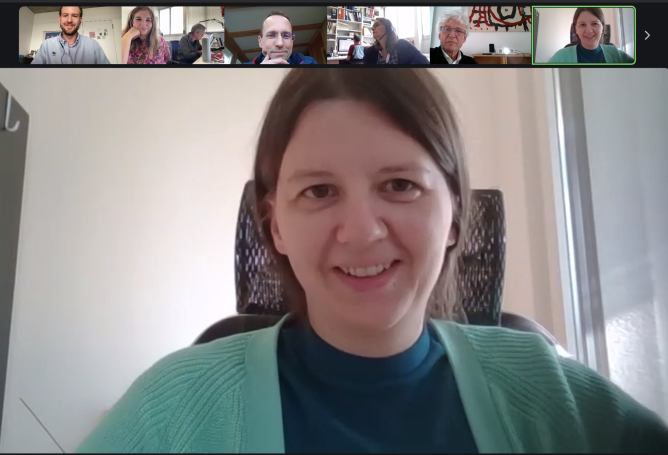
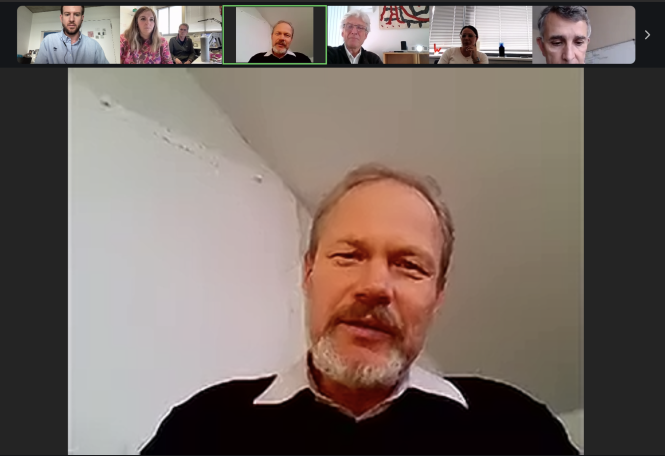
Joining remotely, Signe Møller Larsen from Nordic Bioscience presented “A great idea is not enough: bringing an idea to market”. Through practical examples, she explored how to identify potential customers, understand their needs and communicate the value of a product or service. Her presentation highlighted that patients, clinicians and healthcare payers may value different aspects of the same innovation.
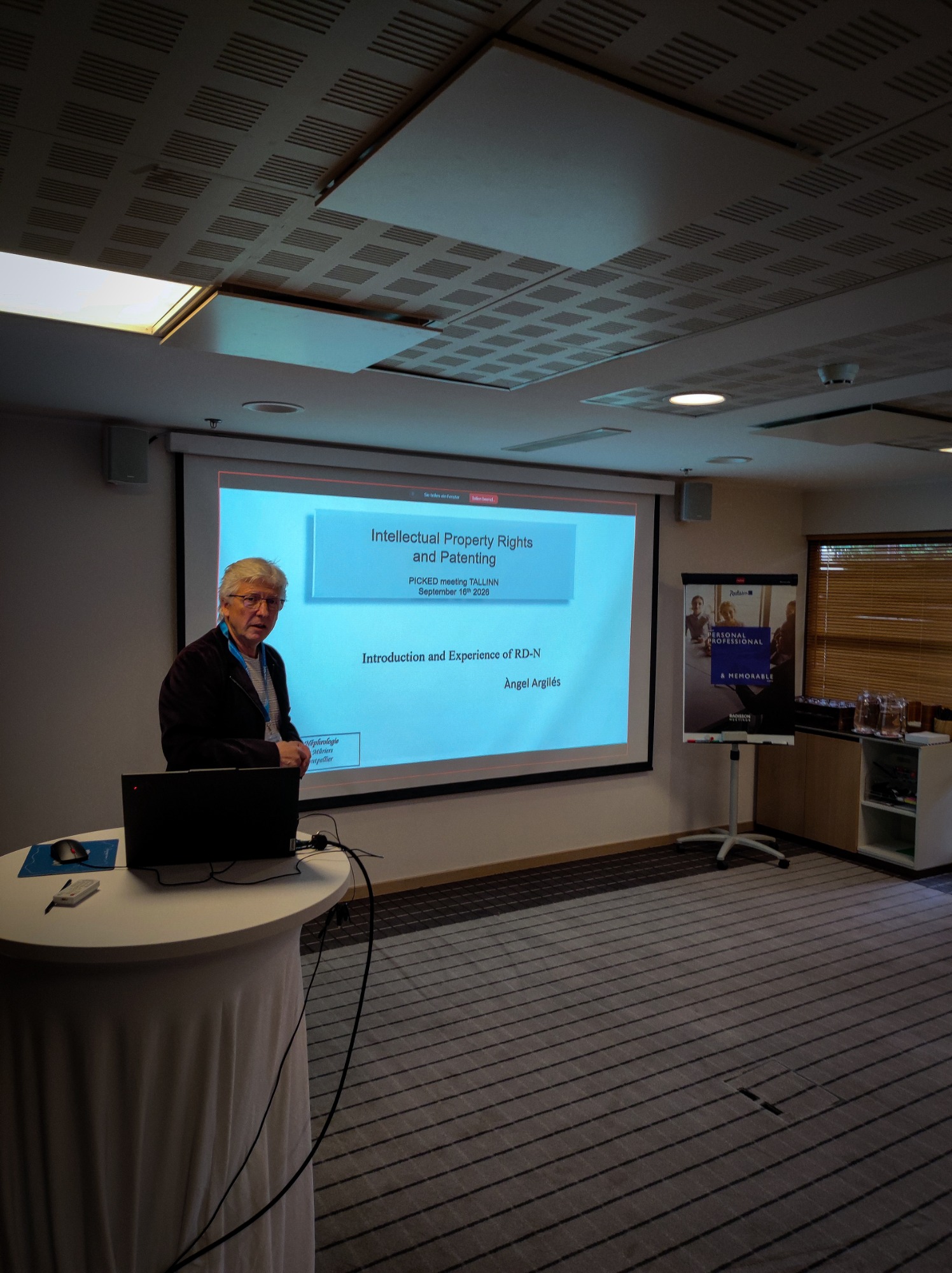
Àngel Argilés discussed intellectual property rights and patenting, drawing on examples from RD-Néphrologie’s work in dialysis. The session illustrated the steps involved in protecting an invention and developing a clinical idea into a potential application. The programme also included Alexander Reese from Novo Nordisk, bringing a pharmaceutical industry perspective on precision medicine.
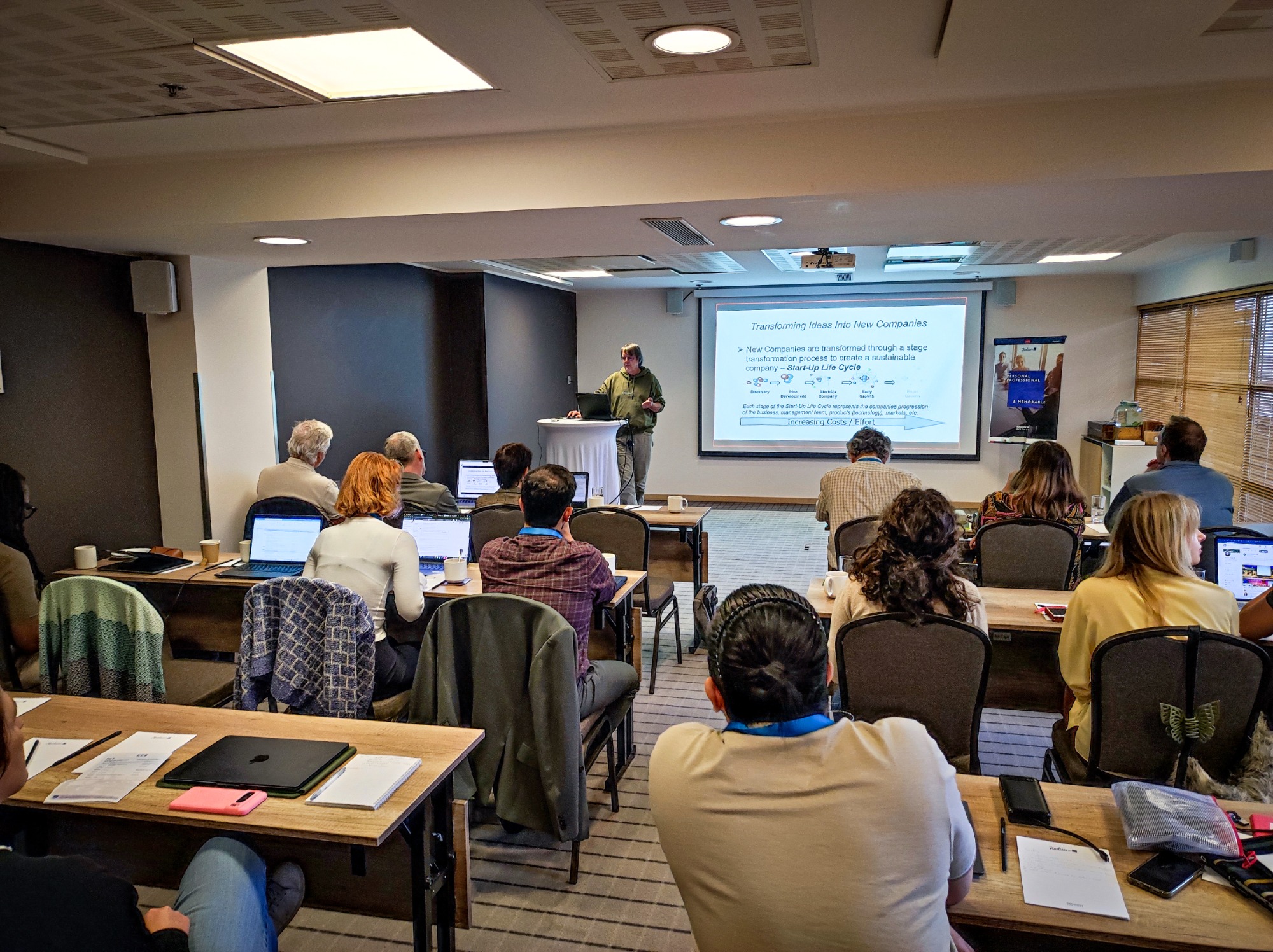
On the second day, Harald Mischak examined the journey from a business plan to commercial success. His presentation addressed funding, market access and the demands of building a company, including the choice between establishing a start-up and partnering with an existing business.
Research progress across the network
The doctoral presentations covered complementary approaches to understanding kidney disease, identifying risk earlier and improving treatment decisions.
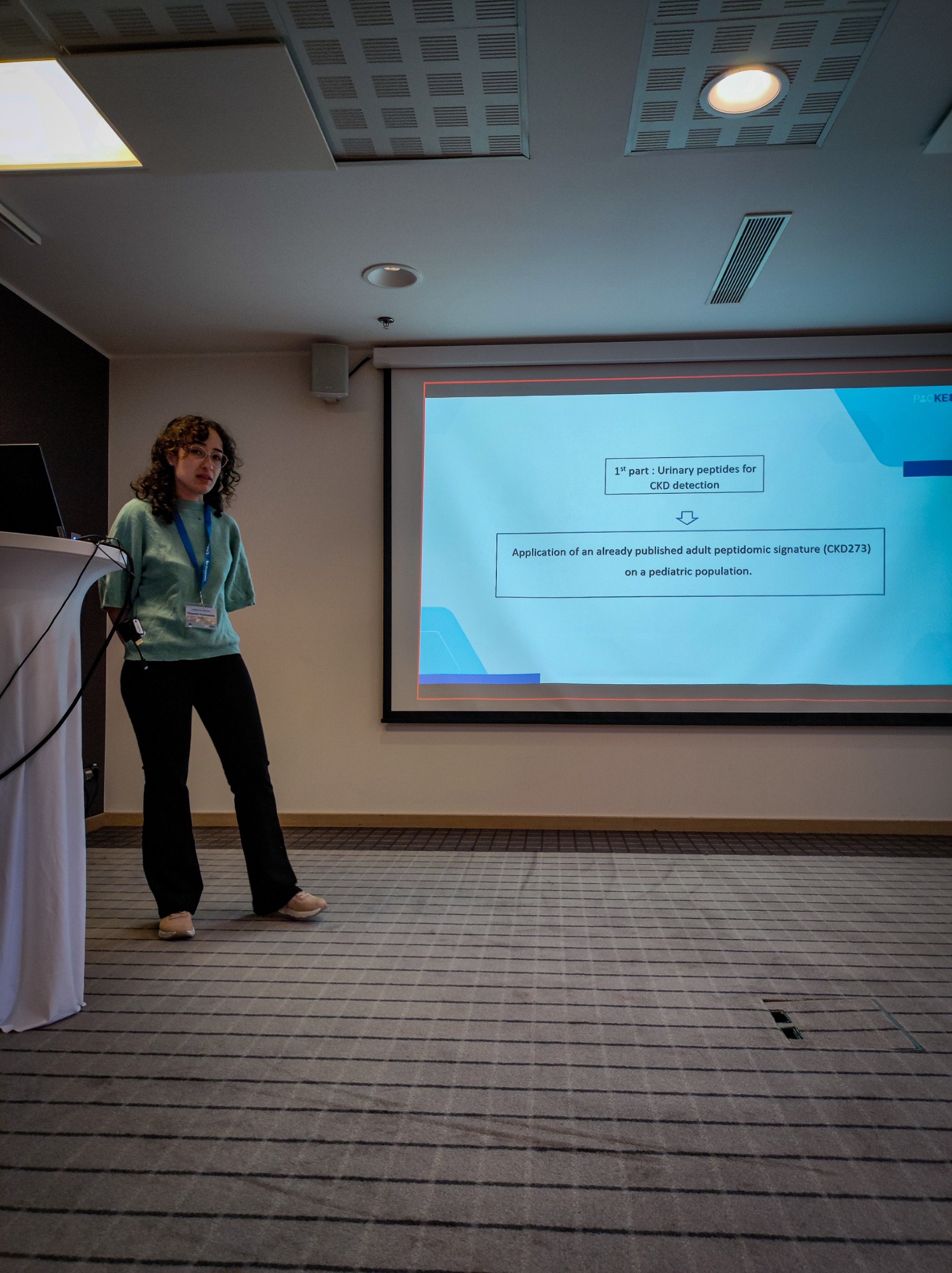
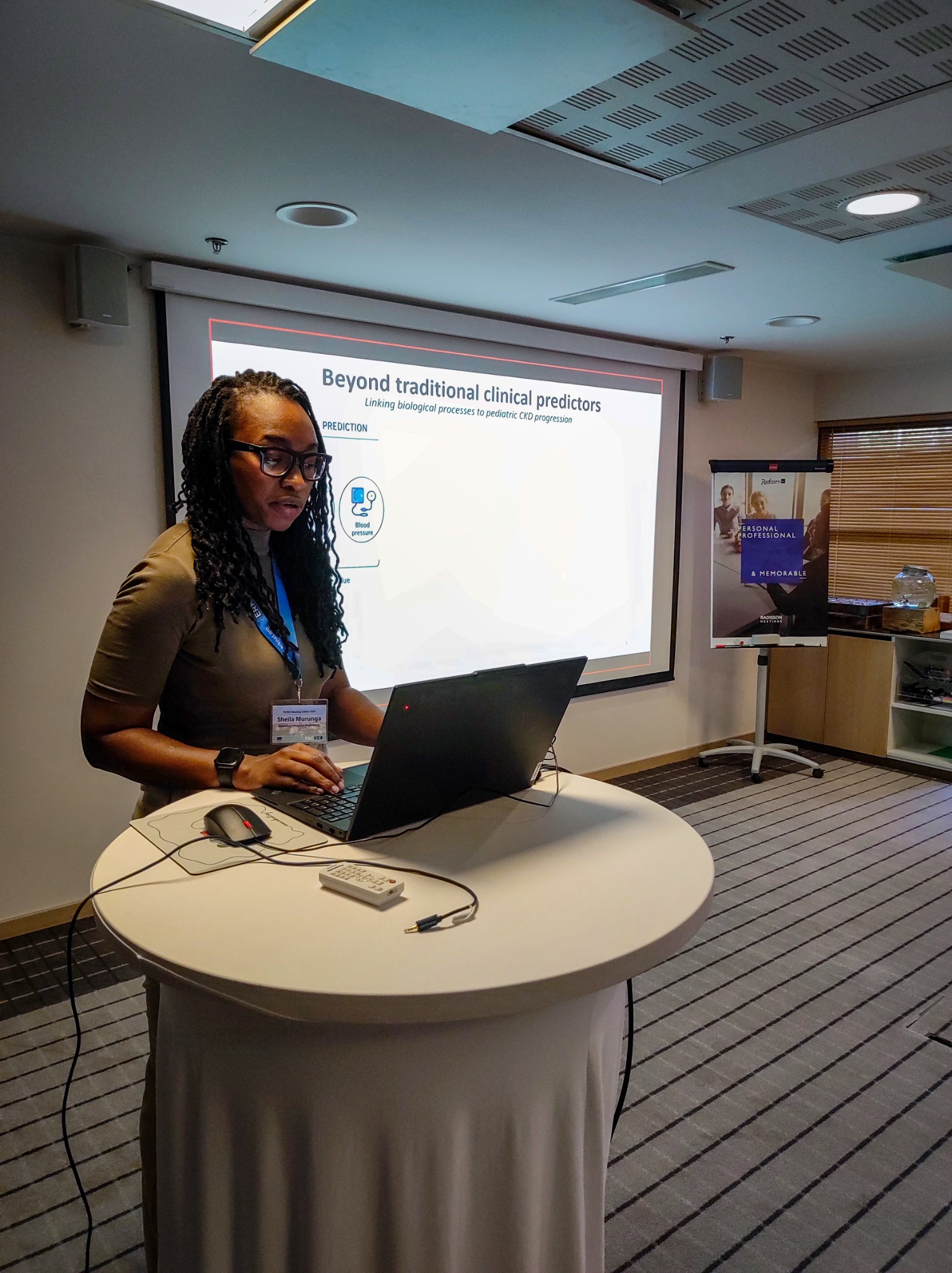
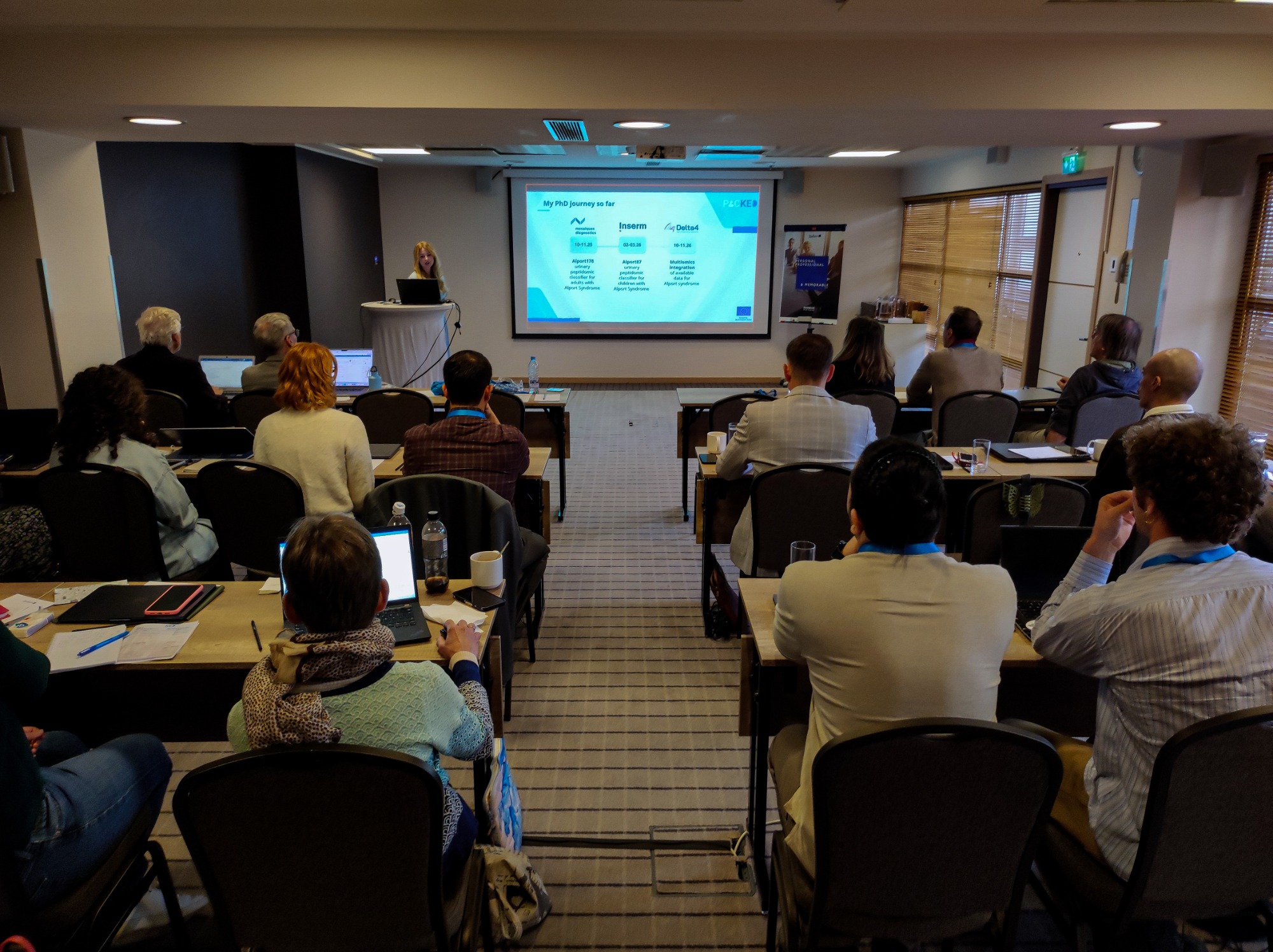
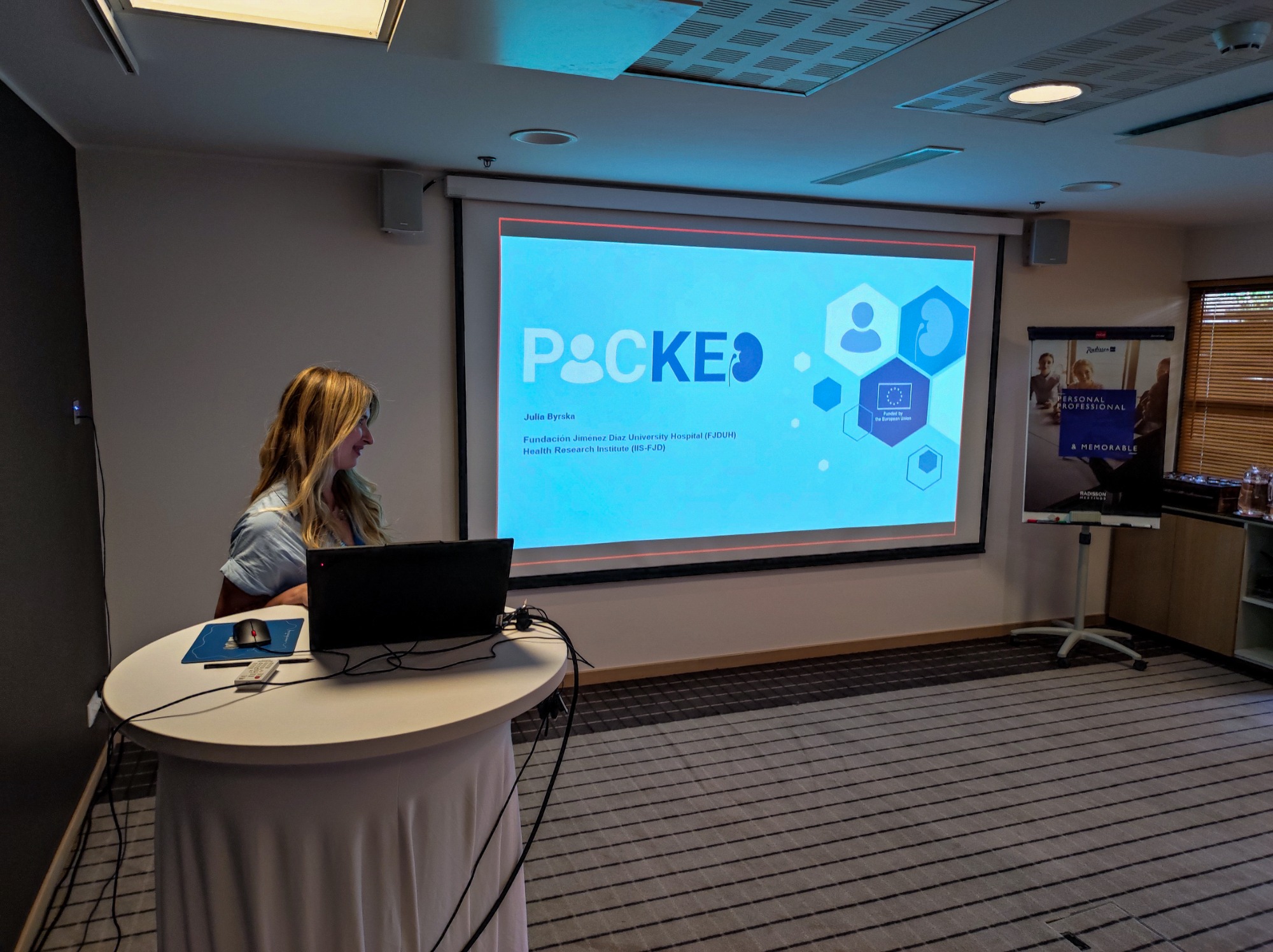
Kleanthi Voutsadaki presented work on urinary peptide signatures for detecting and predicting chronic kidney disease in children, including the need to adapt models developed in adults. Sheila Murunga discussed biomarkers of paediatric disease progression and the development of a panel combining information from different biological pathways. Julia Byrska shared progress on urinary peptide classifiers for Alport syndrome in adults and children, with contributions from fellow PICKED researchers illustrating the value of collaboration across the network.
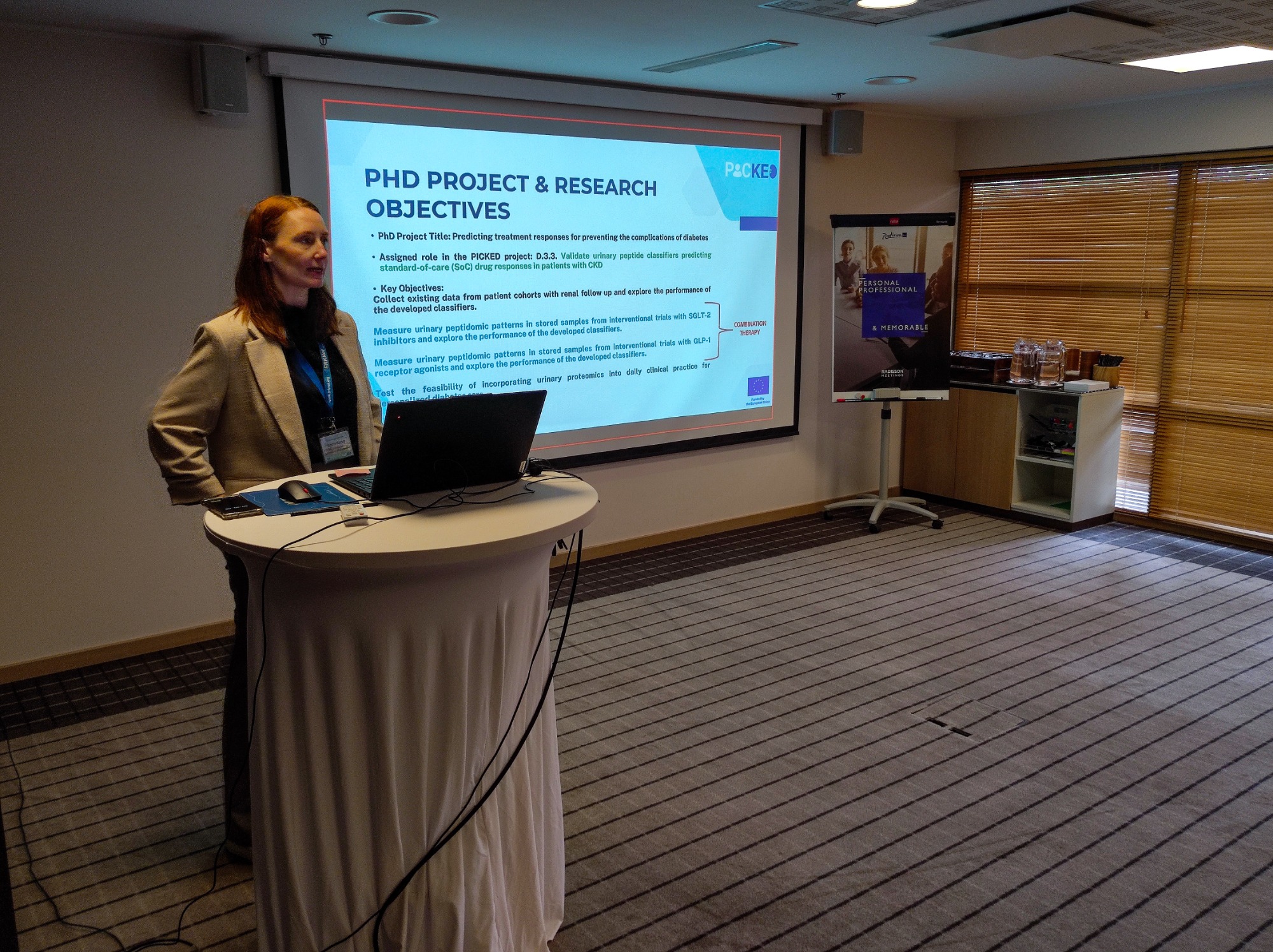
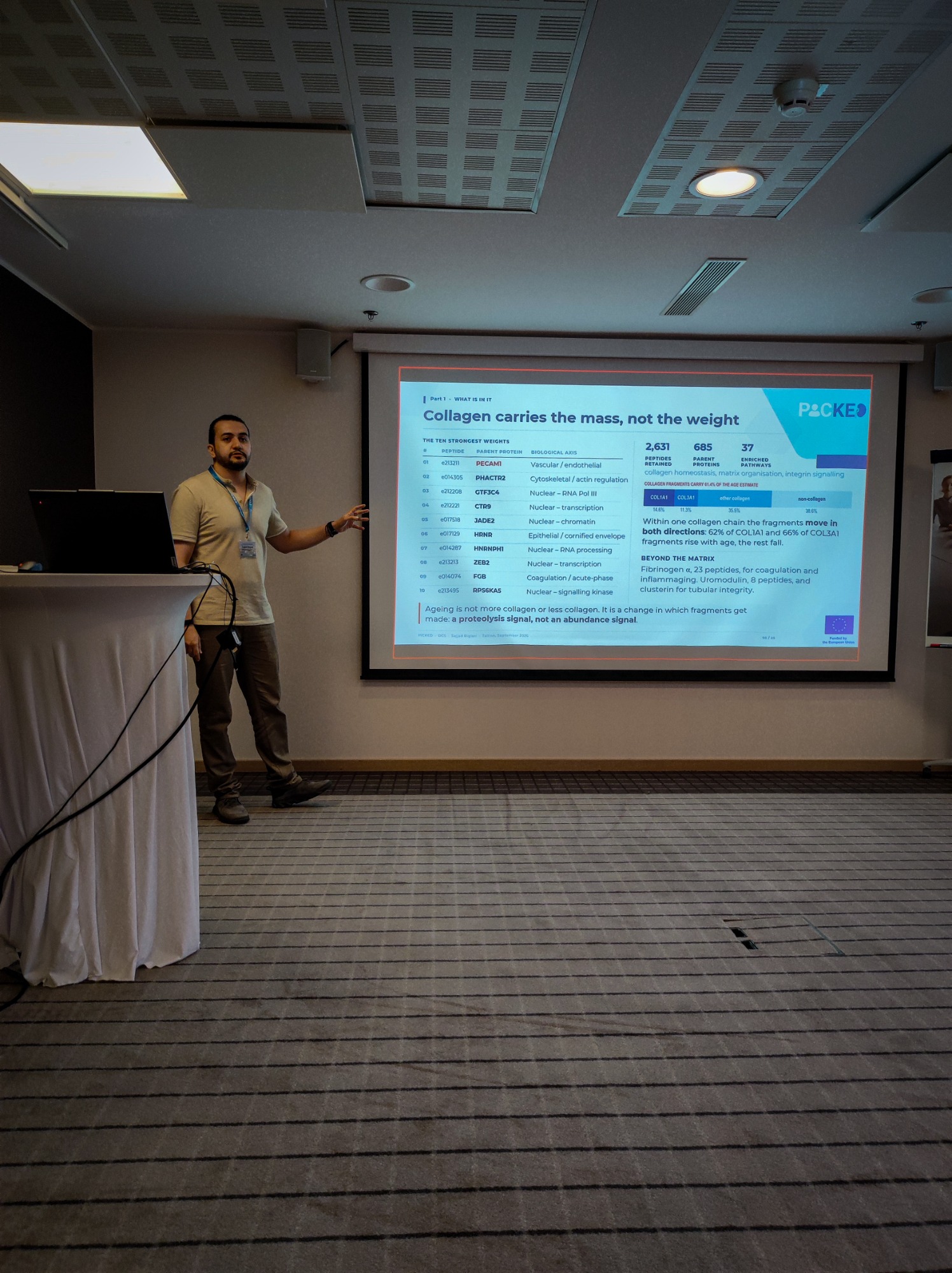
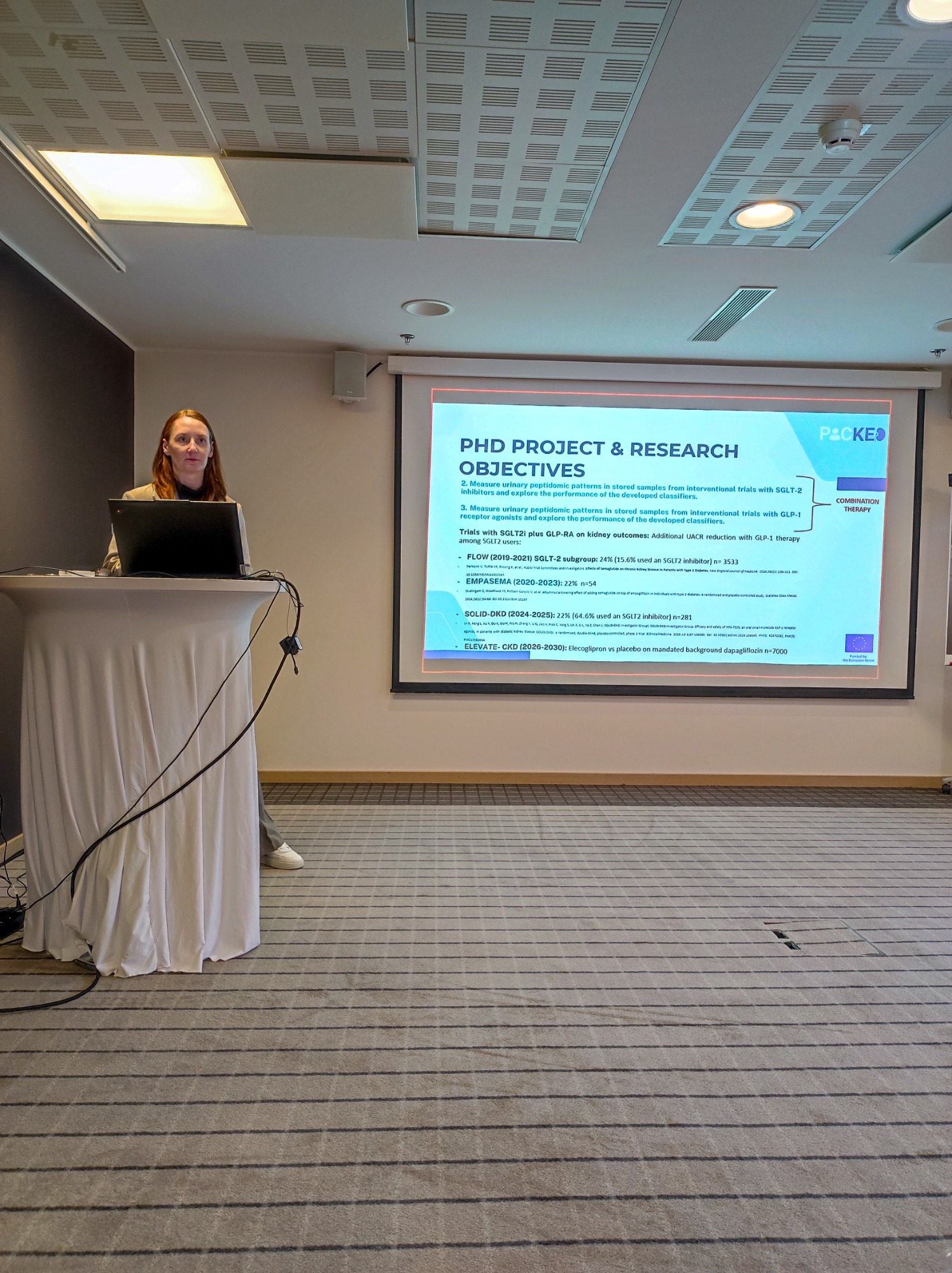
Other presentations explored what molecular information can reveal about disease and treatment. Sajjad Biglari discussed urinary peptidomics and biological ageing, including the importance of accounting for kidney function when interpreting ageing signals. Ágota Nóra Kazup presented work on urinary peptide profiles and treatment response in diabetes, including combination therapies. Cansenem Özkan shared research on protein and peptide markers, with investigations into oxidative stress and the molecular processes associated with kidney disease progression.
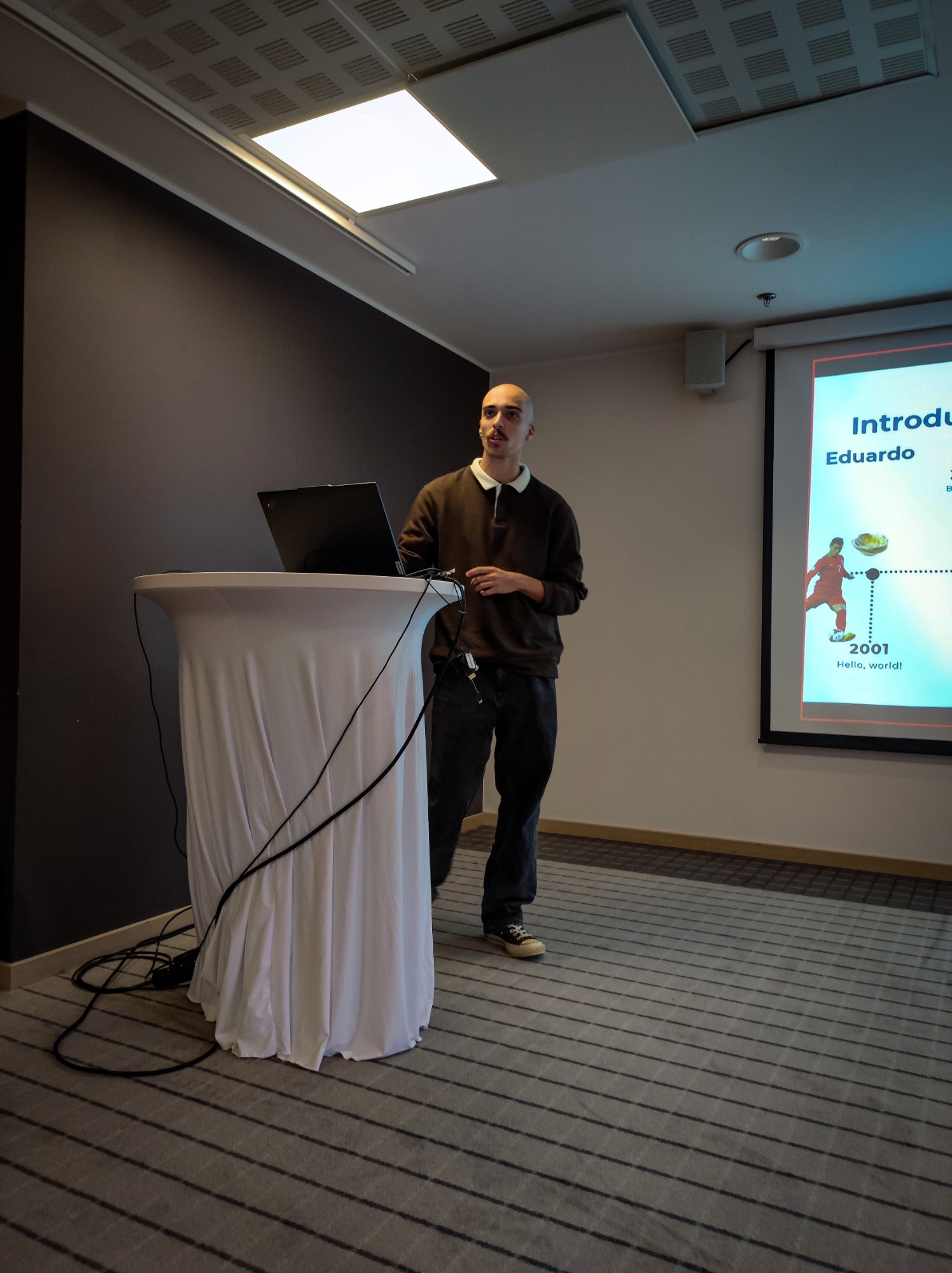
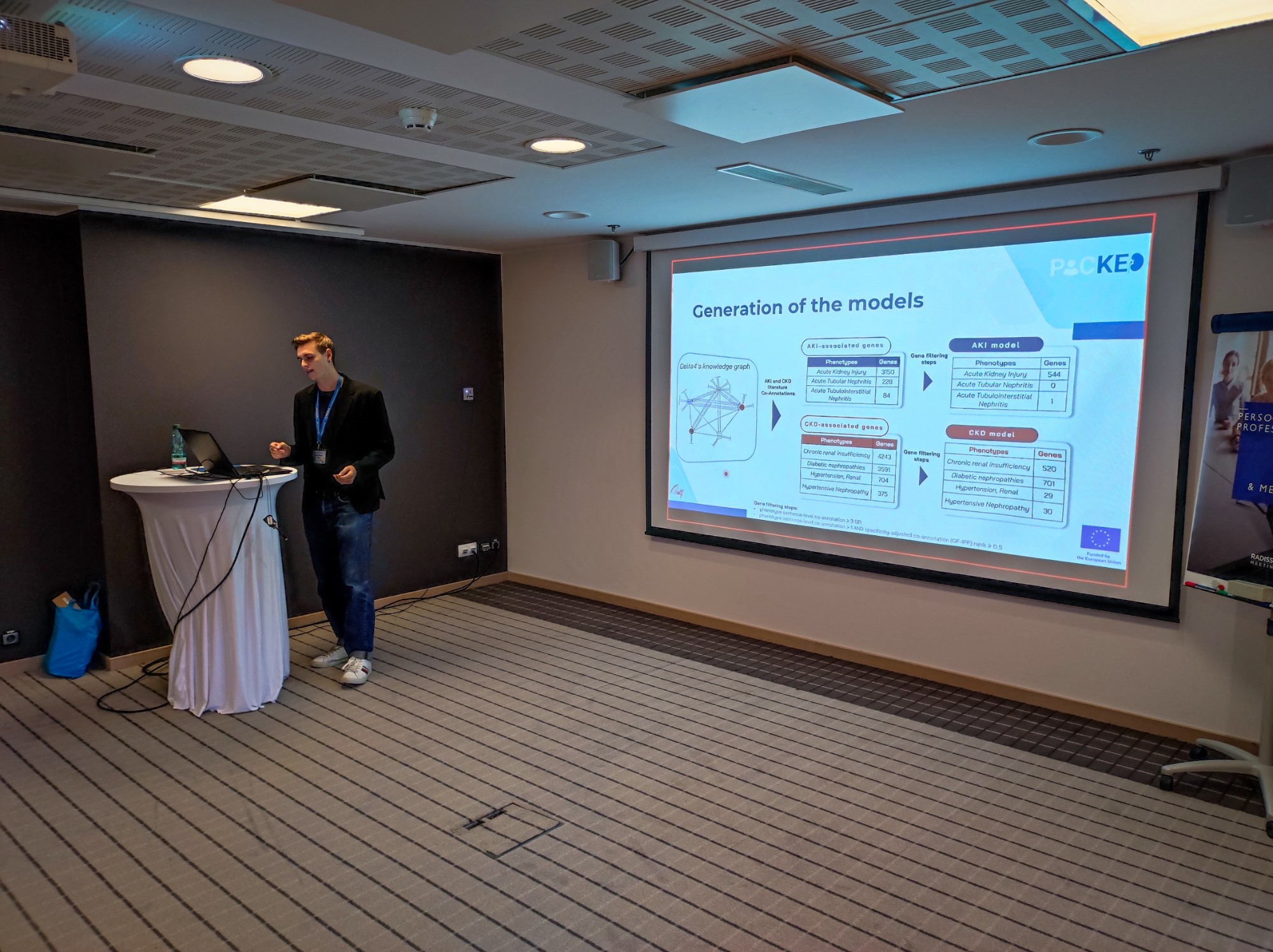
Computational approaches also featured prominently. Enrico Bono presented network models of the transition from acute kidney injury to chronic kidney disease and approaches to prioritising potential drug targets. Eduardo Galaricha introduced work combining clinical information and urinary peptidomics to predict acute kidney injury and investigate its biological diversity.
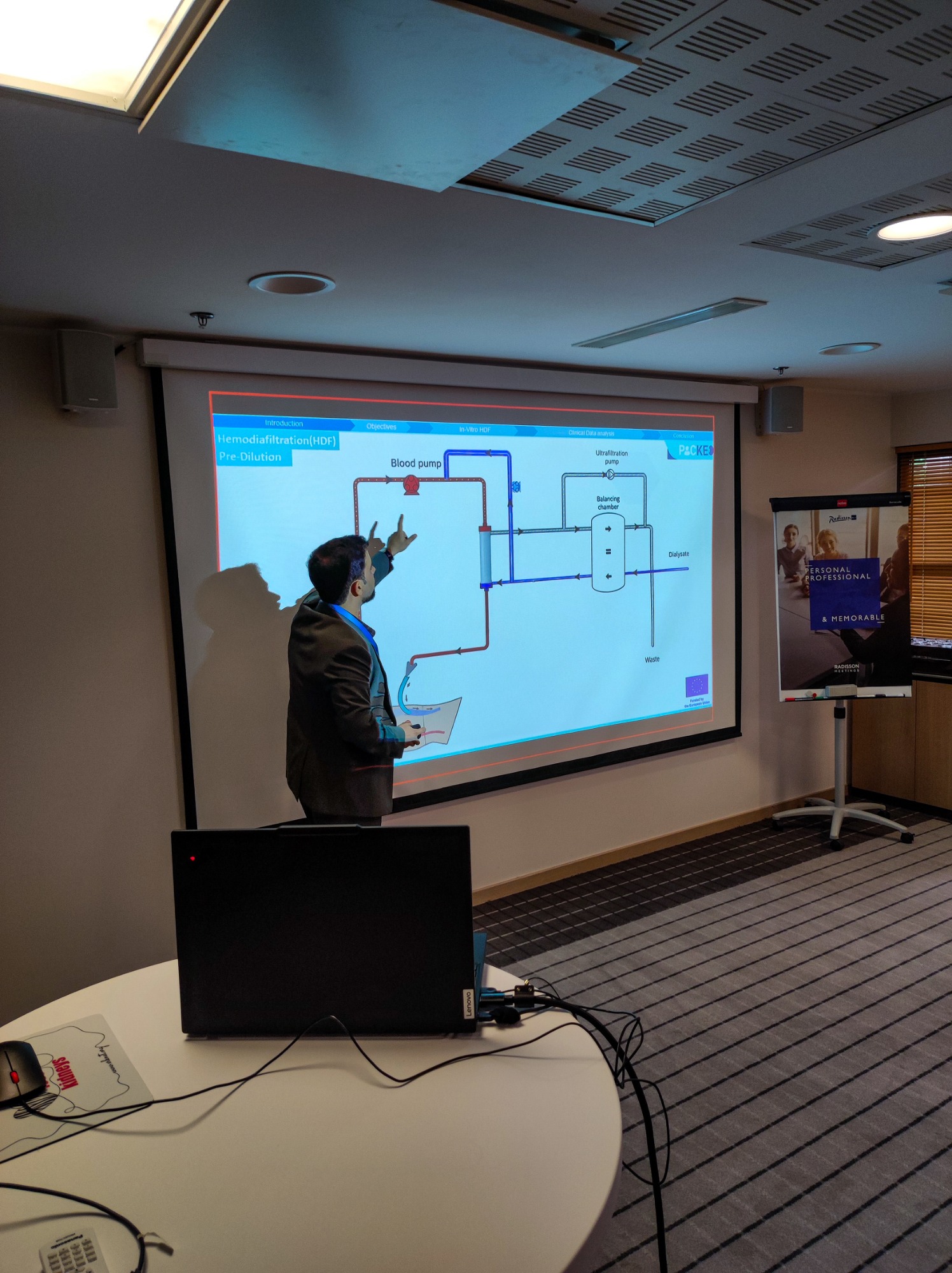
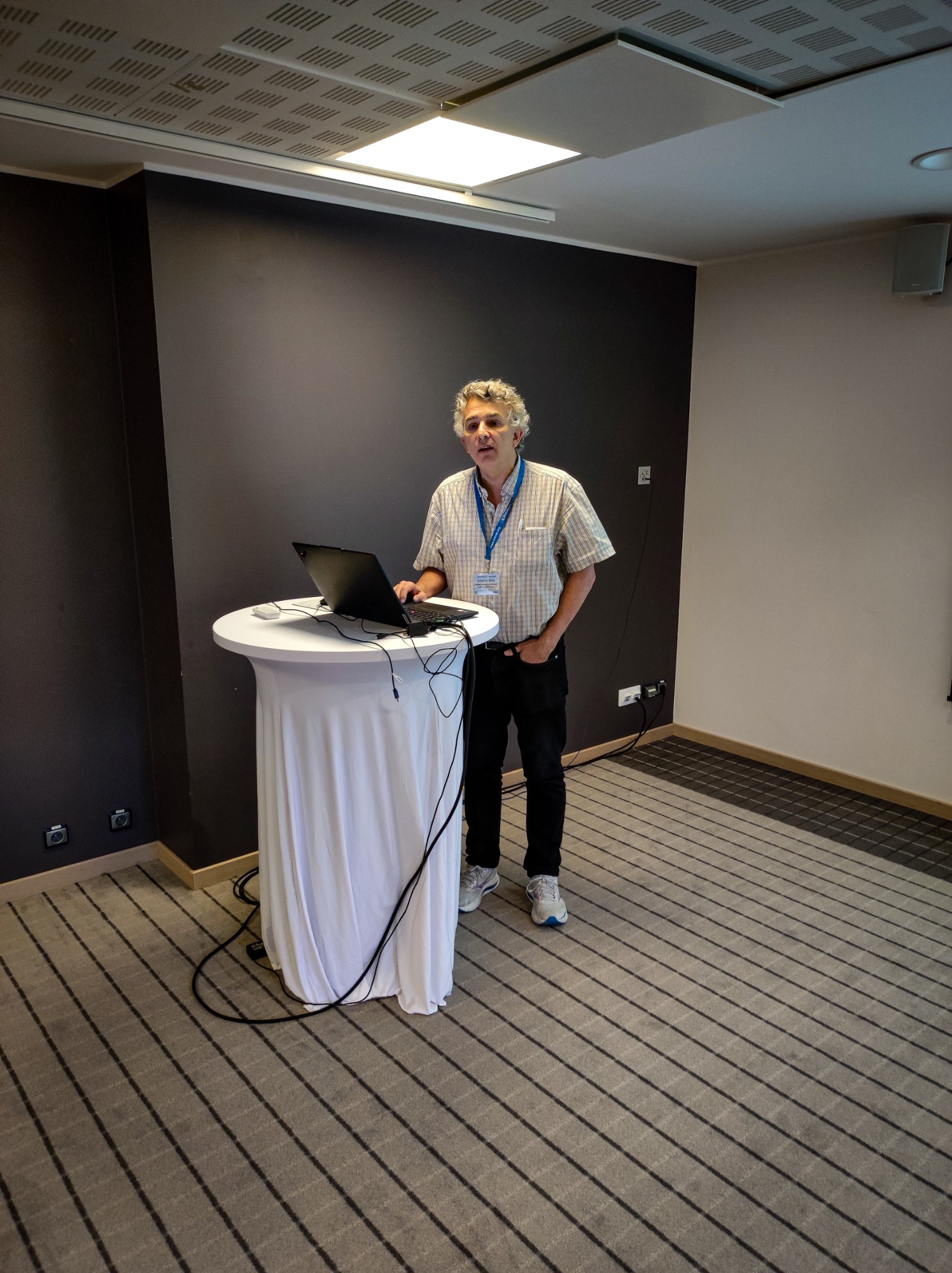
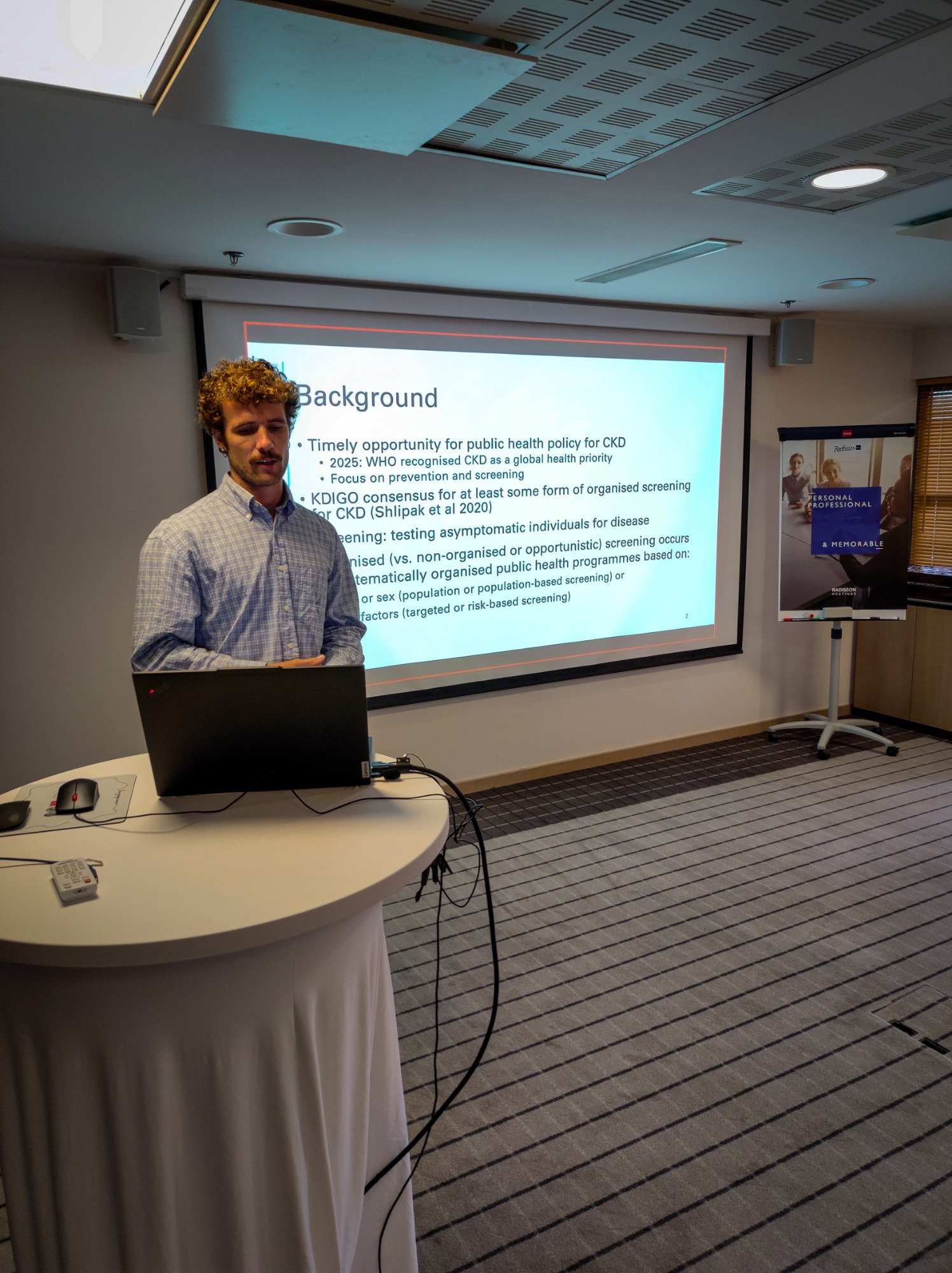
Siavash Sohan Gir presented laboratory experiments and analyses of routine dialysis data examining convection in haemodiafiltration. Jeremy Power broadened the discussion to the ethics of organised kidney disease screening, considering potential benefits and harms, informed choice and equitable access. Alberto Ortiz further explored earlier prevention through age-related kidney function assessment and the emerging concept of “pre-CKD”.
Collaboration and next steps
The meeting provided time for scientific feedback and discussion of collaboration opportunities. A group dinner in Tallinn’s Old Town offered a further opportunity for participants to connect beyond the scientific sessions.
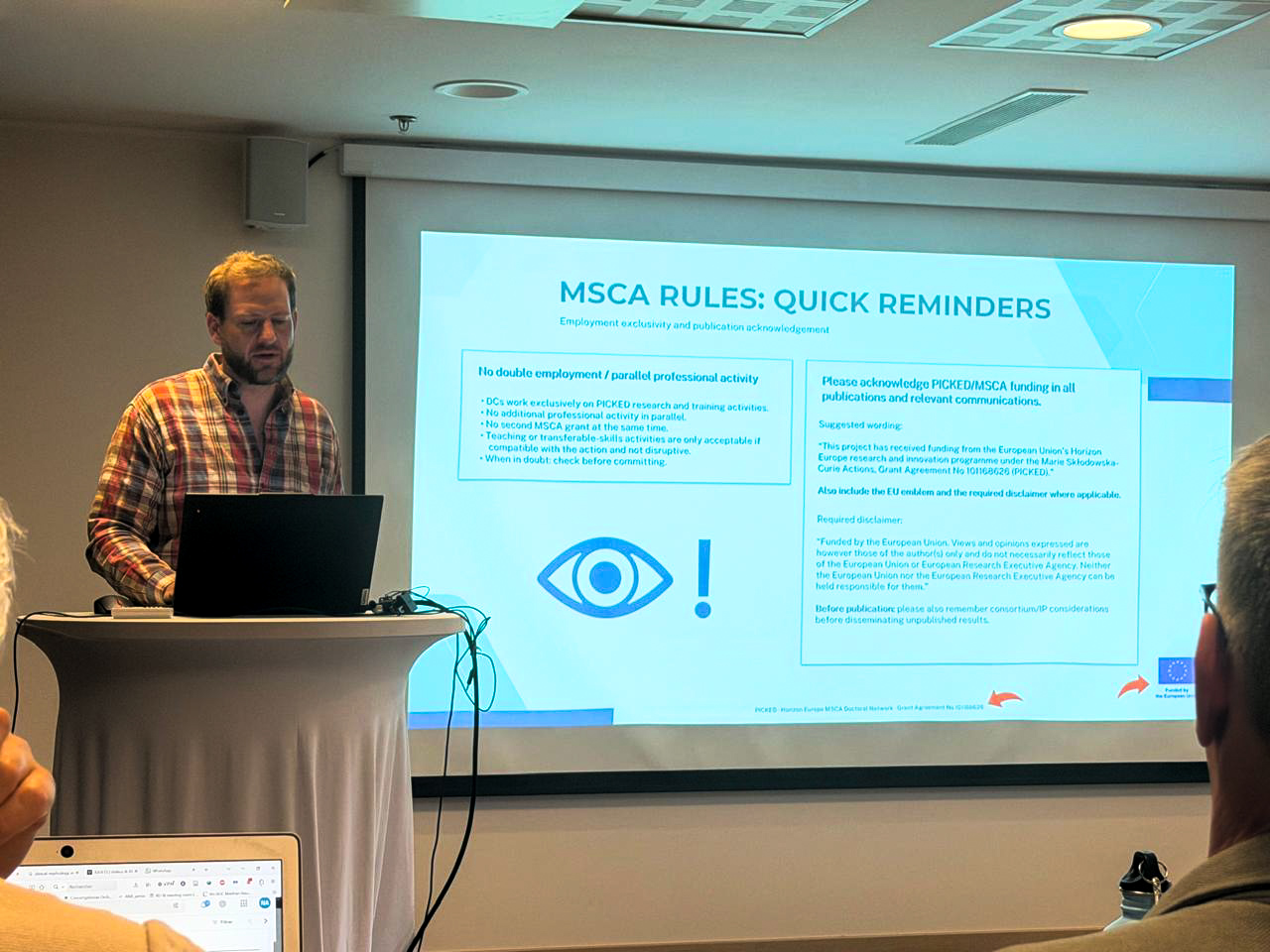
Johannes Trapp from the University Hospital Heidelberg, led the closing session, reviewing upcoming project milestones, secondments and career development plans, alongside reminders to share publications and other project activities. The consortium also looked ahead to clinical trials training in Madrid and plans for a meeting and doctoral candidate-organised scientific symposium in Heidelberg.
Thank you to all speakers, doctoral candidates, supervisors and partners who contributed to the meeting, and to our local colleagues for welcoming the PICKED network to Tallinn.
PICKED is funded by the European Union’s Horizon Europe programme under the Marie Skłodowska-Curie Actions, Grant Agreement No 101168626.
Funded by the European Union. Views and opinions expressed are however those of the author(s) only and do not necessarily reflect those of the European Union or European Research Executive Agency. Neither the European Union nor the European Research Executive Agency can be held responsible for them.
PICKED network to meet in Tallinn for two days of science, training and collaboration
10.09.2026
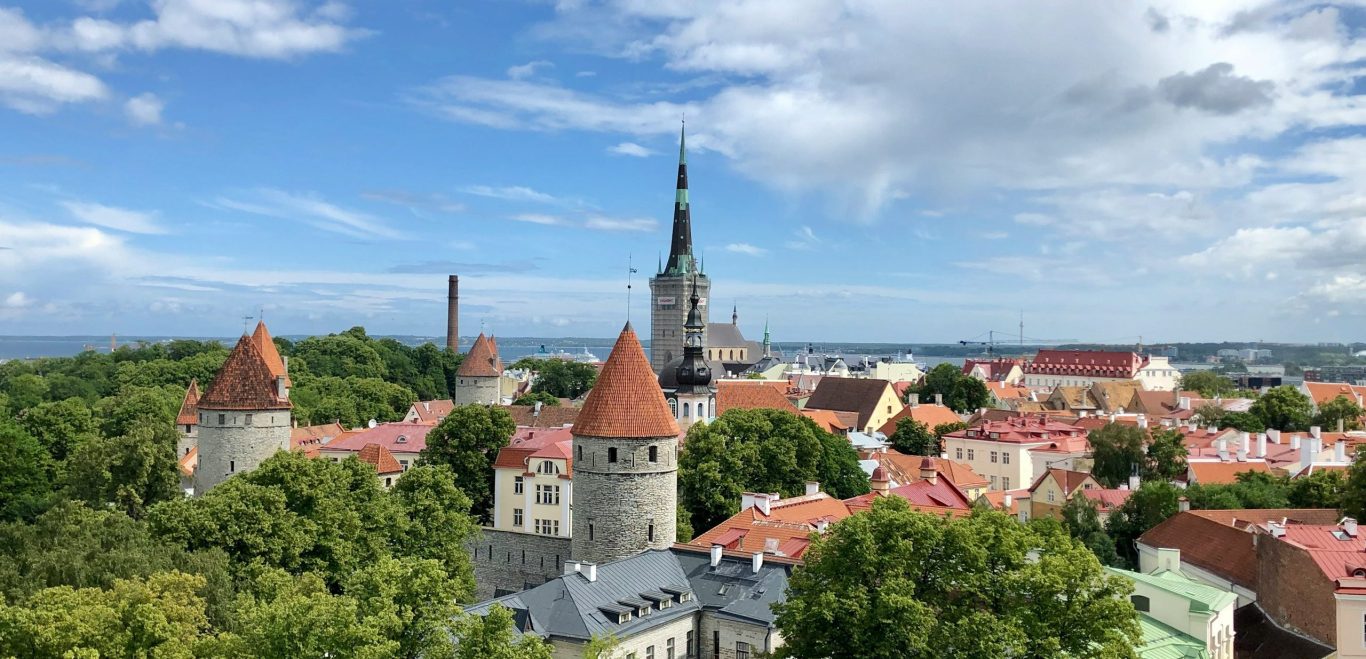
The PICKED consortium will meet in Tallinn, Estonia, on 16–17 September 2026 for its next network meeting, bringing together Doctoral Candidates, supervisors and invited experts from across the consortium.
Hosted at the Radisson Blu Olumpia Hotel, the two-day programme will combine scientific presentations, training sessions and consortium discussions, with a particular focus on connecting research progress with innovation, entrepreneurship and translation into practice.
From scientific ideas to real-world impact
The first morning will focus on entrepreneurship and translation, exploring what is needed to move promising scientific ideas beyond the research environment.
The programme includes contributions from:
- Signe Larsen, Nordic Bioscience – A great idea is not enough: bringing an idea to market
- Àngel Argilés – Intellectual property rights and patenting
- Alexander Reese, Novo Nordisk – A big pharma perspective on precision medicine
- Harald Mischak – Basics in entrepreneurship: from science to a business plan
Together, these sessions will give PICKED Doctoral Candidates insight into intellectual property, commercialisation and the pathways through which research can ultimately generate clinical and societal impact.
Doctoral Candidates present their latest research
A central part of the Tallinn meeting will be two sessions dedicated to the progress of the PICKED Doctoral Candidates.
Across the two days, Kleanthi Voutsadaki, Sajjad Biglari, Ágota Nóra Kazup, Julia Byrska, Enrico Bono, Eduardo Galaricha, Cansenem Özkan, Sheila Murunga, Siavash Sohan Gir and Jeremy Power will present updates on their individual research projects.
Their work spans the broad scientific scope of PICKED, including urinary biomarkers and peptidomics, computational approaches, chronic kidney disease progression, personalised treatment and clinical decision-making.
The presentations will also provide an opportunity for the network to exchange feedback, identify connections between individual projects and strengthen collaboration across institutions and disciplines.
Strengthening collaboration across the PICKED network
Following the scientific sessions on the second day, the consortium will hold a dedicated discussion on scientific feedback and collaboration opportunities.
The meeting will conclude with a review of next steps and upcoming priorities, helping to align the network as PICKED moves further into the implementation of its research and training programme.
With contributions from academia, industry and clinical practice, the Tallinn meeting is designed to connect scientific advances with their potential application, from biomarker development and validation to more personalised approaches to kidney care.
We look forward to bringing the PICKED community together again in Tallinn to share progress, exchange ideas and continue advancing personalised medicine in kidney disease.
PICKED Doctoral Candidate Julia Byrska presents Alport syndrome research in Budapest
08.09.2026
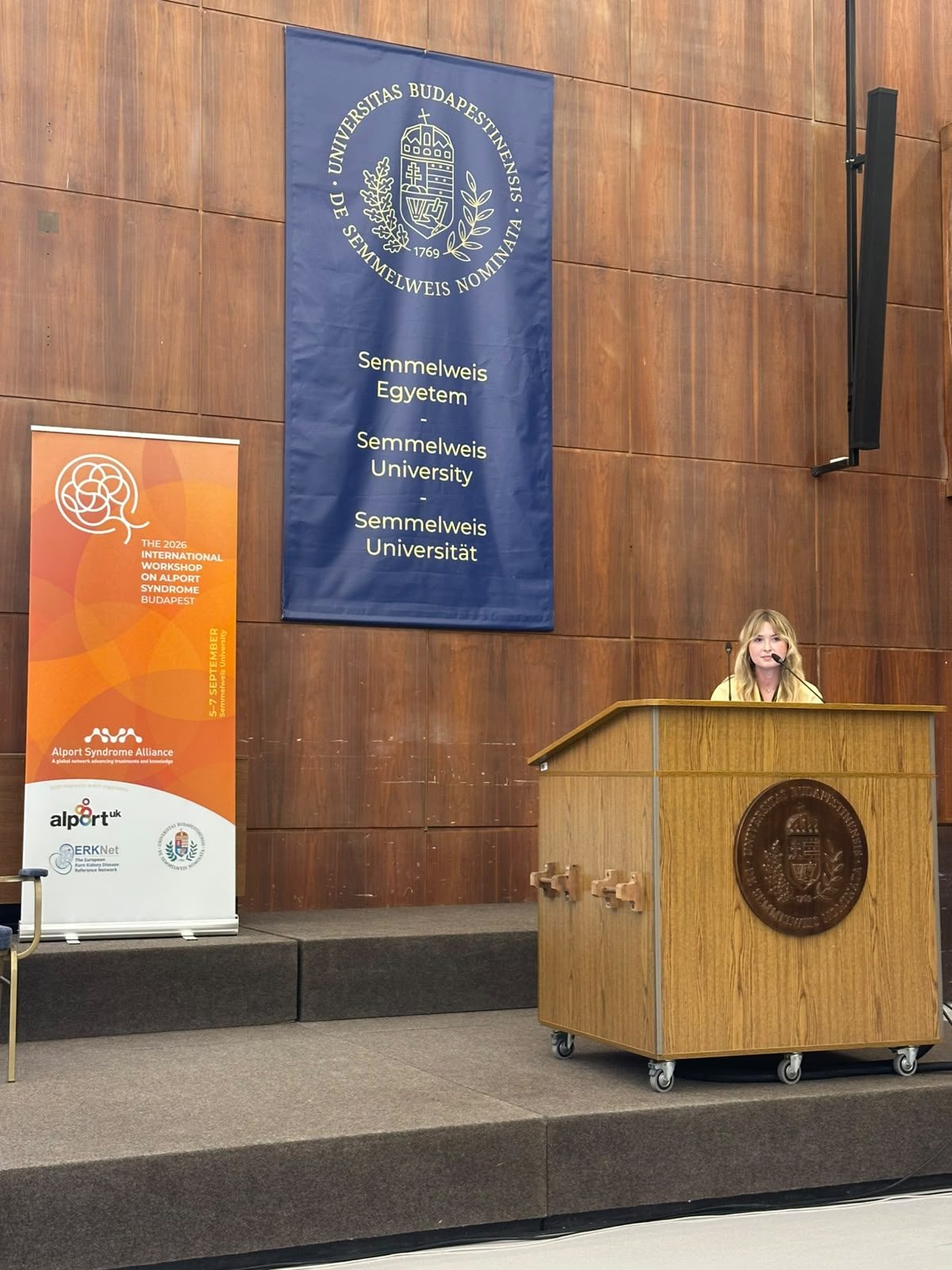
PICKED Doctoral Candidate Julia Byrska presented her research at the 2026 International Workshop on Alport Syndrome, held from 5–7 September 2026 at Semmelweis University in Budapest, Hungary.
The international workshop brought together researchers, clinicians, patients and representatives of the wider Alport community to exchange the latest developments in Alport syndrome research and care. Particular emphasis was placed on areas such as early diagnosis, genetics, biomarkers, novel treatment approaches and future clinical research.
Towards a non-invasive diagnosis of Alport syndrome
Julia presented her work entitled:
“Urinary peptidomic classifier for the non-invasive diagnosis of Alport syndrome.”
Her research investigates whether patterns of peptides found in urine can be used to distinguish Alport syndrome from other kidney diseases.
Rather than relying on a single biomarker, the approach uses urinary peptidomic profiles combined with machine-learning methods to identify a characteristic molecular signature associated with Alport syndrome.
The resulting classifier, referred to as Alport178, combines multiple urinary peptides into a single diagnostic score.
Why this research matters
Alport syndrome is a hereditary kidney disorder that can be challenging to diagnose, particularly because some of its clinical features overlap with other chronic kidney diseases.
Developing reliable, non-invasive molecular tools could complement existing diagnostic approaches and potentially help support:
- earlier recognition of Alport syndrome
- differentiation from other kidney diseases
- more targeted use of genetic testing and kidney biopsy
- improved patient stratification and personalised care
Urine is particularly attractive for this type of research because it can be collected non-invasively and repeatedly, while providing rich molecular information directly related to kidney and urinary tract processes.
Connecting PICKED research with the international Alport community
Alongside her oral presentation, Julia also presented the work as a scientific poster, providing further opportunities to discuss the approach with researchers and clinicians working specifically on Alport syndrome.
Participation in meetings such as the International Workshop on Alport Syndrome allows PICKED Doctoral Candidates to share their research with specialised scientific communities, receive expert feedback and build collaborations that can support the further development and validation of their work.
Julia’s research forms part of PICKED’s broader objective to develop molecular biomarkers and personalised approaches for the detection and management of chronic kidney disease.
Learn more about the 2026 International Workshop on Alport Syndrome:
Alport Syndrome Alliance – 2026 International Workshop
Julia Byrska Presents PICKED Research at the 8th Cardiovascular, Renal and Metabolic Diseases (CRM) Area Meeting
28.07.2026
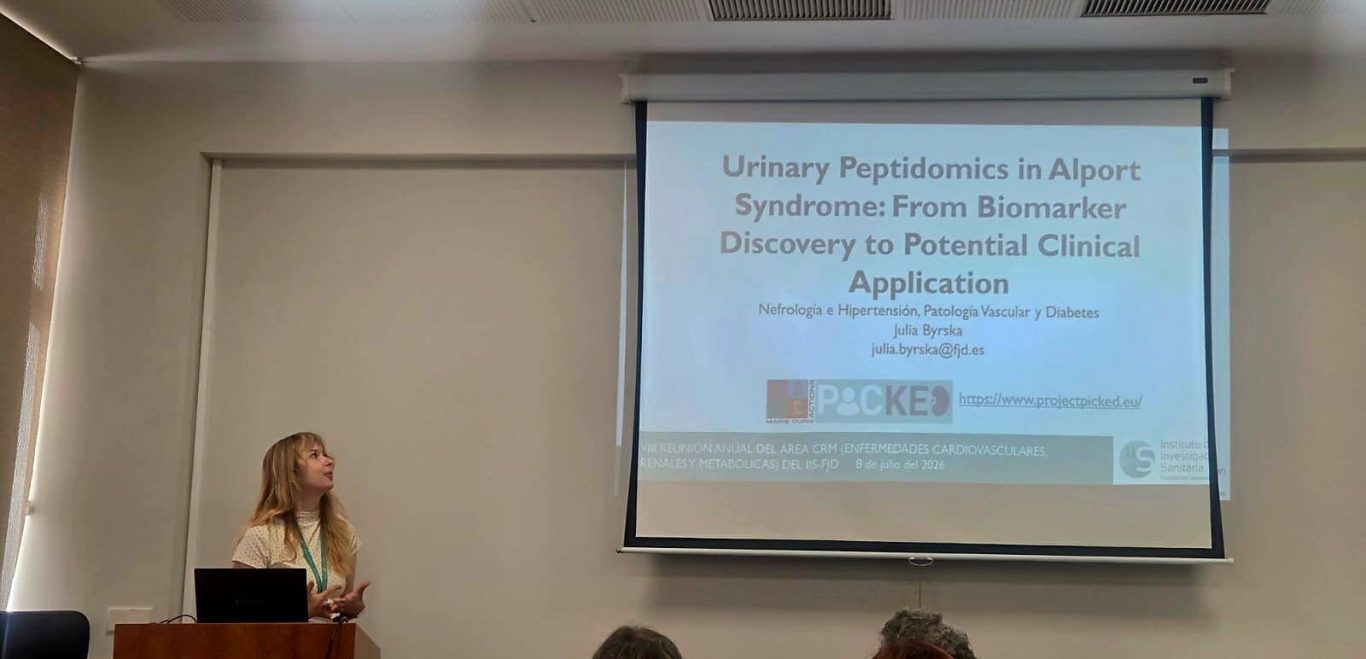
On 8 July 2026, PICKED Doctoral Candidate Julia Byrska presented her research at the 8th Cardiovascular, Renal and Metabolic Diseases (CRM) Area Meeting, highlighting the role of urinary peptide biomarkers in the non-invasive diagnosis of Alport syndrome.
During her presentation, Julia introduced the PICKED project and showcased her ongoing work on developing adult and paediatric urinary peptide classifiers for Alport syndrome. The research explores how urinary peptide signatures may support earlier, non-invasive diagnosis and contribute to more personalised clinical decision-making for patients with rare kidney diseases.
Bridging molecular research and clinical practice
Urinary peptidomics is an emerging field that analyses naturally occurring peptide fragments in urine. These molecular patterns can reflect biological processes such as tissue remodelling, fibrosis, and inflammation, offering insights that may not yet be visible through conventional clinical markers.
Within PICKED, these approaches are being investigated as part of a broader effort to improve precision medicine in chronic kidney disease by identifying novel biomarkers that support earlier diagnosis, better patient stratification, and more personalised treatment strategies.
Julia's presentation focused on the development of disease-specific peptide classifiers for both adult and paediatric patients with Alport syndrome and discussed their potential future application in routine clinical practice.
About the CRM Area Meeting
The Cardiovascular, Renal and Metabolic (CRM) Area Meeting brings together clinicians, researchers, and healthcare professionals working across interconnected cardiovascular, kidney, and metabolic diseases. These meetings provide an interdisciplinary platform for presenting new research, discussing emerging diagnostic approaches, and strengthening collaboration across medical specialties. The growing CRM concept reflects increasing recognition that cardiovascular, kidney, and metabolic diseases are closely linked and benefit from integrated research and patient care approaches.
Sharing PICKED research
Presenting research at institutional and international scientific meetings is an important part of the doctoral training within PICKED. Such opportunities enable doctoral candidates to communicate their findings, receive expert feedback, and foster collaborations that help translate innovative biomarker research into future clinical applications.
We congratulate Julia on her presentation and look forward to following the continued progress of her research within the PICKED project.
PICKED Doctoral Candidates Launch Peer Journal Club
21.07.2026
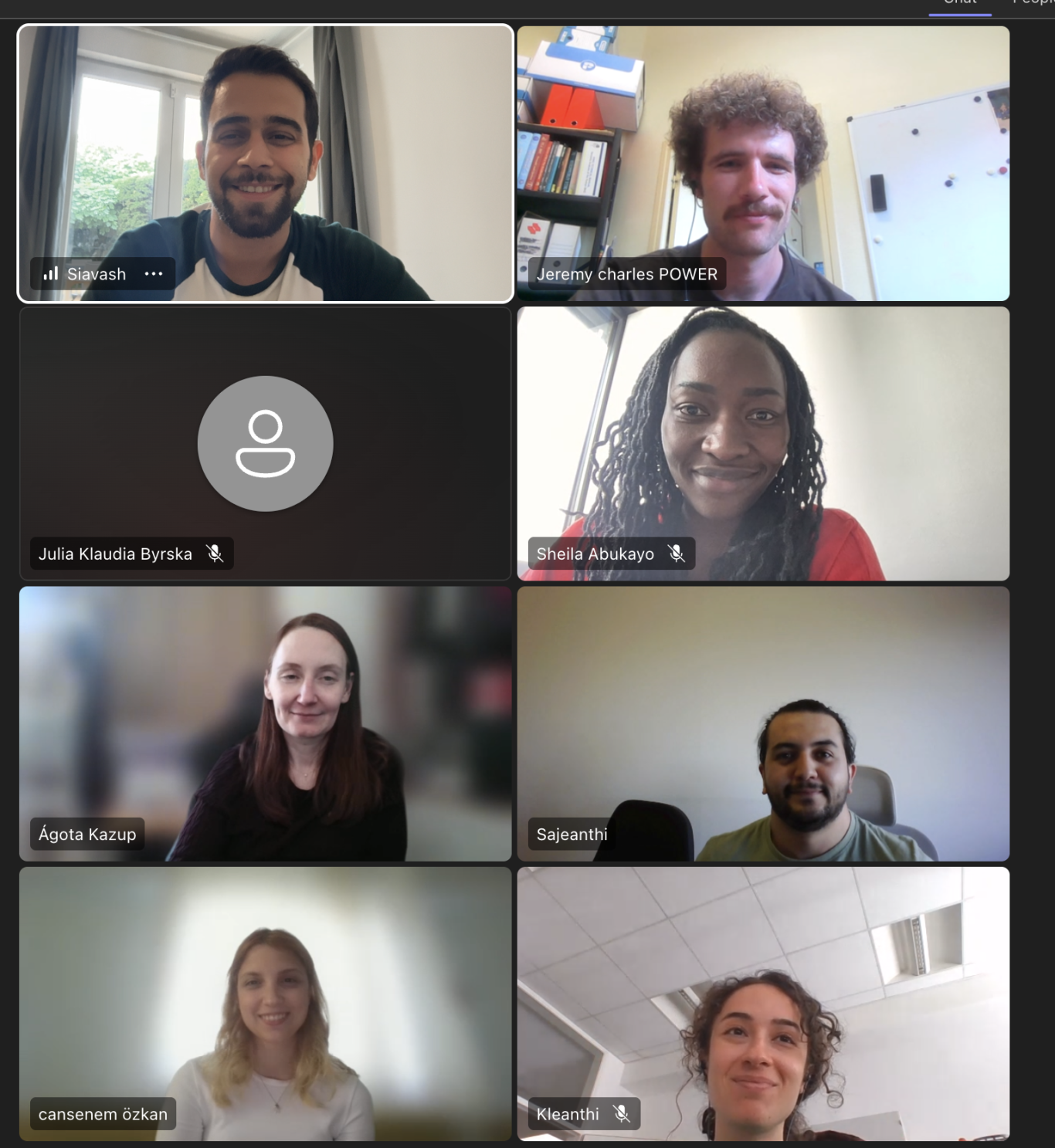
The PICKED Doctoral Candidates have launched a regular peer-led Journal Club, creating a new opportunity to exchange knowledge, discuss recent scientific publications, and strengthen collaboration across the network.
The initiative is organized by the doctoral candidates themselves and takes place according to their availability, providing an informal platform to explore topics related to personalized medicine, chronic kidney disease, biomarker research, clinical translation, and complementary scientific fields.
Beyond scientific discussions, the Journal Club also helps maintain strong connections between doctoral candidates working at different institutions across Europe and supports the collaborative spirit of the PICKED network.
At the same time, several doctoral candidates are currently undertaking international secondments, gaining hands-on experience in partner laboratories. Recent examples include Kleanthi during her secondment at Mosaiques Diagnostics (MOS) in Germany and Cansenem, who is currently completing her secondment at RD Nephrologie (RDN) in France.
These activities highlight one of the core strengths of PICKED: combining scientific excellence with international collaboration, knowledge exchange, and interdisciplinary training to prepare the next generation of researchers in personalized kidney medicine.
We look forward to sharing more updates from the doctoral candidates as their Journal Club and secondments continue throughout the project.
Jeremy Power Presents at UNESCO Symposium on Artificial Intelligence and Personalised Medicine
14.07.2026
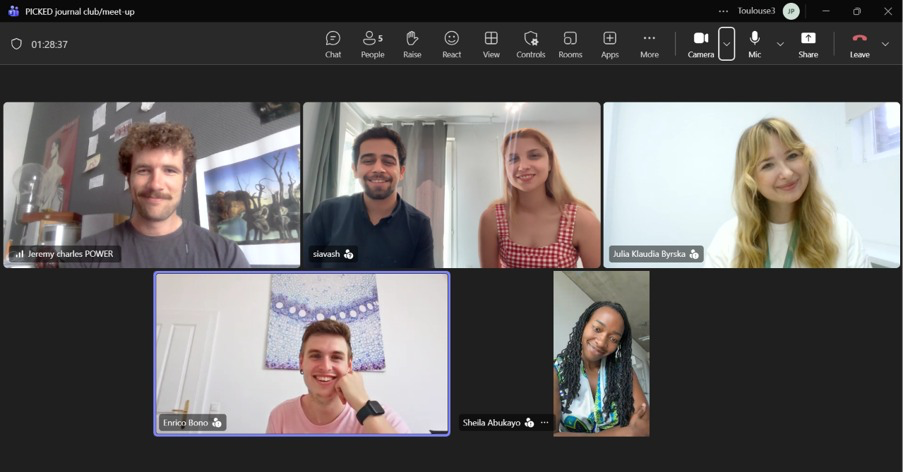
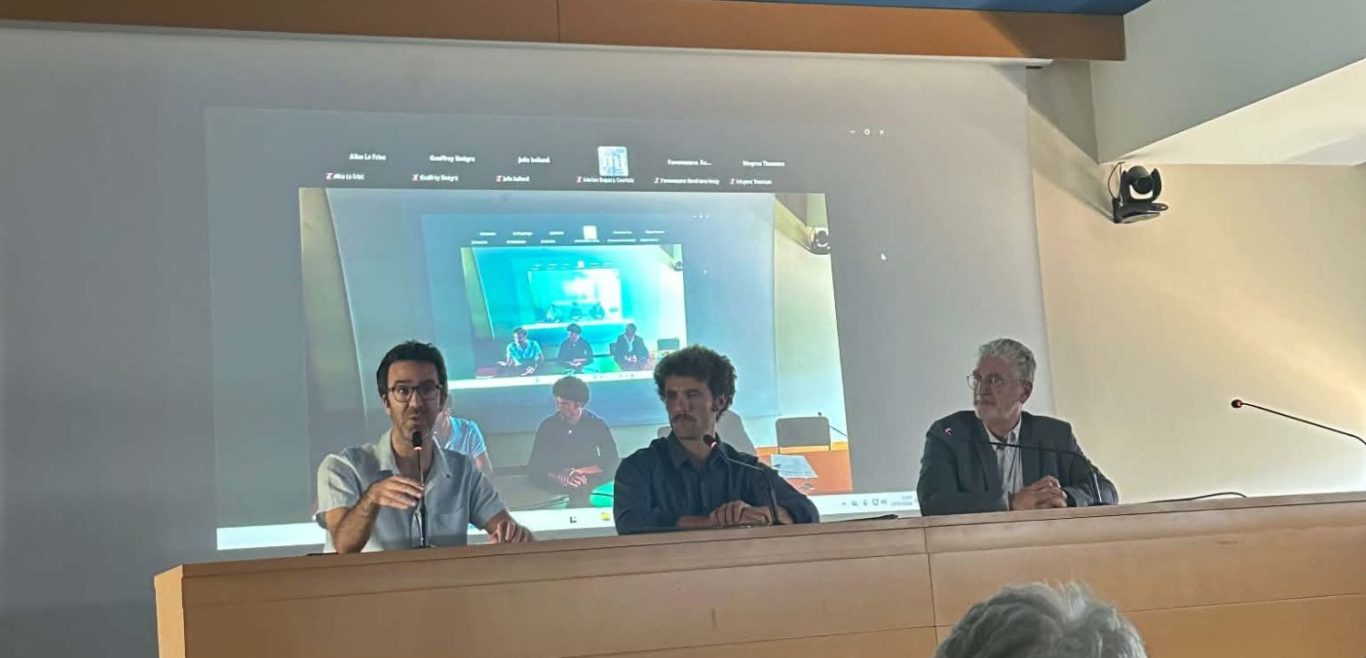
Doctoral Candidate Jeremy Power (Université de Toulouse, PICKED DC10) presented his work at the UNESCO Chair on Ethics, Science and Society (E2S) symposium, "Perspectives of Artificial Intelligence in Healthcare", held on 7 July 2026 at the Faculty of Health in Toulouse, France. The event brought together clinicians, researchers, legal experts, ethicists, and educators to discuss the growing role of artificial intelligence in healthcare and its ethical and societal implications.
Jeremy's presentation, titled "How do AI tools transform the vision of personalised medicine? A clinical ethics perspective," explored how the increasing use of artificial intelligence is reshaping personalised medicine. His talk focused on the ethical challenges and opportunities associated with AI-supported healthcare, highlighting the importance of maintaining patient-centred care while integrating rapidly evolving digital technologies.
The symposium formed part of the UNESCO Chair's broader initiative to examine the ethical, legal, and societal implications of emerging technologies in medicine. Discussions throughout the day addressed topics such as generative AI, digital health, avatars, digital twins, chatbots, and innovative applications in clinical care and medical education. The workshop also served as a satellite event to the UNESCO Chair's Summer School, fostering interdisciplinary dialogue between healthcare professionals, researchers, and policymakers.
Jeremy's participation highlights the interdisciplinary nature of the PICKED project, where technological innovation is closely linked with ethical reflection to ensure that advances in personalised medicine are implemented responsibly and equitably.
Congratulations to Jeremy on representing PICKED at this international symposium and contributing to the discussion on the future of artificial intelligence in healthcare.
From Risk Prediction to Biological Stratification in Pediatric Chronic Kidney Disease
23.06.2026
Sheila Murunga Presents Research at the ESCAPE Network Meeting 2026
At the ESCAPE Network Meeting 2026 in Heidelberg, PICKED Doctoral Candidate Sheila Murunga (Universitätsklinikum Heidelberg) presented her ongoing PhD work on improving risk prediction and biological stratification in children with chronic kidney disease (CKD).
Her research forms part of the PICKED project’s broader goal of advancing personalised medicine in chronic kidney disease by identifying biomarkers that can better predict disease progression and support more individualised patient care. The project specifically aims to develop and validate novel biomarkers and prediction tools for CKD progression and complications in both adult and pediatric populations.
Looking Beyond Traditional Clinical Markers
Current clinical assessment of pediatric CKD largely relies on measures such as estimated glomerular filtration rate (eGFR) and proteinuria. While these markers are essential for diagnosis, staging, and risk assessment, they provide only limited insight into the biological mechanisms driving disease progression.
A major challenge in pediatric CKD is the considerable variability in disease trajectories. Children with similar kidney function at baseline may experience very different outcomes over time. Sheila's work explores whether molecular biomarkers can help explain these differences and improve the prediction of future kidney and cardiovascular outcomes.
Identifying Promising Biomarkers
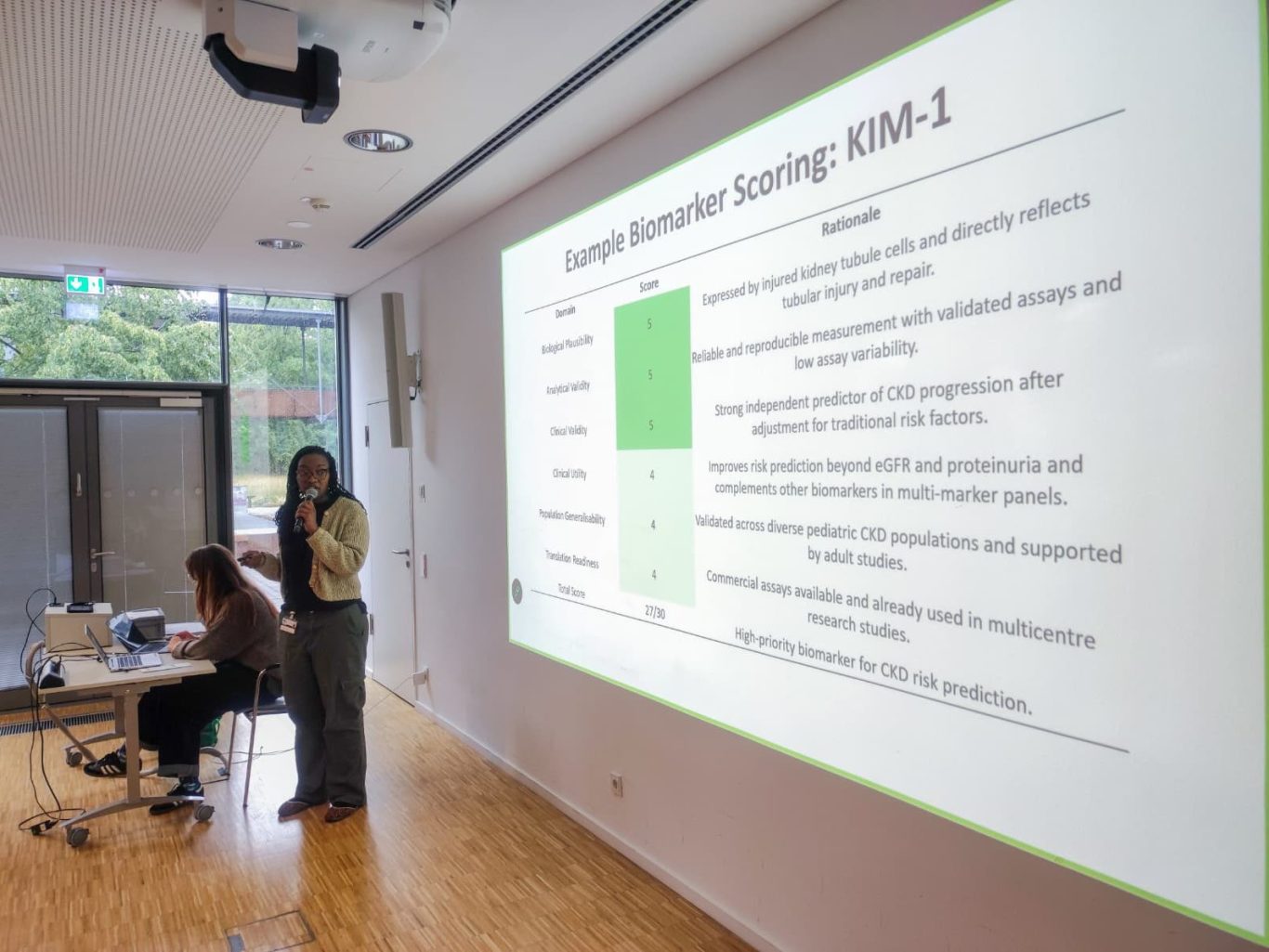
As part of her PhD project, Sheila conducted an extensive review of the scientific literature and identified approximately 60 candidate biomarkers linked to key CKD pathways, including:
- Tubular injury and repair
- Inflammation
- Fibrosis
- Oxidative stress
- Metabolic and toxic factors
- Mineral and bone disorders
Using a structured evaluation framework, biomarkers were assessed for biological relevance, analytical performance, clinical validity, clinical utility, generalisability, and readiness for future clinical implementation.
Among the biomarkers receiving particular attention are:
- KIM-1 (Kidney Injury Molecule-1) – marker of tubular injury
- TNFR-1 and TNFR-2 – markers of inflammation and immune activation
- MMP-2 – associated with extracellular matrix remodelling and fibrosis
- TGF-β1 – involved in fibrosis and tissue repair processes
From Risk Prediction to Biological Stratification
A central theme of the presentation was the transition from traditional risk prediction towards biological stratification.
Rather than relying solely on clinical measurements, biological stratification aims to identify the underlying molecular processes driving disease progression in individual patients. This approach may ultimately enable clinicians to better distinguish between different progression pathways and tailor monitoring and treatment strategies accordingly.
Supporting the Goals of PICKED
Sheila's work directly contributes to the objectives of PICKED, which seeks to equip a new generation of researchers with interdisciplinary skills to advance personalised medicine in chronic kidney disease and improve patient stratification, prediction of disease progression, and treatment optimisation.
The ESCAPE Network Meeting provided an excellent opportunity to share preliminary findings, receive feedback from experts in pediatric nephrology, and strengthen collaborations across the European kidney research community.
We congratulate Sheila on her presentation and look forward to following the next stages of her research.
PICKED at the ERKNet Annual Meeting 2026 in Lyon
07.05.2026
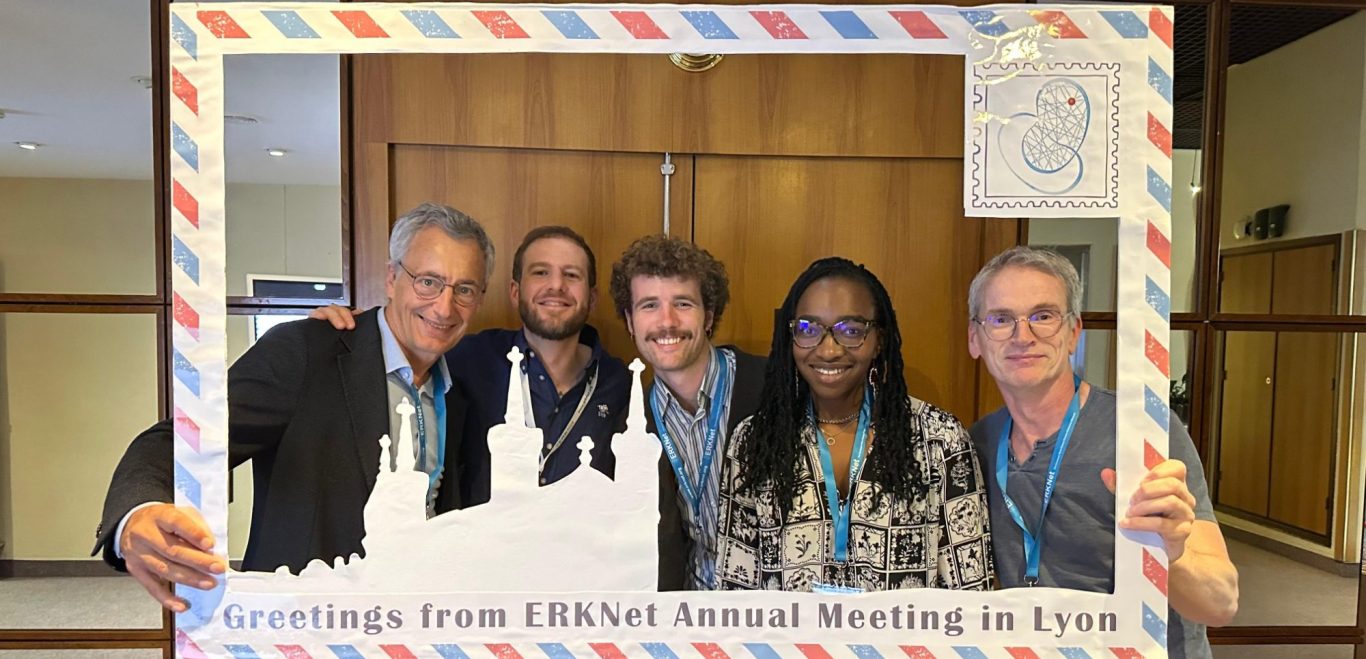
Members of the PICKED consortium attended the ERKNet Annual Meeting 2026 in Lyon, France, joining more than 150 specialists, clinicians, researchers, registry experts, patient representatives (ePAGs), and international collaborators working across the field of rare kidney diseases. The meeting brought together participants from across Europe and beyond for three days of scientific exchange, collaboration, and strategic discussions on the future of nephrology research and care.
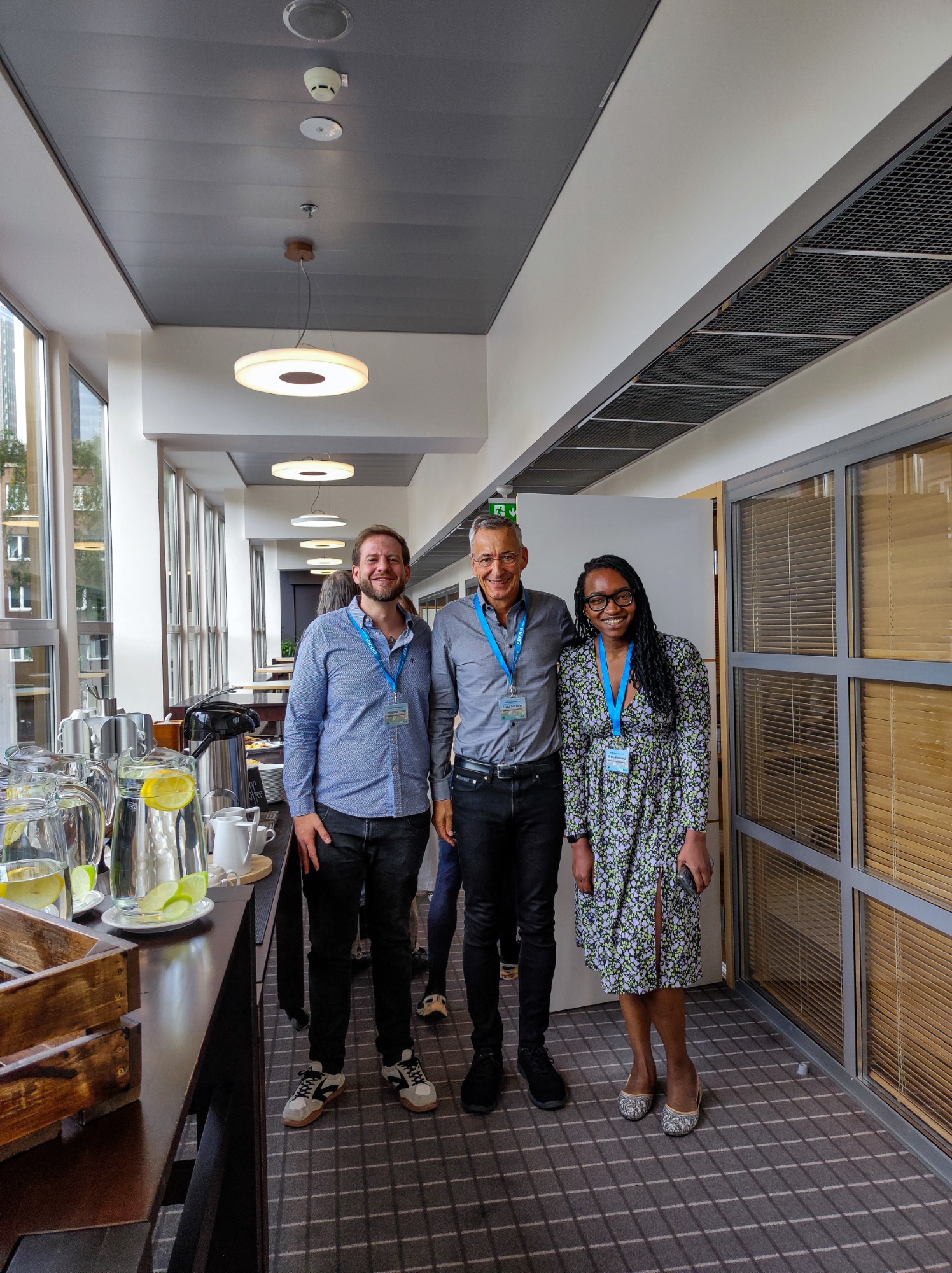
Representing PICKED at the meeting from left to righ:
- Franz Schaefer (University Hospital Heidelberg / ERKNet Coordinator & PICKED partner)
- Johannes Trapp (University Hospital Heidelberg / Project Management)
- Jeremy Power (Université de Toulouse / PICKED Doctoral Candidate)
- Sheila Murunga (University Hospital Heidelberg / PICKED Doctoral Candidate)
- Joost Schanstra (Inserm / PICKED Coordinator)
The annual meeting featured sessions on:
- registry-based research and collaborative studies
- AI and diagnostics in rare kidney disease
- omics and biomarker development
- advanced therapies and clinical trial readiness
- patient engagement and ePAG activities
- translational and cross-border research collaboration
A highlight for the PICKED team was the active contribution of Jeremy Power and Sheila Murunga, who both presented and discussed their ongoing work within the project.
Jeremy Power shared his research on decision-making and diagnostic uncertainty in the prenatal diagnosis of CAKUT, contributing to wider discussions on personalised medicine, ethics, and patient-centred care.
Sheila Murunga presented her work on paediatric CKD risk prediction and validation cohort development, highlighting the importance of improving stratification and moving toward more personalised approaches in paediatric nephrology.
Beyond the scientific sessions, the meeting provided valuable opportunities for:
- strengthening collaborations across ERKNet and Horizon Europe projects
- connecting with clinicians and researchers from multiple disciplines
- exchanging ideas with patient representatives and advocacy groups
- discussing future research, training, and dissemination activities
The event also reinforced the importance of integrating:
- molecular and clinical research
- ethics and patient perspectives
- registries and real-world data
- translational science and implementation pathways
For the PICKED consortium, participation in the ERKNet Annual Meeting was an important opportunity to showcase ongoing doctoral candidate work, strengthen visibility within the nephrology community, and further connect personalised medicine research with real-world clinical needs.
The next ERKNet Annual Meeting will take place in Heidelberg, Germany, from 26–28 April 2027.
DC Spotlight: Julia Byrska, advancing multi-omics insights in Alport syndrome
05.05.2026
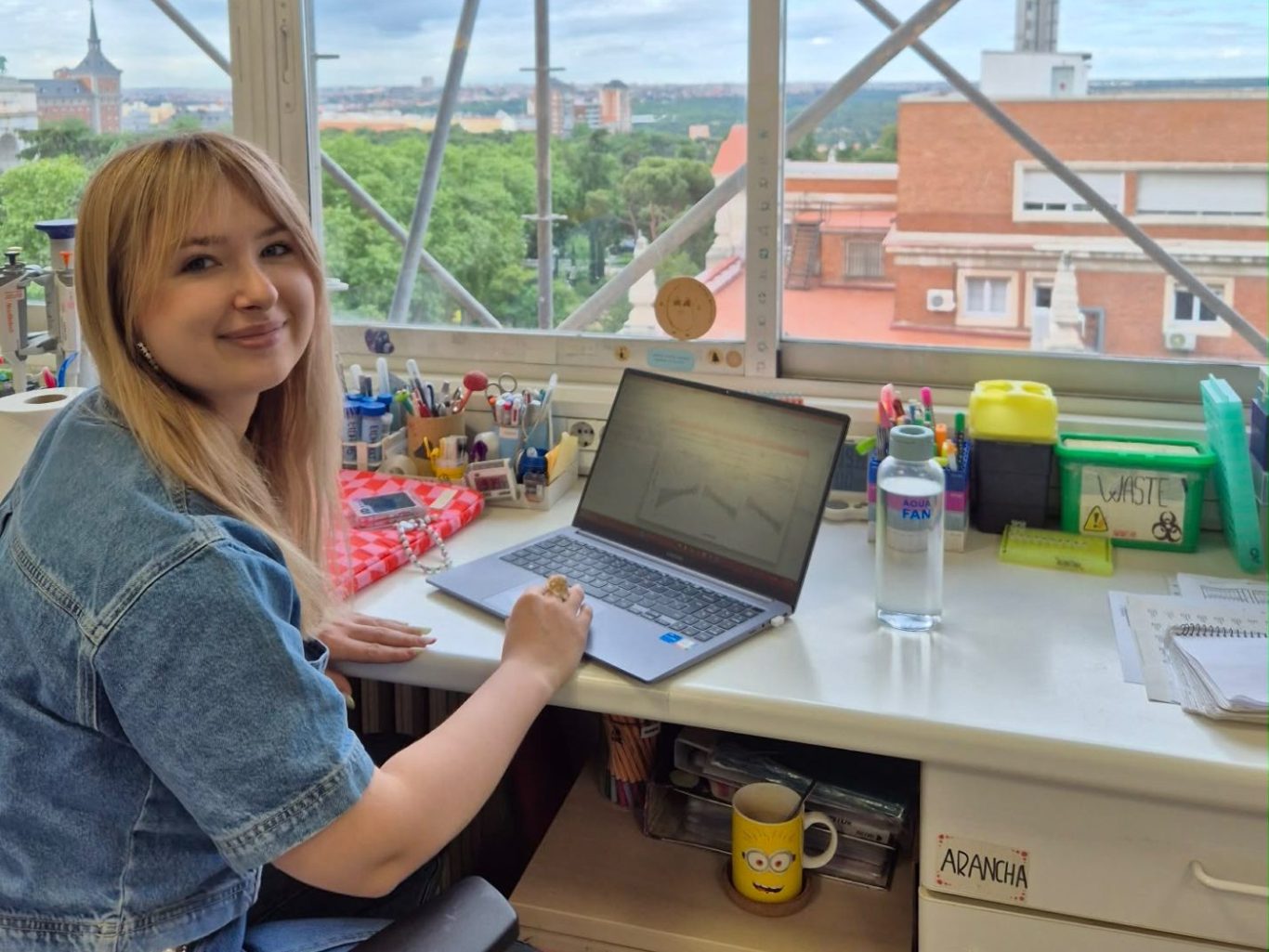
As part of the PICKED project, Julia Byrska (Doctoral Candidate) is working at the intersection of multi-omics integration, biomarker discovery, and clinical translation to better understand and manage Alport syndrome, a rare genetic kidney disease that often leads to progressive kidney failure.
Research focus: integrating multi-omics to understand disease progression
Julia’s work centres on integrating multi-omics data to uncover the molecular mechanisms driving disease progression in Alport syndrome. By combining different layers of biological information, such as proteomics and other omics dat, her research aims to move beyond single markers toward a systems-level understanding of disease.
This approach is key for:
- identifying early molecular changes before clinical decline
- understanding pathway-level mechanisms driving progression
- supporting more precise patient stratification
From discovery to diagnostics: urinary peptide-based classifier
Alongside her multi-omics work, Julia is preparing a manuscript on a urinary peptide-based classifier in children, developed in collaboration with Mosaiques Diagnostics and the RF-lab.
This classifier is designed to:
- enable earlier detection of disease
- improve diagnostic precision in paediatric patients
- support risk stratification based on molecular signatures
Such tools are a key step toward translating complex biological data into clinically actionable diagnostics.
Current activities: dissemination and collaboration
Julia is currently preparing to present her work at the ERA Congress in Glasgow, while also expanding collaborations with researchers across the field. These exchanges are essential for validating findings, sharing expertise, and accelerating progress toward clinical application.
What drives her
For Julia, the most rewarding moments come when research moves beyond statistical signals and starts to show real-world relevance:
“What excites me most are those moments when the results start to look genuinely meaningful, not just statistically significant, but actually useful. I’m especially motivated by findings that could translate into better diagnostics or even new therapeutic approaches. The idea that this work could eventually improve patients’ quality of life is what keeps me going.”
Why this matters
Alport syndrome remains a condition where early diagnosis and precise monitoring are critical but still limited. By combining multi-omics approaches with urinary biomarker development, Julia’s work contributes to a broader goal of the PICKED project:
👉 moving from late detection to early, personalised intervention
👉 turning complex data into practical tools for clinicians
👉 ultimately improving patient outcomes and quality of life
DC Spotlight: Enrico Bono, modelling the AKI-to-CKD transition with network biology and AI
28.04.2026
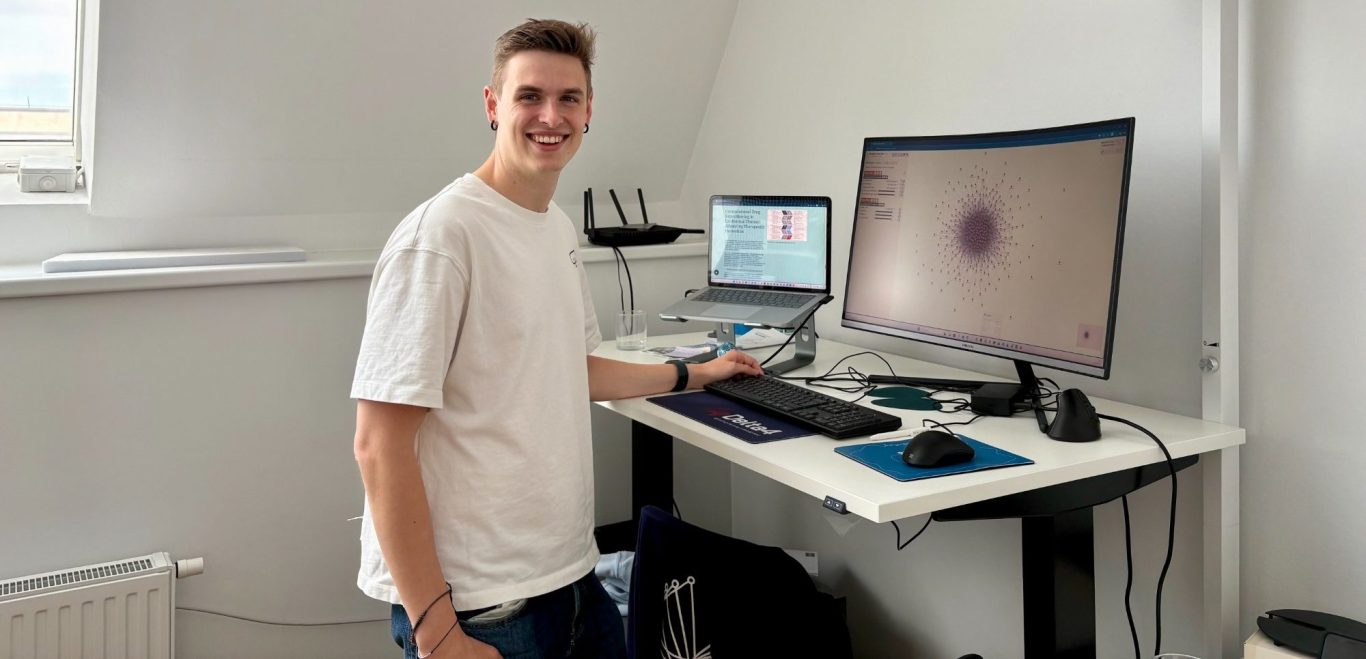
As part of the PICKED project, Enrico Bono is developing a computational framework to better understand one of the most important, and still under-resolved, clinical trajectories in nephrology: the transition from acute kidney injury (AKI) to chronic kidney disease (CKD).
AKI is often treated as a discrete event. But for many patients, an AKI episode marks the start of a longer disease pathway, increasing the risk of progressive CKD and its complications. Enrico’s work addresses this challenge with systems biology, network-based modelling, and AI-driven discovery approaches.
PhD research focus: a network-based in silico model of AKI → CKD
Enrico’s PhD centres on building a network-based molecular disease model of the AKI-to-CKD transition. The goal is to create a systems-level map of the pathways and interactions driving progression, enabling:
- deeper insight into molecular mechanisms underlying disease progression
- prioritisation of biomarkers linked to key pathogenic pathways
- identification of therapeutic targets for intervention
- new treatment opportunities via drug repurposing and combination therapy strategies
In practice, this means moving beyond single markers and looking at the disease as an interconnected biological system, where pathways, feedback loops, and network “hubs” can reveal more actionable leverage points.
Research progress and current work
Enrico’s PhD began with the development of network-based molecular disease models of the AKI-to-CKD transition. These models form the foundation of a broader analytical framework designed to support downstream biomarker discovery and therapeutic exploration.
In parallel, Enrico contributed to the development of Graph Lens Lite, an interactive platform to display, explore, and share biological networks and drug mechanism-of-action models. This tool supports transparent, interpretable exploration of complex disease networks and is directly useful for visualising AKI-to-CKD pathobiology.
Reference: doi:10.64898/2026.02.25.708026
He also worked on a technology-focused project benchmarking text summarisation methods for biomedical literature, an important step toward scalable evidence synthesis in fast-moving research areas.
Reference: doi:10.64898/2026.01.09.697335
Current focus: Enrico is now building a target identification and prioritisation pipeline to uncover novel therapeutic opportunities for the AKI-to-CKD transition, integrating AI-driven methods with computational systems biology to systematically evaluate and rank potential intervention points.
First secondment: Mosaiques Diagnostics, urinary peptides across AKI and CKD
During his first secondment at Mosaiques Diagnostics, Enrico investigated urinary peptide profiles in AKI and CKD to:
- identify peptides shared across both conditions that may be involved in the AKI-to-CKD transition
- explore links between tissue-specific differential regulation and urinary peptide patterns observed during progression
This work connects molecular modelling to real biological signals, supporting translation from network hypotheses to measurable biomarker candidates.
What drives him
For Enrico, the strongest motivation is working at the interface of technology development and biomedical research, where each accelerates the other.
As he puts it:
“What excites me most about my role in Delta4 is the opportunity to work at the intersection of technology development and biomedical research. I like that these two aspects go hand in hand: better technology helps us improve research, and research itself pushes us to develop better tools.”
Why it matters for personalised kidney care
Understanding the AKI-to-CKD transition is essential for earlier identification of patients at risk of progression and for targeted intervention strategies. Network-based models and AI-driven prioritisation pipelines can help translate complexity into actionable insights, supporting the long-term aim of more predictive, mechanism-informed, personalised kidney care.
DC Spotlight: Sheila Murunga building the validation cohort for paediatric CKD risk prediction
16.04.2026
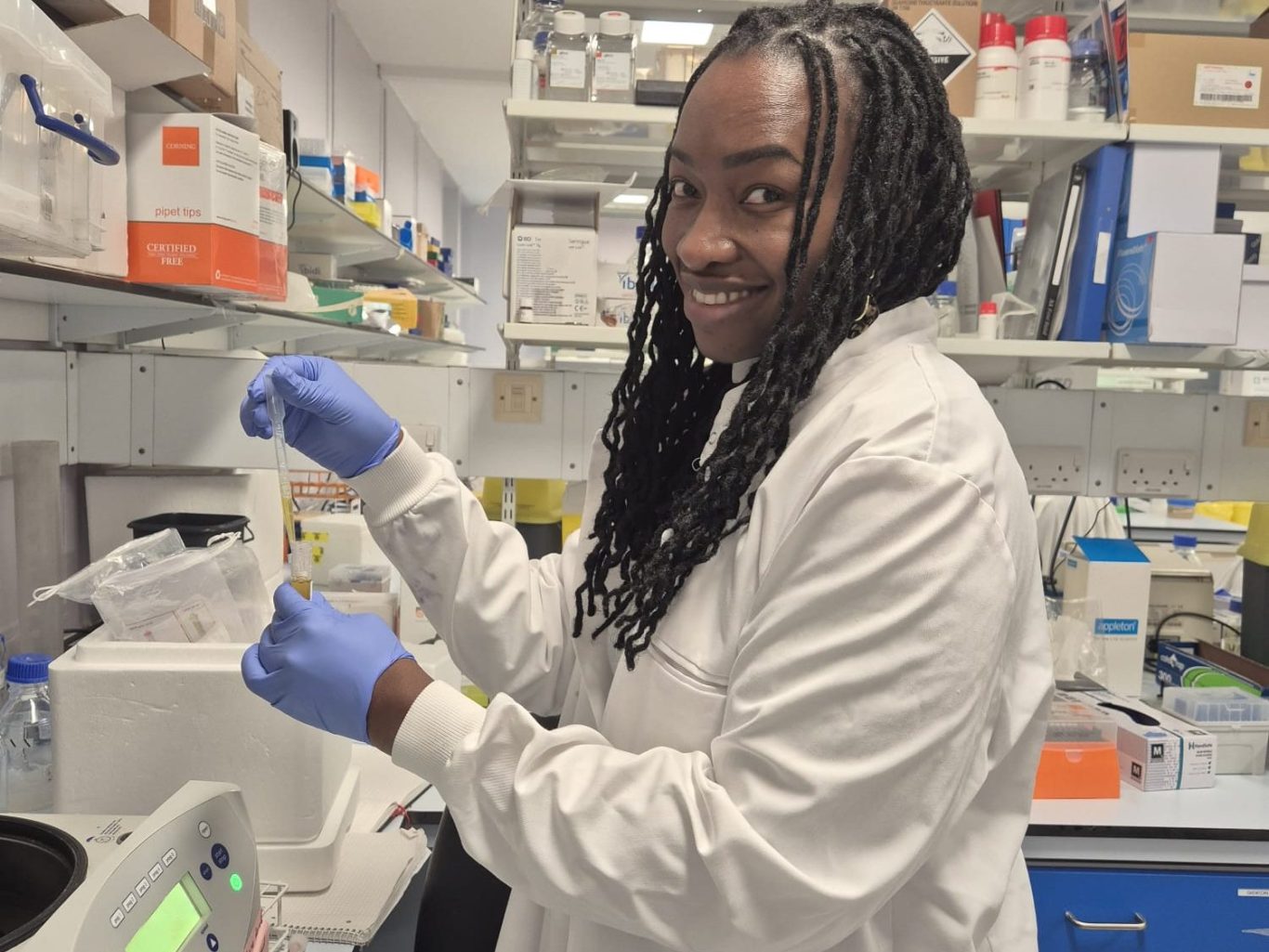
As part of the PICKED project, Sheila Abukayo Murunga (DC7) is advancing her PhD work on improving individual risk prediction for kidney and cardiovascular outcomes in paediatric chronic kidney disease (pCKD). Her research connects two critical steps in biomarker science: strong clinical risk models and biological stratification, moving beyond “one marker fits all” approaches.
From established markers to stronger prediction
In her work, Sheila examines how established urine markers, uACR (albumin-to-creatinine ratio) and uPCR (protein-to-creatinine ratio), perform in predicting paediatric CKD progression. In her presentation, she highlights practical conclusions for clinical monitoring: prioritising uACR for risk monitoring, aligning with guideline emphasis on albuminuria, and considering uACR as a potential surrogate endpoint in trials.
Why go beyond traditional biomarkers?
A central motivation in Sheila’s project is the clinical reality that children with similar baseline kidney function can follow very different trajectories. While eGFR and albuminuria/proteinuria support risk stratification, they offer limited insight into key biological mechanisms, such as tubular injury/repair and fibrosis pathways, that may drive progression.
To address this, her work draws on a broad biomarker landscape. A scoping review identified ~60 candidate biomarkers across pathways including tubular injury/repair, inflammation, fibrosis, oxidative stress, and more, supporting a targeted selection strategy for deeper phenotyping.
Current focus: recruitment and sample collection at Great Ormond Street Hospital
Sheila is currently working on patient recruitment and sample collection for the validation cohort with the team at Great Ormond Street Hospital for Children. This step is essential for strengthening and validating findings originating from the 4C cohort, and for ensuring that promising signatures generalise to real-world settings.
As Sheila puts it:
“What excites me most is the opportunity to collaborate with experts across Europe and the UK… I am especially looking forward to analyzing the validation cohort data and planning the next steps.”
What’s next
Looking ahead, Sheila’s pipeline includes:
- robust trajectory-based stratification using model-based eGFR slope (to reduce noise and capture patient-level variability),
- matched comparisons of fast vs slow progressors, and
- testing biomarker panels aimed at linking clinical trajectories to underlying biology.
This combination, validation cohort generation + mechanism-informed biomarkers,is exactly what’s needed to move from prediction to actionable personalised care in paediatric CKD.
PICKED Webseminars: Doctoral Candidates Present Their Research
31.03.2026
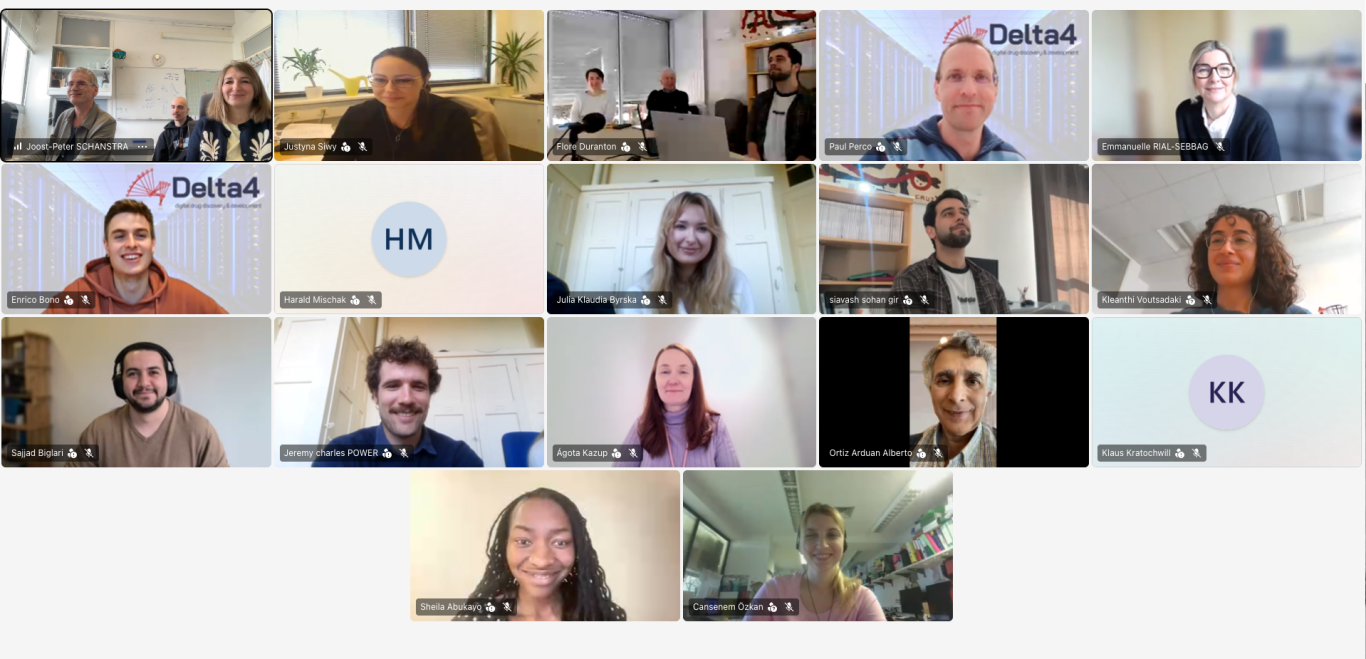
The PICKED consortium recently held a series of internal webseminars, bringing together doctoral candidates (DCs), supervisors, and partners for focused scientific exchange and discussion.
Across two dedicated sessions, DCs presented the progress of their research projects, highlighting methodological approaches, first results, and upcoming milestones. Each presentation was followed by an interactive discussion, allowing supervisors and consortium members to provide feedback and guidance.
Two sessions, focused exchange
The webseminars were structured over two days, with five presentations per session. This format ensured sufficient time for both presentation and discussion, fostering a productive and engaging scientific environment.
Topics covered reflected the interdisciplinary nature of PICKED, ranging from biomarker discovery and omics approaches to clinical data integration and personalised medicine strategies.
Strengthening collaboration and scientific dialogue
The sessions provided an important platform for:
- Sharing progress across work packages
- Aligning methodologies and research directions
- Encouraging cross-institutional collaboration
Supervisor participation played a key role in enriching discussions and supporting the doctoral candidates in refining their projects.
Looking ahead
These webseminars are part of the ongoing training and networking activities within the PICKED project, complementing in-person meetings and workshops.
The next opportunity for in-depth exchange will be the upcoming consortium meeting in Tallinn (15–16 September), where partners and doctoral candidates will continue to advance the project’s scientific objectives together.
Public awareness stand in Agde: kidney screening and prevention outreach (NDSG)
19.03.2026
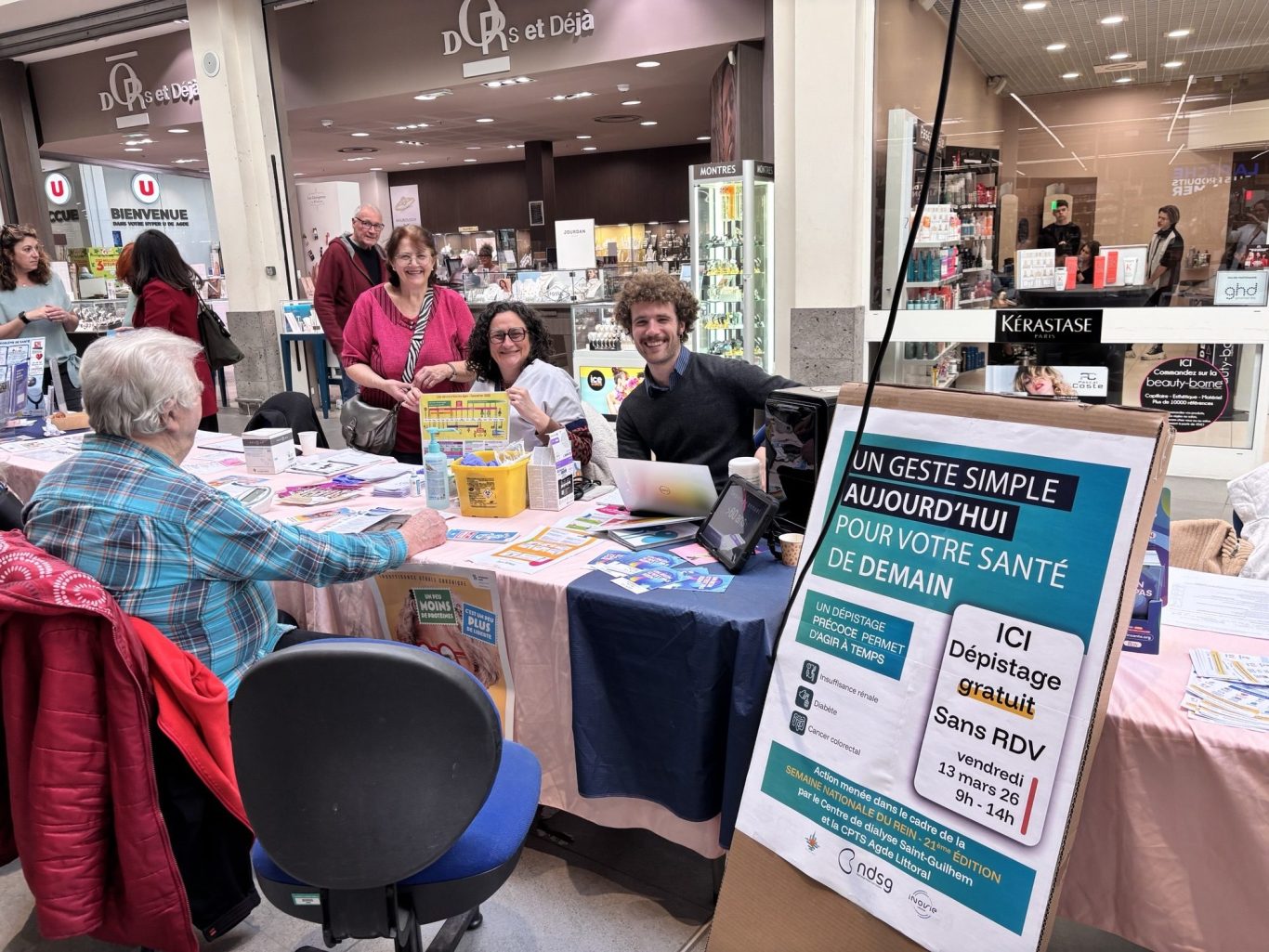
On Friday 13 March 2026, Jeremy Power supported the team at Néphrologie Dialyse Saint-Guilhem (NDSG) in running a kidney screening and public awareness stand at a local supermarket in Agde (France). The goal was simple: meet people where they are, raise awareness that kidney disease can be silent, and encourage early testing for those at risk.
Why screening matters
A key message highlighted during the stand is that kidney disease can remain “silent” for a long time:
- it doesn’t hurt
- there may be no symptoms
That’s exactly why early testing is so important, it can help people act earlier, avoid complications, and protect kidney health.
What the stand offered
The outreach materials explained that kidney screening can be quick and painless, typically based on:
- a urine dipstick test (simple and rapid)
- a blood test measuring creatinine (used to estimate kidney function)
These checks help identify early signs of kidney problems before symptoms appear.
Core prevention messages shared
The brochure also reinforced practical everyday steps to protect kidney health, including:
- drink water
- monitor blood pressure and diabetes
- eat less salt (especially processed/ready-made foods)
- be physically active (≈30 min/day)
- stop smoking
It also explained, in plain language, what kidneys do every day:
- clean the blood
- remove waste
- help maintain strong bones
- support normal blood pressure
- keep the right balance of water and salt
Who should consider screening?
The materials emphasized that screening is especially recommended for people who:
- have diabetes
- have high blood pressure
- have heart problems
- smoke (tobacco)
- are over 60
- have recurrent urinary infections
- have a family history of kidney disease
- are overweight
A shared message: care today, protect tomorrow
The brochure closes with a message that fits the purpose of World Kidney Day activities perfectly:
“Taking care of your kidneys today is protecting yourself for tomorrow.”
DC Spotlight: Cansenem Özkan (BRFAA) — Proteomics biomarkers for CKD progression and treatment response
11.03.2026
Within PICKED, Cansenem Özkan is a PhD student hosted by the Biomedical Research Foundation of the Academy of Athens (BRFAA). Her work sits at the core of personalised nephrology: developing and validating biomarkers that can help clinicians move from “where a patient is today” to “where they are likely to go next” and how they respond to treatment along the way.
Turning urine and plasma into actionable signals
Cansenem’s research focuses on validating urinary and plasma protein biomarkers to:
- predict chronic kidney disease (CKD) progression, and
- monitor treatment response.
To do this, she uses advanced multiplex mass spectrometry–based assays, enabling high-resolution measurement of many peptides at once. Her specific interest is in post-translational modifications (PTMs) — chemical changes to proteins and peptides that can reflect underlying biology and disease pathways. In PICKED, these PTM patterns are investigated as peptide molecular “signatures” that may become powerful prognostic and predictive tools to refine diagnostic precision.
First secondment: Mosaiques Diagnostics GmbH — oxidation as a disease signal
Cansenem completed her first secondment at Mosaiques Diagnostics GmbH, where she explored methionine oxidation in naturally occurring peptides. This work supported urinary oxidised peptides as a potential read-out of oxidative stress — a key process implicated in both CKD and acute kidney injury (AKI).
Importantly, the project goes beyond a single snapshot. The ongoing analysis examines how these oxidation patterns may change across disease stages, potentially offering a dynamic marker that reflects evolving pathology over time.
Cansenem is currently finalising a manuscript describing these findings, including how oxidation signatures evolve across different stages of kidney disease.
Next step: upcoming secondment at RD Néphrologie SAS
In parallel, Cansenem is preparing for her upcoming secondment at RD Néphrologie SAS, where she will continue expanding her expertise at the interface of proteomics technology and clinically meaningful biomarker discovery.
What drives her
For Cansenem, the complexity of the data is matched only by the potential for real-world impact. As she puts it:
“What excites me the most coming back to my desk every morning, is being a part of the future of personalised medicine in CKD. Working with state-of-the-art technology, I hope to touch the lives of people I care about, even those I may never personally meet.”
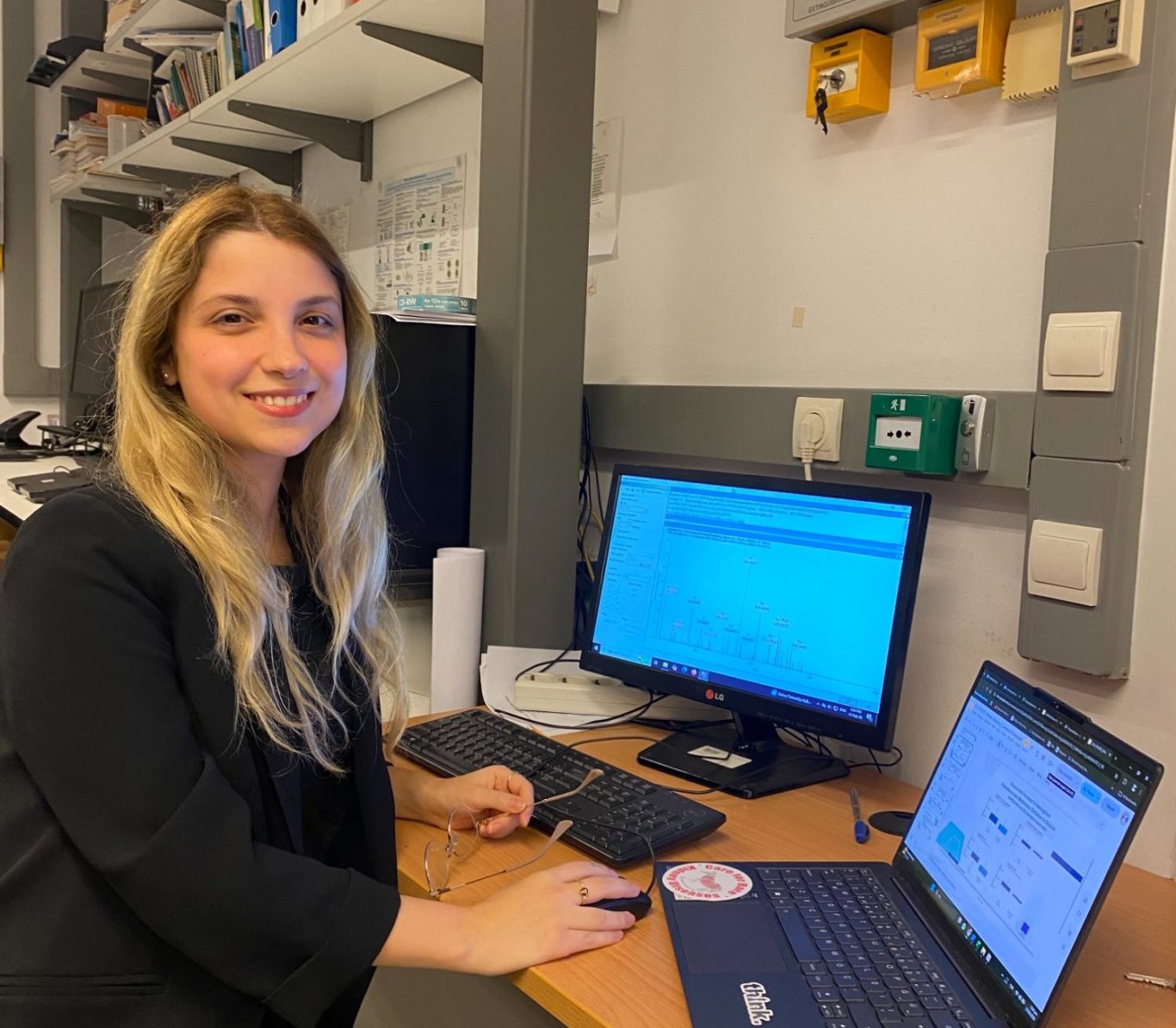
In the photo, Cansenem is shown in her “daily corner,” where the real work happens: carefully inspecting spectra for potential candidate peptides, and ensuring each data point is accurate, reproducible, and biologically meaningful — the kind of precision work that underpins reliable biomarkers.
Why this matters for personalised kidney care
CKD progression is highly variable, and treatment response is not one-size-fits-all. Biomarkers that capture disease biology, including PTMs and oxidative stress signals, have the potential to support:
- earlier risk stratification
- more tailored monitoring strategies
- improved prediction of outcomes
- better matching of therapies to patients
Cansenem’s work contributes directly to PICKED’s mission: accelerating the path toward precision diagnostics and personalised care in CKD.
DC Spotlight: Jeremy Power
Decision-making under uncertainty in prenatal CAKUT
03.03.2026
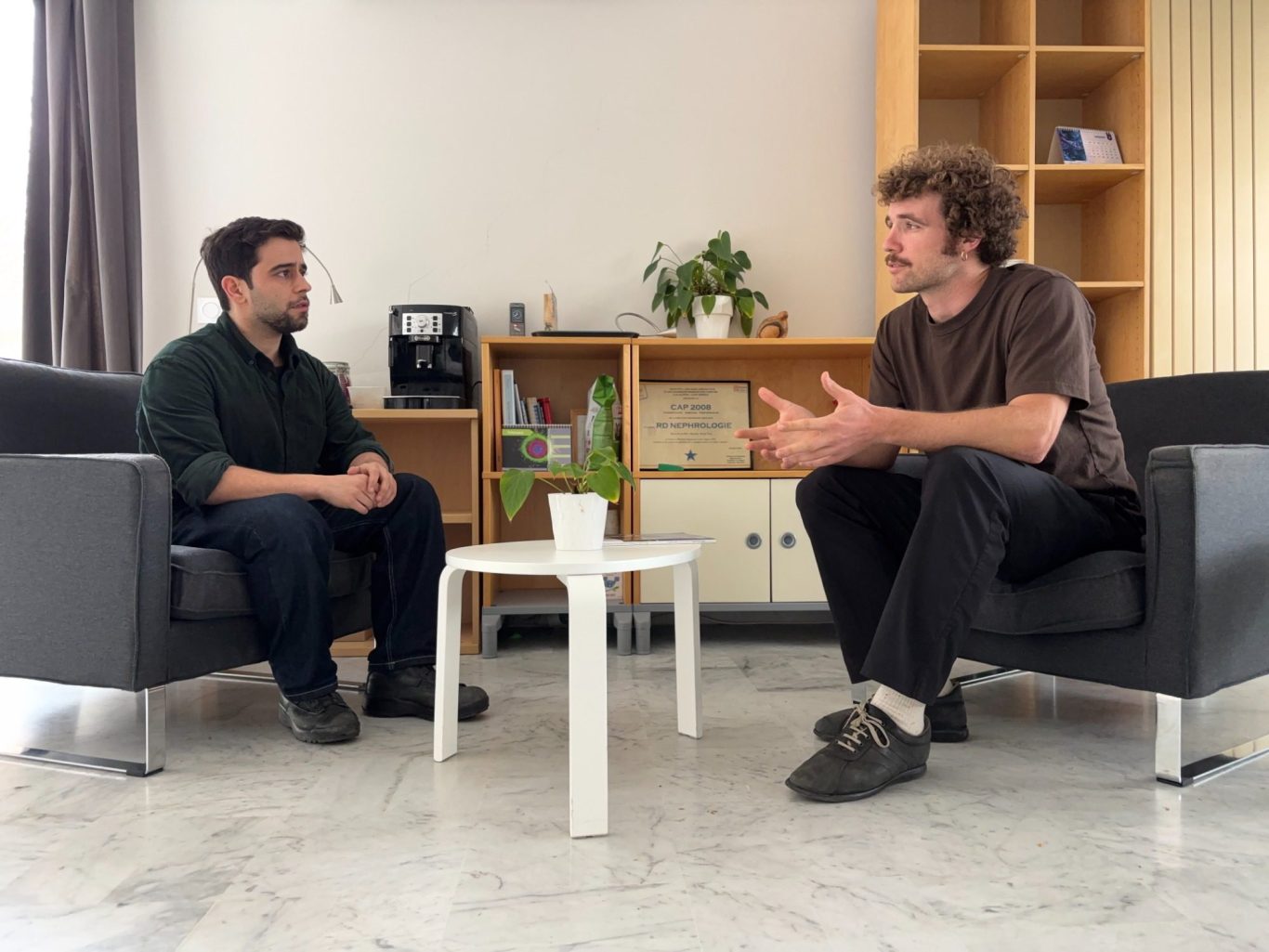
Within PICKED, doctoral candidate Jeremy Power (Université de Toulouse) is investigating a topic at the intersection of nephrology, prenatal diagnostics, and ethics: how diagnostic uncertainty influences decision-making in pregnancy when congenital anomalies of the kidney and urinary tract (CAKUT) are suspected or detected.
As Jeremy explains, “This study aims to understand the decision-making process of prenatal detection of CAKUT, including whether patients and professionals prefer tests with higher specificity or sensitivity.”
Prenatal screening and diagnostic tests can provide early information about fetal kidney and urinary tract development. But CAKUT covers a broad spectrum, from findings that may resolve spontaneously to conditions associated with significant long-term kidney risk. This variability makes counselling and decision-making particularly complex for clinicians and families.
Why “uncertainty” matters in prenatal CAKUT
- Even when tests are technically accurate, results may still leave open questions:
- How severe is the anomaly likely to be?
- What is the expected kidney function after birth?
- What follow-up and treatment could be needed, and when?
- How do families weigh risks, values, and available options?
Jeremy’s research focuses on how this uncertainty shapes the choices made by both healthcare professionals and families, and how future diagnostic tools should be implemented to support clearer, more personalised counselling.
Sensitivity vs specificity: what do stakeholders prefer?
A key component of the study explores whether patients and professionals prefer tests with:
- Higher sensitivity (fewer missed cases, but more false positives), or
- Higher specificity (fewer false positives, but potentially more missed cases)
Understanding these preferences is crucial when introducing new technologies, because the “best” test on paper may not align with what stakeholders consider most acceptable in real decision contexts.
How the study is being conducted
Over the coming year, Jeremy will gather perspectives from across the full decision pathway through interviews with:
- scientists and laboratory professionals who generate prenatal test results
- clinicians who interpret results and counsel pregnant individuals/couples
- parents of children diagnosed prenatally with CAKUT
- individuals who chose to terminate a pregnancy following a positive CAKUT diagnosis
- adults living with CAKUT
In parallel, a questionnaire for clinicians across Europe will examine current clinical practices, beliefs, and attitudes regarding prenatal CAKUT diagnosis and counselling. Together, these data will help map how decisions are made in different settings and where support tools could have the most impact.
Supporting implementation of a PICKED diagnostic innovation
The broader aim is to translate these insights into practical recommendations for implementing a personalised peptide-signature-based diagnostic test being developed by the PICKED consortium. By explicitly evaluating both benefits and risks, including how results may influence decisions, Jeremy’s work helps ensure that innovation is introduced responsibly and in a patient-centred way.
Secondment in Montpellier: quality-of-life focused renal care
Jeremy is currently undertaking a secondment at RD Nephrologie in Montpellier, where he is investigating comprehensive conservative management for renal failur, an option that can be offered as an alternative to dialysis or transplantation for individuals who decide not to pursue renal replacement therapy.
In this workstream, he is collaborating with healthcare professionals to develop personalised care plans that prioritise quality of life, symptom management, and supportive decision-making.
Looking ahead
By combining insights from prenatal decision-making and patient-centred renal care, Jeremy’s work contributes to a central mission of the PICKED project: moving from “one-size-fits-all” pathways to personalised approaches that reflect both biology and lived experience.
Rare Disease Day: Why Rare Can’t Stay “Rare” in Our Health Systems

28.02.2026
Every year, Rare Disease Day shines a spotlight on millions of people whose conditions are individually uncommo, but collectively represent a major public health challenge. “Rare” does not mean “small.” For many patients and families, rare disease means years of uncertainty, repeated referrals, and a constant effort to access the right expertise and care.
The “zebra” matters
In clinical training, we often hear: “When you hear hoofbeats, think horses, not zebras.”
It’s a useful reminder to start with common diagnoses. But for rare disease patients, being the “zebra” can mean being overlooke, sometimes for far too long. Rare Disease Day is a call to improve how we recognize zebras earlier and support them better once identified.
What patients and families live with
Rare diseases frequently involve:
- Long diagnostic journeys (often with multiple misdiagnoses)
- Fragmented care across specialties and institutions
- Limited evidence to guide treatment decisions
- A heavy advocacy burden for access, referrals, and support
Behind each diagnosis is a family navigating medical, emotional, practical, and financial strain, often while trying to explain a condition many clinicians may encounter only once in their career.
Why rare diseases are a blueprint for better medicine
Rare diseases don’t just highlight gaps. they also point the way forward. Because they often have clearer underlying mechanisms, they can accelerate progress in:
- Precision diagnosis (including genetics and molecular profiling where appropriate)
- Risk stratification and disease monitoring tailored to individuals
- Mechanism-based treatments, reducing trial-and-error care
- Smarter study designs that work for small patient populations
In other words: improving rare disease care improves the system for everyone.
What helps and what we need more of
Real progress requires sustainable structures, not one-off initiatives. Key enablers include:
- Faster, equitable diagnostics (and pathways that make expertise accessible)
- Cross-border registries and shared data standards to learn at scale
- Clinical trials designed for small populations, including innovative endpoints and adaptive approaches
- Patient partnership as a default, not an add-on
- Clear routes from discovery → implementation, so breakthroughs reach clinics sooner
Thank you and a commitment
To patients and families: we see you, and we stand with you.
To clinicians, researchers, nurses, allied health professionals, data teams, patient advocates, and policy makers: thank you for the work that turns “rare” into recognized, supported, and treatable.
Rare Disease Day is more than awareness, it’s a reminder to build a healthcare system where zebras are found sooner, cared for better, and never left to navigate alone.
Advancing Non-Invasive Biomarkers in Pediatric CKD: Research Update from a PICKED Doctoral Candidate
13.02.2026
As part of PICKED, Kleanthi is focusing her PhD research on the use of urinary samples to assess the progression of kidney diseases toward kidney replacement therapy.
Research Focus
The primary goal of Kleanthi’s research is to identify reliable biomarkers and clinical endpoints that can better assess and predict disease progression. Her work concentrates on children and young adults with different kidney disease etiologies, a population in which early detection and accurate risk stratification are particularly critical.
By leveraging non-invasive urinary biomarkers, her research aims to strengthen how disease progression is monitored and predicted, ultimately supporting more personalised and timely clinical decision-making.
Applying CKD273 in Pediatric Patients
A key next step in her research is the application of the CKD273 signature, the first validated urinary peptidomic classifier originally developed for adults, to her pediatric dataset.
Through this work, she aims to:
- Evaluate the ability of CKD273 to detect and predict CKD progression in children and young adults
- Compare its performance with existing clinical guidelines
- Assess how molecular signatures can complement traditional risk assessment tools
This reflects one of PICKED’s central ambitions: translating advanced molecular tools into clinically meaningful applications across different patient populations.
Upcoming Secondment at Mosaiques Diagnostics
Kleanthi is also preparing for her upcoming secondment at Mosaiques Diagnostics in Hannover, where she will collaborate with experts in diagnostic development and gain industry-based experience in biomarker validation.
This secondment represents an important opportunity to bridge academic research and real-world diagnostic innovation, an essential component of the PICKED training programme.
Looking Ahead
As Kleanthi explains:
“I am excited to be part of this research using the latest technologies for non-invasive tools to identify diagnostic biomarkers.”
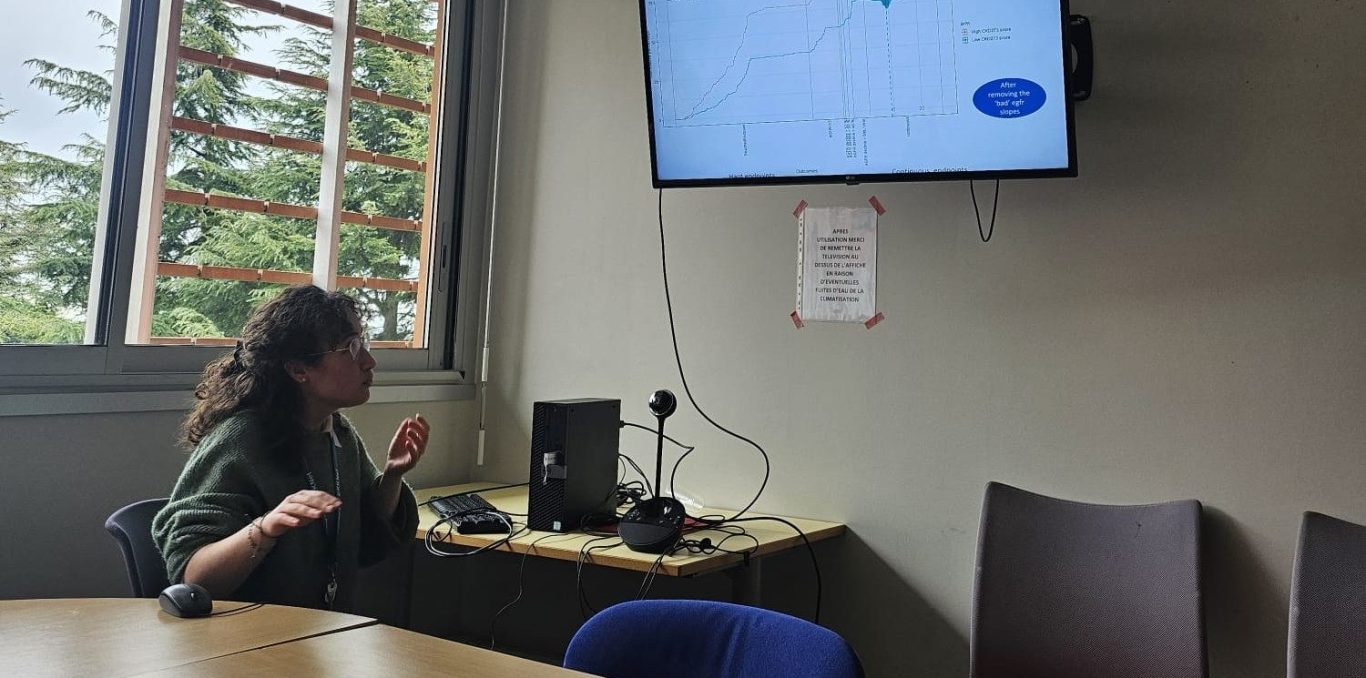
The accompanying photo shows Kleanthi presenting her work during one of the weekly meetings in the Renal Fibrosis lab, reflecting the collaborative and dynamic research environment in which her project is embedded.
Through her work, PICKED continues to advance innovative, non-invasive approaches aimed at improving risk prediction and personalised care in chronic kidney disease.
Bridging Patient Care and Molecular Insight: Ágota Nóra Kazup’s PhD Research within PICKED
10.02.2026
As part of the PICKED, Ágota Nóra Kazup is a PhD student hosted by Steno Diabetes Center Copenhagen (SDCC). Her research focuses on testing the feasibility of using urine proteomics to support treatment allocation in a clinical trial setting, with a particular emphasis on diabetes and related kidney and cardiovascular complications.
A Strong Patient-Facing Focus
Ágota’s day-to-day work combines clinical research with direct patient interaction. During clinical research visits, she meets study participants, explains the purpose and relevance of the research, and supports patients in understanding how the study relates to their health.
What motivates her most is this patient-facing aspect of her work, having meaningful conversations, addressing concerns, and supporting individuals as they navigate questions around kidney disease, diabetes, and cardiovascular risk.
Scientific Interests and Current Work
From a scientific perspective, Ágota is interested in how urinary proteomic classifiers can detect early molecular changes and improve risk stratification, particularly in the context of diabetes complications.
She is currently preparing her first scientific manuscript, which investigates how short-term SGLT2 inhibitor therapy influences urine proteomic classifier profiles. This work aims to better understand treatment effects at the molecular level and to explore how these insights could support more personalised therapeutic decisions.
Personalised Medicine in Practice
Within the PICKED project, Ágota is especially enthusiastic about the potential of urine proteomics to provide actionable insights for clinicians. By linking molecular data with clinical decision-making, her work contributes to the broader goal of strengthening personalised treatment strategies in chronic kidney disease and diabetes care.
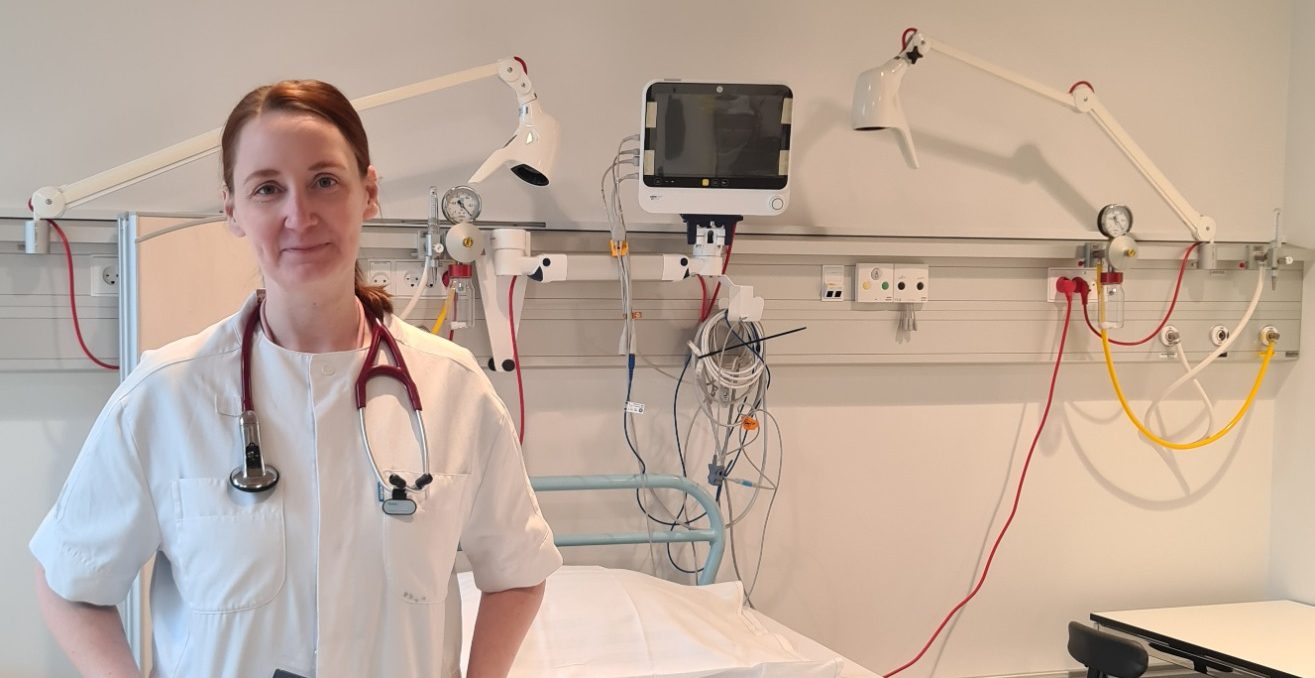
The accompanying photo was taken at the SDCC research facility during a clinical recruitment visit, reflecting the close integration of research and patient care that characterises her PhD work.
Modelling Biological Age Using Urinary Peptidomics: Sajjad Biglari’s PhD Research within PICKED
05.02.2026
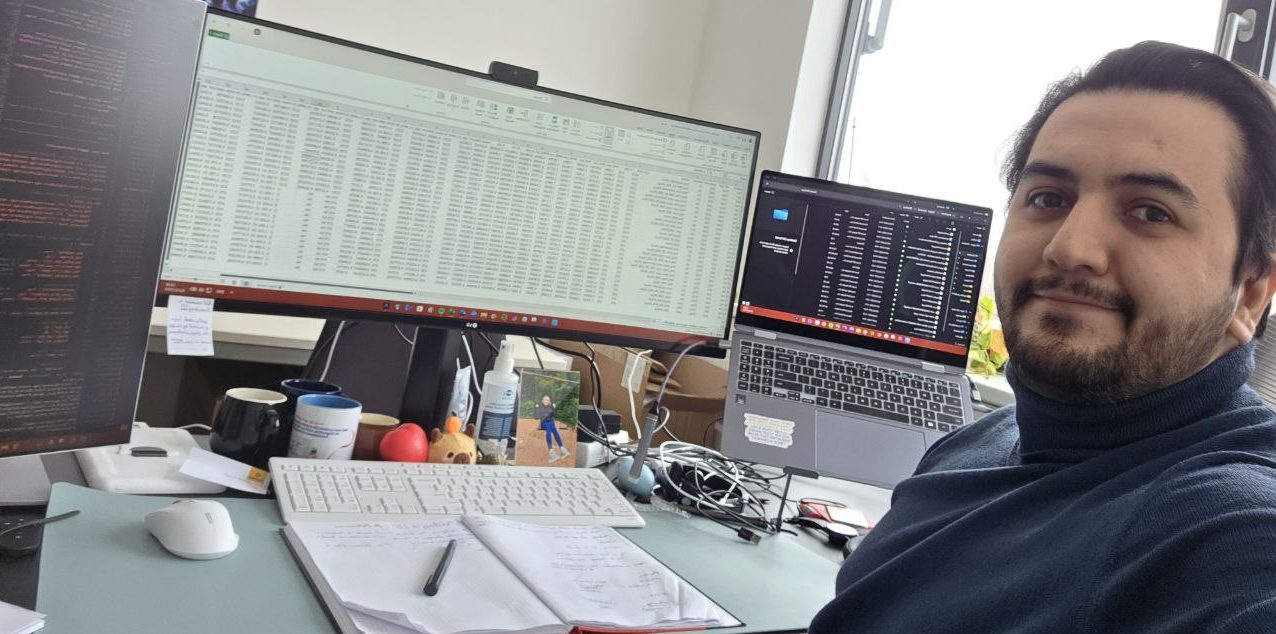
As part of the PICKED project, Sajjad Biglari is pursuing his PhD research on the development and validation of a biological age model derived from urinary peptidomics data at Mosaiques Diagnostics.
Research Aim
The central objective of Sajjad’s work is to move beyond chronological age and develop a molecular measure of ageing that better reflects an individual’s physiological state. Using capillary electrophoresis–mass spectrometry (CE-MS), his research translates complex urinary peptide patterns into a single, interpretable biological age estimate.
This approach aims to capture ageing-related processes that are directly linked to health outcomes, rather than relying solely on calendar age.
Clinical and Scientific Relevance
A key strength of this work lies in its direct translational potential. By linking biological age scores to outcomes such as mortality and age-related diseases, the model can support improved risk stratification and provide insights into disease susceptibility and progression.
An important aspect of the research is identifying which peptide signals drive the prediction, ensuring that the model is not only statistically robust but also biologically meaningful.
As Sajjad explains:
“What excites me most is how directly this can translate into risk stratification—linking the score to outcomes like mortality and age-related disease, and understanding which peptide signals actually drive the prediction.”
Current Work and Next Steps
Sajjad is currently focused on validating the biological age model across multiple external datasets, with the aim of strengthening its generalisability and robustness. In parallel, he is refining the scientific narrative around why urinary peptides represent a scalable and informative window into systemic ageing.
Long-Term Vision
The ultimate goal of this work is to develop a model that is not only accurate, but also deployable and scientifically defensible, capable of supporting future applications in personalised medicine, population studies, and risk prediction.
Through this research, the PICKED project continues to advance molecular approaches that bridge complex data and real-world clinical relevance.
Advancing Personalised Hemodiafiltration: Siavash SohanGir’s PhD Research within PICKED
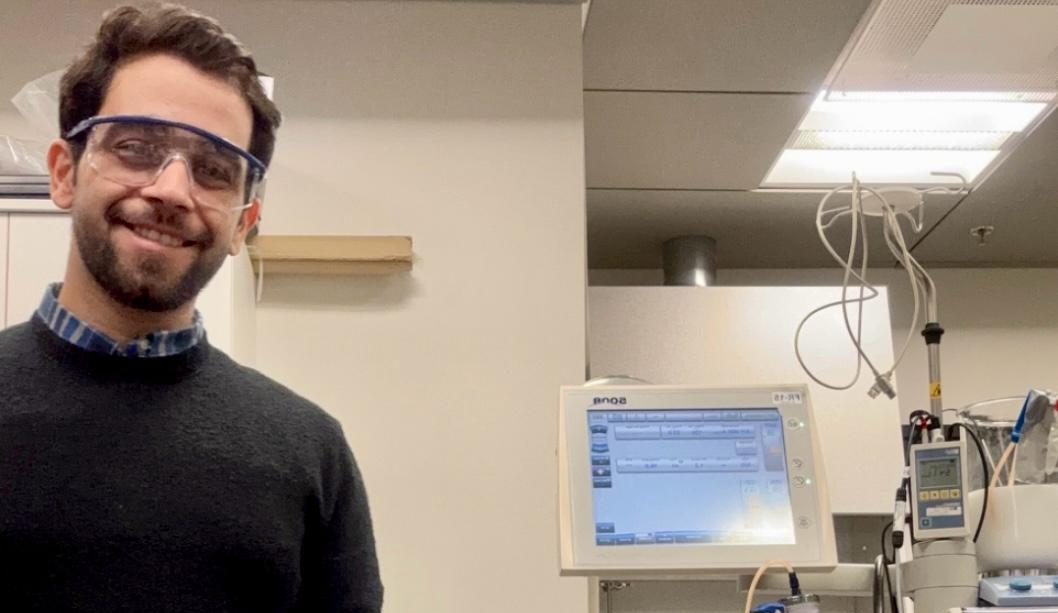
29.01.2026
Siavash SohanGir is pursuing his PhD at RD Néphrologie, focusing on the development of personalised convection strategies in hemodiafiltration (HDF).
Research Focus and Progress
Siavash’s work aims to optimise convection in HDF treatments, with the goal of improving treatment efficiency and enabling earlier detection of technical complications.
His first PhD publication compared different methods for evaluating critical ultrafiltration fluxes, a key parameter for achieving personalised convection and for the early identification of vascular access dysfunction.
Building on these findings, Siavash conducted a subsequent study on the automatic monitoring of blood recirculation during dialysis. This work has resulted in a second manuscript, which has been submitted and is currently under peer review.
Current and Upcoming Work
Siavash is currently conducting in vitro experiments and is preparing to investigate the impact of different convection settings during clinical hemodiafiltration sessions. These upcoming studies aim to generate results that can directly inform clinical practice and improve patient outcomes.
As Siavash notes:
“What excites me the most about this forthcoming study is its potential to deliver results that contribute to the improvement of human health.”
Secondment and Experimental Setup
The accompanying image show Siavash working with his experimental setup, where he is studying the use of a blood-mimicking fluid in combination with a UV-absorbent sensor for real-time monitoring of uric acid removal.
The photo was taken during his first secondment, carried out in collaboration with Optofluid Technologies in Tallinn, Estonia, highlighting the strong industry, academia collaboration fostered within the PICKED project.
PICKED Mid-Term Meeting in Athens: A Week of Science, Collaboration & Shared Vision

10.12.2025
From 1–5 December 2025, the PICKED consortium gathered in Athens for an inspiring week of scientific exchange, training, and strategic reflection. Despite arriving to heavy rain, Greece welcomed us with the same warmth, openness, and hospitality that defined the entire meeting, from the generous hosts at BRFAA to the incredible food and lively conversations that carried throughout the week.
This Mid-Term Meeting brought together our doctoral candidates, supervisors, industry partners, clinicians, ethicists, and the European Commission representatives for a concentrated programme of workshops, presentations, and consortium discussions.
A Week That Moved the Project Forward
Over five structured days, the programme combined hands-on training, scientific dialogue, and evaluation of the project’s progress:
🔬 OMICS Training at BRFAA
The week began with an advanced OMICS workshop hosted by the Biomedical Research Foundation of the Academy of Athens. Doctoral candidates explored tools and methods central to PICKED’s scientific objectives, gaining deeper insight into proteomics, peptidomics, and analytical workflows.
⚖️ Ethics & Health Economics
A dedicated training day focused on the ethical, societal, and economic dimensions of personalised kidney care — a core pillar of PICKED’s interdisciplinary approach.
🎓 Complementary Skills Development
Candidates strengthened their competencies in project management, scientific communication, and interdisciplinary teamwork — skills essential for emerging researchers.
🧑🔬 Mid-Term Review with the European Commission
We were honoured to welcome our EU Project Officer, who joined us in Athens to review the progress achieved since Month 1.
The review highlighted:
- Strong engagement across all work packages
- Excellent scientific and training achievements
- Clear consortium cohesion
- Well-managed implementation of secondments
- Impressive motivation and maturity of the doctoral candidates
We extend our sincere thanks to the European Commission for the constructive feedback and continued support.
A Memorable Gathering, Beyond the Programme
While intense and productive, the meeting was also marked by the sense of community that makes PICKED such a unique network.
Dinners in Athens, informal discussions over coffee, and moments of laughter between sessions all contributed to a shared feeling:
We are building something together, not only scientific outcomes, but an international community committed to advancing personalised medicine in chronic kidney disease.
Despite the rain, the spirit was bright, the atmosphere energising, and the engagement across partners outstanding.
Our Thanks
We warmly thank:
- BRFAA for hosting and coordinating the first part of the programme
- All speakers and trainers for their time and expertise
- The doctoral candidates, whose presentations and enthusiasm were truly inspiring
- Our Project Officer for visiting us and supporting our mission
- Every partner organisation for their ongoing commitment to the PICKED vision
The Athens meeting marks a significant milestone as we enter the second half of the project, a phase focused on deepening scientific analyses, publishing results, completing secondments, and bringing PICKED’s innovations closer to real-world impact.
We look forward to continuing this journey together.


.
Delta4 Featured in FFG Success Story: Advancing Personalised Medicine in Chronic Kidney Disease

08.11.2025
We are pleased to highlight a recent FFG Success Story featuring our consortium partner Delta4, showcasing their central role in driving personalised medicine forward within the PICKED Project – Personalized Medicine in Chronic Kidney Disease.
Chronic Kidney Disease: A Global Challenge
Chronic kidney disease (CKD) affects more than 850 million people worldwide, representing a major and growing medical and socio-economic burden. Despite this, CKD remains under-recognised compared to other chronic diseases such as diabetes or cardiovascular disorders. There is still an urgent need for earlier detection, accurate prediction of disease progression, and truly personalised treatment strategies.
This is where Delta4’s contribution within PICKED becomes essential.
The PICKED Project
PICKED is funded by the EU’s Marie Skłodowska-Curie Doctoral Networks (MSCA-DN) and focuses on training a new generation of interdisciplinary researchers. Ten doctoral candidates are being trained across Europe in biomedical sciences, clinical nephrology, bioinformatics, ethics, and regulatory frameworks.
The scientific work in PICKED is structured into five interconnected work packages:
Early detection of CKD in at-risk groups (WP1)
Development and validation of biomarker signatures for patients with congenital kidney diseases and those recovering from acute kidney injury.
Prediction of CKD progression (WP2)
Identification of multiparametric protein and peptide markers for personalised risk assessment in both adults and children.
Personalised pharmacotherapy (WP3)
Use of biomarker profiles to predict individual drug responses and support drug repurposing.
Personalised dialysis (WP4)
Development of innovative real-time monitoring technologies to adapt dialysis therapy to each patient’s metabolic profile.
Ethical, legal, and quality-of-life aspects (WP5)
Assessment of societal, regulatory, and ethical challenges in implementing personalised medicine in CKD.
Beyond scientific research, PICKED places strong emphasis on training and knowledge exchange, combining academic excellence with industry insights, international secondments, and courses in project management, entrepreneurship, and science communication.
Delta4’s Role
As Austria’s representative in the consortium, Delta4 contributes its expertise in Big Data analytics and computational modelling for drug development. Their research within PICKED focuses on understanding molecular processes involved in the transition from acute kidney injury to chronic kidney disease. Improved insights into this transition could lead to better prognostic tools and more effective therapeutic strategies.
The Value of European Collaboration
In the FFG profile, Delta4’s CEO Paul Perco highlights the unique opportunities created by EU-funded projects:
“An EU project like PICKED offers the unique opportunity to build a strong international network while training outstanding young researchers. The close collaboration between universities, clinics, and companies creates synergies that accelerate scientific innovation and facilitate the translation of new concepts into practice.”
Learn More
📖Delta4 Article:
https://delta4.ai/personalized-medicine/
📖 Read the full FFG Success Story (German):
https://www.ffg.at/success-stories/delta4
🎥 Watch the accompanying video interview:
https://www.youtube.com/watch?v=L-g6qu41THU
We congratulate Delta4 on this recognition and are proud to see PICKED highlighted as part of Austria’s innovation landscape in personalised medicine.
PICKED Doctoral Candidate Wins Best Oral Presentation at the 6th International Wrocław Scientific Meetings

11.11.2025
We are proud to share that PICKED Doctoral Candidate Sajjad Biglari (Mosaiques Diagnostics GmbH) received the Best Oral Presentation Award at the 6th International Wrocław Scientific Meetings held in Poland.
Sajjad presented his latest research findings on urinary peptidomic biomarkers and the role of dietary interventions in reducing vascular risk in Type 2 diabetes — work recently published in Diabetes Research and Clinical Practice (2025).
His presentation highlighted how urinary peptidomics can provide a powerful, non-invasive tool for understanding disease mechanisms and personalising treatment in chronic kidney disease and metabolic disorders.
The award recognises the high scientific quality and clinical relevance of his work, as well as his engaging presentation style and clarity in communicating complex molecular concepts.
Congratulations to Sajjad for this outstanding achievement — a great example of the scientific excellence and impact fostered within the PICKED project.
🎥 Watch the final minutes of Sajjad’s winning presentation.
Bioinformatics & Biostatistics Workshop (Vienna)
15–17 October 2025

21.10.2025
From 15–17 October 2025, doctoral candidates and supervisors from the PICKED consortium gathered in Vienna, Austria for a three-day Bioinformatics & Biostatistics Workshop hosted by Delta4 GmbH (with support from the Medical University of Vienna). The training focused on turning raw data into robust, interpretable results—bridging methods with day-to-day research needs in chronic kidney disease.
Workshop focus
- Study design & data quality: framing clinical and translational questions, sample size basics, bias and confounding, QC checklists.
- Statistical foundations: hypothesis testing, multiple testing control, effect sizes, and reproducibility.
- Hands-on analysis: practical sessions in R/Python for data wrangling, visualization, and reporting.
- Omics pipelines: from preprocessing (normalization, batch effects) to differential analysis and pathway/functional enrichment.
- Predictive modelling: cross-validation, feature selection, and model performance metrics applied to CKD use-cases.
- Reporting & FAIR practice: code notebooks, version control, and transparent research workflows.
What participants worked on
- Built end-to-end mini-pipelines (import → QC → analysis → visualization → report).
- Compared statistical approaches on real and synthetic datasets to understand trade-offs.
- Translated outputs into clinically meaningful figures and summary tables suitable for manuscripts and consortium reports.
Outcomes
- A shared set of reusable templates (scripts/notebooks) for common analyses.
- Clear guidance on when to use which statistical test or modelling approach.
- Stronger links between PICKED partners and Delta4’s bioinformatics team for follow-up troubleshooting and secondments.
Acknowledgements
Many thanks to Delta4 for hosting and to all instructors and participants for their engagement over the three days. The workshop underscored the consortium’s commitment to rigorous, reproducible analytics and to translating data into patient-relevant insights.


PICKED Consortium Meeting – Athens, 1–5 December 2025

16.10.2025
PICKED Consortium Meeting – Athens, 1–5 December 2025
The PICKED consortium will meet from 1–5 December 2025 in Athens, Greece, for a week dedicated to science, collaboration, and reflection on the project’s first half.
Hosted by the Biomedical Research Foundation of the Academy of Athens (BRFAA), this meeting will bring together doctoral candidates, supervisors, and experts from across Europe for an engaging mix of workshops, training sessions, and the formal midterm review.
A Week of Science and Collaboration
Over five days, participants will have the opportunity to:
Take part in an advanced OMICS workshop focused on translating molecular data into clinical insights.
Attend a dedicated Ethics and Health Economics workshop exploring the societal and regulatory dimensions of personalised medicine.
Join the Complementary Skills Course 2, providing training in clinical trials, teaching, and communication.
Participate in the Midterm Review with the European Research Executive Agency (REA), including presentations by all PICKED doctoral candidates on their research progress and training experiences.
Strengthening the PICKED Network
The Athens meeting marks a major milestone in the project, offering space to reflect on achievements so far and to shape the next phase of PICKED’s journey. It will also serve as an important networking opportunity, fostering stronger connections between researchers, partners, and industry collaborators.
Together, the PICKED consortium continues to advance personalised medicine in chronic kidney disease, combining scientific excellence with collaboration and innovation.
📍 Locations:
Biomedical Research Foundation, Academy of Athens – OMICS Workshop
Stratos Vassilikos Hotel, Athens – Ethics Workshop, Complementary Skills Course 2, and Midterm Review
🗓️ Dates: 1–5 December 2025
📅 Agenda
Training Session: Interpreting OMICS Data in the Context of Biology

01.10.2025
On 30 September 2025, doctoral candidates and researchers from three MSCA Doctoral Networks — PICKED, PROMOTE, and DisCo-I — came together for a joint training session on interpreting OMICS datasets.
The session was initiated and organized by doctoral candidates from the DisCo-I network, with contributions from experts across all three projects. Its goal was to bridge the gap between generating large-scale OMICS data (transcriptomics, proteomics, peptidomics) and interpreting them in a meaningful biological and clinical context.
Programme Highlights
Paul Perco (Delta4, Austria)
Useful Resources for Interpreting OMICS Data in the Molecular Biological Context
Makis Zoidakis (National and Kapodistrian University of Athens / BRFAA, Greece)
Elucidation of Molecular Features Associated with Progression of Monoclonal Gammopathies to Multiple Myeloma
Both presentations were followed by lively discussions, offering participants practical resources and fresh perspectives on how to make sense of complex datasets in biological and clinical research.
Collaboration in Action
The training session highlighted the collaborative spirit of the MSCA Doctoral Networks, which bring together early-stage researchers, supervisors, and experts across Europe. Events like this strengthen professional development, create synergies, and provide valuable insights into the field of OMICS and systems biology.
We sincerely thank the DisCo-I doctoral candidates for taking the lead in organizing this initiative, and all contributors from PICKED, PROMOTE, and DisCo-I for making it a success.
Delta4 Featured by FFG: Building International Networks and Driving Innovation in Kidney Research

24.09.2025
We are pleased to share that Paul Perco, Computational Biology Lead of Delta4 GmbH, was recently featured in the FFG Forschung Wirkt series. In this interview, Paul highlights how the company’s innovative approach to drug repositioning is shaping the future of precision medicine.
Drug repositioning — identifying new therapeutic uses for existing drug compounds — allows Delta4 to model disease processes more effectively, providing a foundation for more accurate diagnoses and prognoses.
As a partner in the PICKED project, Delta4 focuses on studying the processes that influence the transition from acute kidney injury (AKI) to chronic kidney disease (CKD). This research contributes to the development of personalised strategies for earlier detection and more effective treatment of CKD, ultimately improving patient outcomes.
Paul emphasized the importance of international collaboration and training the next generation of researchers through Horizon Europe’s Marie Skłodowska-Curie Actions Doctoral Networks.
This work is made possible thanks to the support of Horizon Europe and the guidance of FFG – the Austrian Research Promotion Agency, which provides expertise from the application phase through project implementation.
Science, Collaboration, and Perseverance: PICKED Featured in Inserm Podcast

23.09.2025
On the occasion of World Health Day (7 April), our coordinators Joost Schanstra and Julie Klein, both Research Directors at Inserm Toulouse, shared their vision of how research can transform kidney care in an interview produced by Inserm.
They reminded us that kidney disease affects an estimated 10% of the global population, with serious complications — particularly cardiovascular — that often go undetected until late stages. While treatments and detection methods have improved in recent years, they remain largely non-personalised.
That is where PICKED – Personalized Medicine in Chronic Kidney Disease comes in.
“Our project aims to better adapt treatments to each patient and to train young researchers in these future practices.”
— Joost Schanstra, Inserm Toulouse
In the podcast, Joost and Julie reflect on:
The challenges of developing personalised approaches for kidney disease detection and treatment.
The importance of collaboration across Europe, bringing together 10 beneficiaries and 8 associated partners under Horizon Europe.
The role of the Marie Skłodowska-Curie Actions Doctoral Networks (MSCA-DN) in training the next generation of kidney researchers.
Their personal insights into the perseverance and teamwork needed to advance science with impact.
🎧 Listen to the full interview here
We thank Inserm and the production team — Cindy Salvador, Dominique Lautier, Muriel Bouas and MindProd — for their support in capturing this story.
PICKED Doctoral Candidate Presents at EACME Conference in Zurich

11-13.09.2025
We are delighted to share that Jeremy Power, Doctoral Candidate in the PICKED project, presented his work at the European Association of Centres of Medical Ethics (EACME) conference held in Zurich.
Jeremy presented a poster entitled “Getting personal: Ethical issues of personalised medicine in chronic kidney disease”, which summarized the core themes of his PhD project. The poster highlighted the ethical questions that arise when applying personalised medicine approaches to chronic kidney disease, ranging from data privacy and equity of access to the role of patient participation in shaping care.
This year’s EACME conference was held under the theme:
“Responsible Innovation: Ethical Perspectives on Health Care Research and Practice.”
Jeremy reflected on the experience:
“It was fantastic to meet researchers from across the world and to discuss projects that represent a wide range of bioethical issues. I particularly enjoyed learning about the ethics of digital twins, public health ethics around screening programs, and reproductive ethics. These discussions gave me valuable connections to the PICKED project and the future of care for chronic kidney disease.”
The conference also offered a unique opportunity to network with fellow PhD students, explore potential collaborations, and reflect on the responsibilities of researchers in ensuring patient perspectives are integrated into innovation.
Jeremy concluded:
“The conference left me inspired and with a lot to read and follow up on. I look forward to continuing these discussions at next year’s EACME meeting in Leuven.”
We congratulate Jeremy on this important milestone and thank EACME for hosting such an engaging and thought-provoking event.
📍 Conference: EACME Annual Conference
📅 Location: Zurich, Switzerland
🎓 PICKED Representation: Jeremy Power (DC, Université Paul Sabatier Toulouse III / CERPOP)
PICKED & DISCO-I Joint Meeting in Toulouse – Driving Innovation in Kidney Research
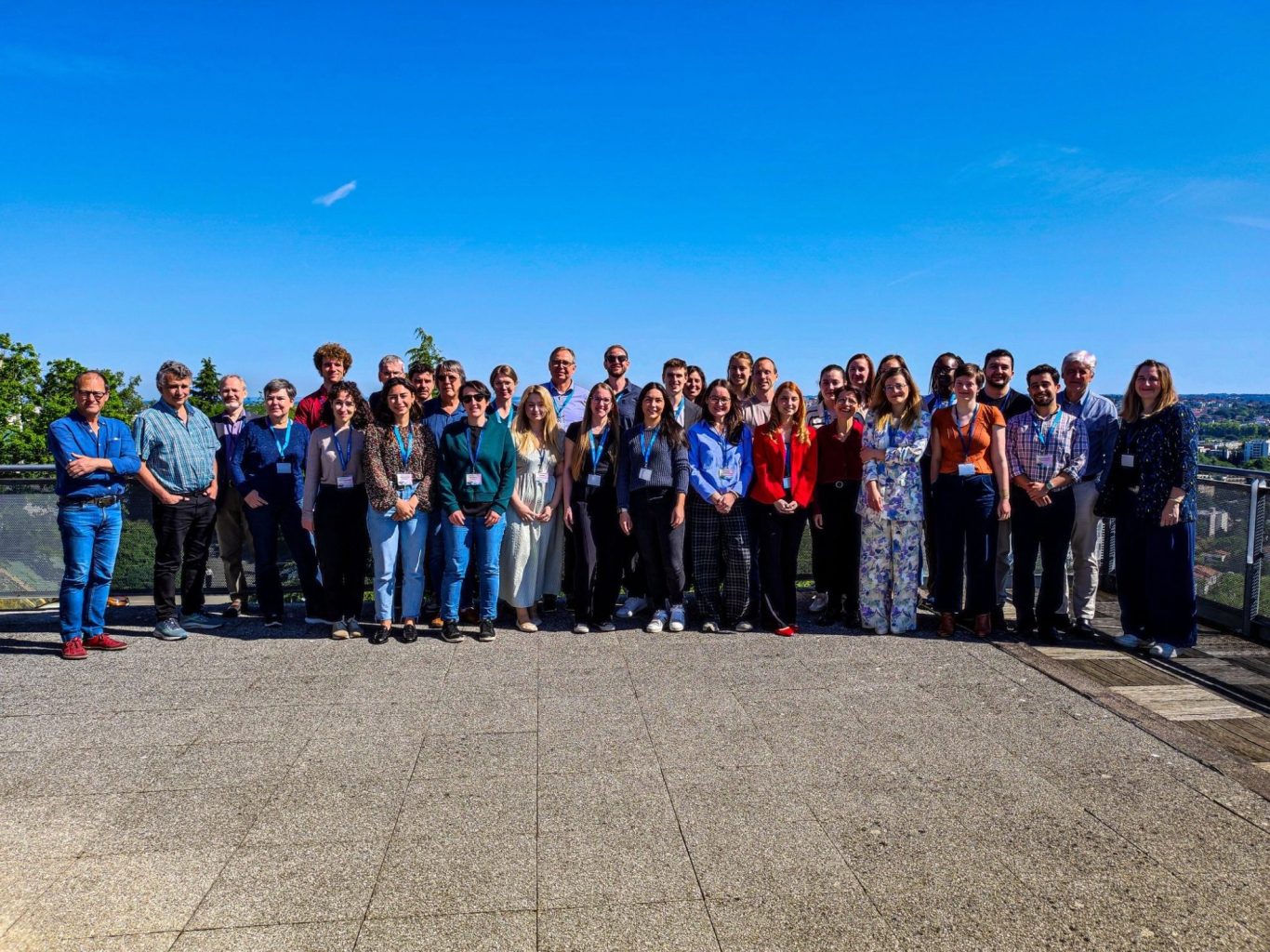
16.05.2025
Date: May 13–15, 2025
Location: Institut des Maladies Métaboliques et Cardiovasculaires (I2MC), Toulouse, France
From May 13th to 15th, the vibrant city of Toulouse became the center of scientific collaboration as the PICKED and DISCO-I projects held their Joint Meeting—a three-day event dedicated to advancing research in chronic and rare kidney diseases through multidisciplinary and cross-sectoral exchange.
🧠 A Platform for Collaborative Learning
The meeting brought together:
Doctoral Candidates from both MSCA-funded networks
Leading researchers and clinicians from across Europe
Patient advocates, who shared invaluable perspectives on living with kidney disease
With interactive workshops, focused sessions, and scientific presentations, the agenda fostered a rich environment for knowledge sharing and strategic networking.
🔍 Scientific & Educational Highlights
Key topics covered during the meeting included:
Innovations in omics and their role in biomarker discovery and drug repositioning
Chronic and acute kidney disease: clinical challenges and emerging research
Patient perspectives, emphasizing the human side of scientific work
Ethics, integrity, and open science, fostering responsible research practices
Skills development workshops: from scientific writing to personal SWOT analysis
🎤 Distinguished Speakers
The event featured presentations by esteemed speakers such as:
Prof. Raymond Vanholder – Public health in kidney care
Prof. Franz Schaefer – Pediatric nephrology and rare diseases
Dr. Emmanuelle Rial-Sebbag – Research ethics and gender perspectives
Dr. Emine Guler Celik – Communicating complex science to the public
Prof. Alberto Ortiz and Prof. Harald Mischak – Omics and translational research leaders
🎓 Empowering Early-Stage Researchers
A central goal of the meeting was to support the professional development of Doctoral Candidates (DCs). Through dedicated presentation slots, career planning sessions, and peer exchange, DCs showcased their projects and honed skills essential for a successful research career.
A dedicated session, “Our Tips for a Successful PhD Journey,” provided peer-to-peer insights and opened a space for dialogue among DCs across both projects.
🍽️ Community and Culture
Beyond the science, participants enjoyed dinners at Le Point d’Ogre and L’esprit Toulousain, providing informal spaces to connect and unwind. The energy, curiosity, and camaraderie throughout the event reflected the strength and cohesion of the PICKED and DISCO-I networks.
The PICKED & DISCO-I Joint Meeting – Advancing Precision in Kidney Research
06.05.2025
We are excited to announce the upcoming PICKED & DISCO-I Joint Meeting, taking place from May 13–15, 2025, at the Institut des Maladies Métaboliques et Cardiovasculaires (I2MC) in Toulouse, France.
This three-day event brings together doctoral candidates, world-leading nephrologists, data scientists, and industry experts to explore the cutting edge of chronic kidney disease (CKD) research and omics-based innovation. Designed to foster interdisciplinary collaboration, the meeting will offer a unique mix of scientific workshops, soft skills training, strategic planning, and doctoral presentations.
🗓️ Key Highlights
DC Presentations & Supervisory Board Sessions (May 13): Our Doctoral Candidates will showcase their research progress. In parallel, the Supervisory Board will convene to evaluate upcoming deliverables and project milestones.
Scientific Workshops & Patient Perspectives: Sessions will address topics such as kidney disease prevention, acute and chronic conditions, and rare kidney diseases, with contributions from renowned clinicians and patient advocates like Uwe Korst and Peter Rossing.
Omics Integration & Innovation (May 14): Focused workshops on metagenomics, bioinformatics, and omics data integration will explore how to drive biomarker discovery and therapeutic development.
Complementary Skills Training: From scientific communication and research ethics to gender perspectives and career planning, we aim to equip young researchers with a well-rounded skillset.
DISCO-I Network Synergy (May 15): DISCO-I Doctoral Candidates will present their work and share tips for successful PhD journeys under the Marie Skłodowska-Curie Actions framework.
📍 Location
Institut des Maladies Métaboliques et Cardiovasculaires (I2MC)
Salle Hervé Paris
1 Avenue Jean Poulhès
31432 Toulouse, France
🤝 A Shared Vision
The joint meeting between PICKED (HORIZON-MSCA-2023-DN-01, GA 101168626) and DISCO-I (HORIZON-MSCA-2021-DN-ID, GA 101072828) exemplifies the spirit of European collaboration in personalized medicine and nephrology. By uniting forces, we accelerate scientific excellence and create stronger bridges between academia, clinics, and industry.
💬 Stay Connected
We’ll be sharing highlights and insights from the meeting on our official channels.
📲 Follow us on LinkedIn, Bluesky and X (formerly Twitter) for updates.
🧪 Together, we drive innovation in kidney research.
PICKED Celebrates World Kidney Day at Hospital Rangueil, Toulouse
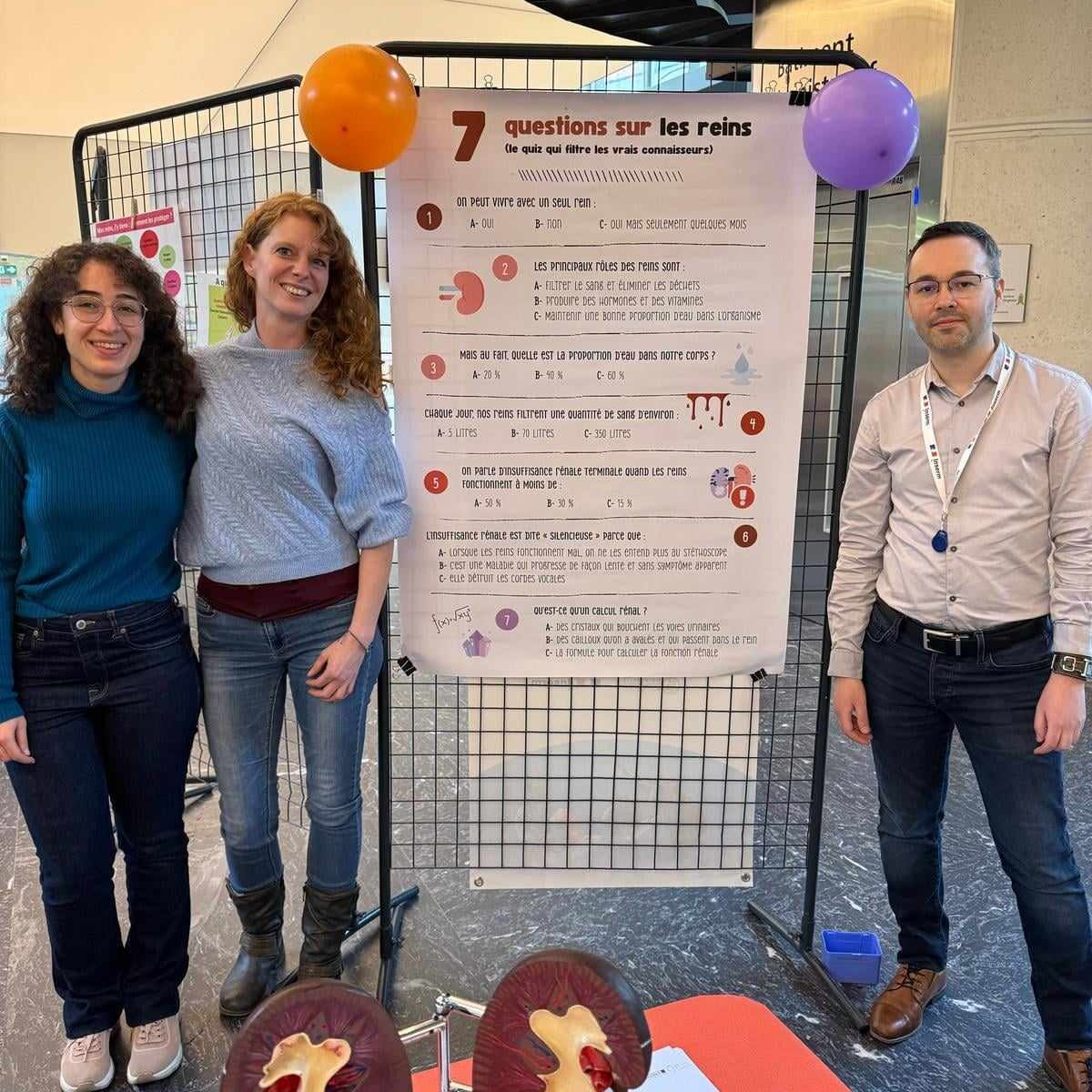
14.03.2025
On the occasion of World Kidney Day, the RF lab team at Hospital Rangueil, Toulouse, actively engaged the public in raising awareness about kidney health. The event aimed at educating attendees on kidney functions, risks of kidney diseases, preventive measures, and current treatment methods.
During this educational event, participants had the opportunity to interact directly with lab members, gaining valuable insights into kidney health. Topics covered included kidney diseases, kidney stones, and general kidney functionality. Additionally, an interactive quiz tested attendees' knowledge about kidneys. Can you answer these correctly?
Kidney Health Quiz:
1. Are we able to live with only one kidney?
a) Yes
b) No
c) Yes, but only for a few months
2. The principal roles of the kidney are:
a) Filter the blood and eliminate waste.
b) Produce hormones and vitamins.
c) Maintain a good proportion of water in the organism.
3. What is the water proportion in our bodies?
a) 20%
b) 40%
c) 60%
4. Everyday our kidneys filter a quantity of blood of approximately:
a) 5 liters
b) 70 liters
c) 350 liters
5. End-stage kidney disease is defined when kidneys work less than:
a) 50%
b) 30%
c) 15%
6. Renal failure is called ‘silent’ because:
a) You can’t hear kidneys with a stethoscope when they malfunction.
b) It progresses slowly and without apparent symptoms.
c) It affects vocal cords.
7. What is a kidney stone?
a) Crystals that block urinary tracts.
b) Stones consumed and passed towards the kidney.
c) The formula to calculate renal function.
Think you know the answers? Write us to find out: projectpicked@proton.me
Let's keep spreading awareness and knowledge about kidney health together!
World Kidney Day: Raising Awareness & Advancing Personalized Medicine in CKD
13.03.2025
Understanding the Burden of Kidney Disease
Kidney disease is a global health crisis affecting over 850 million people worldwide. That’s twice the number of individuals living with diabetes and more than 20 times those affected by HIV/AIDS. Despite its prevalence, awareness about kidney health remains critically low, leading to late diagnoses and limited treatment options for many patients.
At PICKED (Personalized Medicine in Chronic Kidney Disease), we recognize the urgent need for better prevention, early detection, and innovative treatments to improve outcomes for those living with chronic kidney disease (CKD).
How PICKED is Driving Innovation
Advancing Personalized Medicine
PICKED is a Marie Skłodowska-Curie Doctoral Network committed to training the next generation of kidney researchers. Our goal is to develop precision medicine approaches that improve early detection, disease progression monitoring, and treatment strategies for CKD.
Cutting-Edge Research
Through biomarker discovery, bioinformatics, and patient-centered research, our international team of 10 beneficiaries and 10 associated partners across Europe is working to revolutionize kidney care.
Collaborative Efforts for a Healthier Future
By combining expertise from nephrology, molecular biology, and healthcare innovation, we strive to bridge the gap between research and clinical application, ensuring that patients receive the most effective, individualized treatments possible.
What You Can Do This World Kidney Day
- Educate yourself – Understand the risk factors and symptoms of kidney disease.
- Advocate for change – Support policies that prioritize kidney disease research and treatment access.
- Spread awareness – Share this article and engage in conversations about kidney health.
Kidney health is vital to overall well-being, yet it often doesn’t receive the attention it deserves. Let’s work together to change that!
Join us in raising awareness for kidney disease and supporting personalized medicine in nephrology.
PICKED & DISCO-I Joint Meeting in Toulouse: Advancing Kidney Research Together

Gaspard Delaruelle
10.03.2025
We are pleased to announce the upcoming PICKED & DISCO-I Joint Meeting, set to take place from May 13–15, 2025, at the Institut des Maladies Métaboliques et Cardiovasculaires (I2MC) in Toulouse, France. This three-day event will bring together doctoral candidates, leading experts, and distinguished speakers from across Europe to foster collaboration, share knowledge, and advance research in kidney disease and innovative omics technologies.
A Platform for Scientific Exchange and Innovation
The PICKED (Personalized Medicine in Chronic Kidney Disease) and DISCO-I (HORIZON-MSCA-2021-DN-ID) projects are committed to training a new generation of researchers in nephrology and omics-based approaches. This joint meeting will serve as a key milestone in strengthening interdisciplinary research and providing participants with valuable skills in personalized medicine.
Agenda Highlights
The event features an engaging program, including:
🔹 Doctoral Candidate Presentations: An opportunity for PICKED and DISCO-I researchers to showcase their work and receive feedback from experts.
🔹 Workshops on Kidney Disease & Omics Technologies: Covering topics such as renal replacement therapy, metagenomics, biomarker discovery, and integrating omics data for drug discovery.
🔹 Clinical and Translational Research Discussions: Addressing acute and chronic kidney disease, pediatric and rare kidney diseases, and patient-centered research.
🔹 Professional Development & Ethics Training: Covering research ethics, effective scientific communication, and career planning.
Renowned speakers, including Julie Klein, Franz Schaefer, Raymond Vanholder, Peter Rossing, and Harald Mischak, will contribute their expertise, ensuring a dynamic and thought-provoking program.
Strengthening Research Networks
Beyond the scientific sessions, the meeting will facilitate networking and collaboration among participants. Attendees will have the chance to engage in discussions, share best practices, and explore opportunities for future research partnerships.
Harnessing AI for Research Productivity: Key Takeaways from Our Online Seminar

07.03.2025
The integration of artificial intelligence into research is revolutionizing the way scholars discover, analyze, and present information. On February 21, 2025, we had the pleasure of hosting an insightful online seminar titled "(Ethical) AI & Productivity Solutions for Research." Led by Sajjad Biglari, a PICKED Doctoral Candidate, the session explored the growing role of AI in research and provided participants with a toolkit of powerful digital resources.
With the ever-increasing volume of academic literature and data-driven research, AI offers innovative ways to enhance productivity, streamline workflows, and improve the overall quality of scholarly work. However, these benefits come with important ethical considerations, particularly regarding data integrity, bias, and responsible AI usage. The seminar aimed to strike a balance between technological advancement and research ethics, offering practical insights to attendees.
AI in Research: Transforming Productivity
During the session, participants were introduced to a structured research workflow where AI can play a pivotal role. From literature review to data extraction, analysis, and writing, AI-powered tools can significantly reduce time spent on repetitive tasks, allowing researchers to focus on critical thinking and innovation.
From Discovery to Writing: A Smarter Research Process
One of the key takeaways was how AI can support researchers across different stages of their work:
Literature Review & Understanding Connections: Tools like Elicit, Consensus, Afforai, STORM, and SCISPACE help researchers find and summarize relevant academic papers quickly, reducing the burden of sifting through countless publications manually.
Identifying Related Research: AI-powered platforms such as Connected Papers, Research Rabbit, Litmaps, and scite.ai enable researchers to explore how different studies interconnect, offering a visual map of relevant literature.
Data Extraction & Summarization: AI models like Mapify, NotebookLM, and ChatGPT’s AutoExpert Academic assist in summarizing complex papers, making it easier to extract key findings and insights.
Data Analysis & Visualization: Research often involves working with large datasets, and AI tools such as Julius help analyze and visualize data effectively, leading to more accurate and compelling presentations.
Writing, Citing, and Proofreading: Writing assistance tools like Jenni.ai and SCISPACE offer real-time suggestions to improve clarity and coherence in academic papers.
Beyond AI, the session also highlighted traditional research tools that continue to be invaluable, such as Zotero for reference management, Notion and Obsidian for note-taking, BioRender for scientific illustrations, and TERA tools for systematic reviews.
Ethical AI Use in Research: The Responsibility of Scholars
While AI provides immense benefits, it is not without its challenges. A key discussion point was the ethical considerations researchers must take into account when integrating AI into their workflow. As AI-generated content becomes more sophisticated, issues such as data bias, misinterpretation of results, and the potential for AI-generated misinformation require careful oversight.
The seminar also explored the issue of AI-generated text detection, referencing recent studies on how AI content is often misidentified by detection tools. Researchers were encouraged to use AI responsibly, ensuring proper citation of AI-generated insights and maintaining transparency in their methodologies.
Further Exploration
The seminar provided an engaging discussion on the future of AI in research, leaving attendees with valuable insights and tools to enhance their productivity. As AI continues to evolve, embracing it thoughtfully and ethically will be key to ensuring its positive impact on academia.
For updates on future events, workshops, and advancements in research, stay connected with our network!
Report: EP PerMed hosts first conference on personalised medicine research
(c) Detlef Eden
24.02.2025 by Jeremy Power
Last week, the European Partnership for Personalised Medicine (EP PerMed)hosted their first conference on personalised medicine research in Berlin. It was an ideal setting for experts to share their current research and discuss the value of personalised medicine in a changing global healthcare system. It was also an opportunity for the coordinator and project leads of EP PerMed to present the mission and objectives of one of Europe’s leading partnerships for PM.
EP PerMed continues the work of ERA PerMed (2017–2023) as a coordinating platform to align research and funding for personalised medicine research projects and is supported by national and regional funding agencies and the European Commission.
The conference held a number of workshops and keynote speakers from different disciplines and research groups. The sessions included discussions on personalised prevention of at-risk patients, the use of artificial intelligence in digital twins and clinical consultations, and advancements in biomarker-driven treatment. There was an important session on personalised medicine in paediatric nephrotic syndrome and the use of -omics technology to stratify paediatric disease to allow for targeted treatments. The discussion of the scientific and implementation techniques of these projects offered valuable insights for similar applications in the PICKED project.
During the presentations and debates, there were repeated concerns that current data regulations cause delays in research projects, especially when working with international cohorts. Many participants called for less confusing regulatory pathways and a harmonised legal landscape. In addition, researchers shared their struggles of implementing basic research into the clinic. For example, there were concerns that the clinical uptake of personalised medicine innovations is slow and variable across EU member states. This could be partly due to a lack of interest to pursue the implementation of existing innovations, as this part of the research process is often more difficult and less financially feasible. Thus, there was a call for more research protocols to include implementation methods. Some participants suggested that EP PerMed extend funding periods to ensure that innovations are funded from inception to clinical use.
These concerns of data regulation and implementation are nothing new in the field of personalised medicine. Indeed, neither is the debate of whether ethics are a help or a hinderance to biomedical research. However, it was interesting to reflect on the absence of ethical reflection on these topics. Bioethical guidance plays an essential role in ensuring that the rights and needs of patients are protected while data sharing practices are streamlined. Bioethics should be considered as a means to improve the efficiency of implementation of personalised medicine, rather than being seen as frustrating “red tape” that restricts it. It is an opportunity to support good research by continuously involving alternative perspectives, making biomedical research more robust and aligned with patient needs. This readies research for its intended clinical purpose and may increase its uptake by healthcare professionals.
To conclude, the conference allowed for new collaborations with young and experienced researchers across the world. These connections are invaluable to understand the research process from different disciplines, to engage with the specific challenges of personalised medicine research and to realise the goals of improving the health and wellbeing of patients.
I am very grateful to EP PerMed for organising the conference and to the PICKED project for the opportunity to attend the conference, and I hope to bring what I have learnt into my research and to the PICKED team.
New PICKED Project Publication on Computational Drug Repositioning!
17.02.2025
We are thrilled to announce a new PICKED project publication, exploring the potential of computational drug repositioning in tackling cardiorenal disease!
The search for new therapeutic uses of existing drugs has gained increasing momentum, offering a promising pathway to accelerate drug discovery and bring innovative treatments to patients faster. This article highlights cutting-edge bioinformatics, omics data integration, and network-based modeling approaches to identify novel therapeutic opportunities.
Despite significant progress, challenges remain in translating computational findings into real-world clinical applications. The study proposes targeted strategies to overcome these barriers, ensuring that repositioned drugs reach patients in need.
🔗 Read the full article here: DOI: 10.1002/pmic.202400109
This publication is another milestone for PICKED, reinforcing our mission to drive translational research, precision medicine, and clinical innovation. Stay tuned for more groundbreaking research!
Second PICKED Project publication on Clinical Proteomics!
11.02.2025
We are excited to share the second publication supported by the PICKED project, focusing on the evolution and challenges of clinical proteomics in healthcare!
With over 40,000 scientific publications, the field has seen significant progress, yet clinical application remains limited. This article critically examines the barriers preventing proteomics from translating into routine patient care and emphasizes the need for a patient-centric approach. We propose concrete solutions to align research efforts with clinical utility, ensuring that proteomics delivers on its promise to improve disease management and treatment.
🔗 Read the full article here: DOI: 10.1002/pmic.202400346
This publication marks another important milestone for PICKED, strengthening our mission to drive translational research, personalized medicine, and real-world healthcare advancements. Stay tuned for more impactful research!
We are excited to share the first publication from the PICKED project, authored by our colleagues in Madrid!
03.02.2025
The article, published in PubMed, explores the potential of Glucagon-Like Peptide-1 Receptor Agonists (GLP-1 RAs) as transformative agents in the management of chronic kidney disease (CKD), type 2 diabetes (T2DM), obesity, and cardiovascular disease (CVD). These medications, including liraglutide, semaglutide, and tirzepatide, have shown significant benefits in metabolic control, weight reduction, and cardiovascular protection, making them an important consideration for nephrologists.
🔗 Read the full article here: https://pubmed.ncbi.nlm.nih.gov/39583142/
This marks an exciting milestone for the PICKED project, contributing valuable insights to the intersection of nephrology, metabolic health, and personalized medicine. Stay tuned for more publications to come!
PICKED Kick-off
18.10.2024
We just wrapped up a fantastic virtual kick-off meeting for the PICKED project! By hosting it online, we’re not only bringing our team together from across Europe but also reducing our carbon footprint. We’re excited about the journey ahead and will keep you updated on our progress. Stay tuned for more developments in personalized care and collaborative research!